
 元のコンテンツは英語で書かれています。翻訳されたコンテンツは自動化ツールによって生成された場合があるため、正確ではないことがあります。英語版と日本語版との間に差異がある場合、英語版が優先されます。
Pax Dollar (USDP): Your Guide to This USD-Backed Stablecoin in 2026


Have you ever watched the crypto market swing wildly and wished for something steady to hold onto? That’s where stablecoins like Pax Dollar come in. As a seasoned crypto trader who’s navigated through bull runs and bear markets since 2018, I’ve seen how assets like USDP provide that much-needed anchor. Launched by Paxos in 2018, Pax Dollar—also known as USDP—is designed to mirror the value of the U.S. dollar exactly, making it a go-to for hedging against volatility. According to CoinMarketCap data extracted on January 1, 2026, USDP holds a market cap of $1,587,696,917 USD and ranks #45 among cryptocurrencies, proving its growing role in the space. In this guide, we’ll break down what makes Pax Dollar tick, from its backing to price stability, all based on reliable sources like CoinMarketCap.
What Is Pax Dollar and How Does It Fit in the Crypto World?
Pax Dollar, often searched as “pax dollar” or “what is pax dollar,” is essentially a digital version of the U.S. dollar living on the blockchain. Created by Paxos Trust Company, a regulated financial institution, USDP is a stablecoin that maintains a 1:1 peg with the USD. This means each token is worth exactly one dollar, give or take tiny fluctuations due to market dynamics. Unlike volatile coins like Bitcoin, which can jump or crash based on news or trends, Pax Dollar stays consistent, acting as a bridge between traditional finance and crypto.
What sets Pax Dollar apart is its foundation on the Ethereum blockchain as an ERC-20 token. This makes it easy to use in decentralized finance, or DeFi, where you can lend, borrow, or trade it without banks getting in the way. For beginners, think of it as cash in your digital wallet—reliable for everyday transactions or as a safe haven during market dips. Paxos launched it to solve real problems, like slow cross-border payments, and it’s gained traction among traders who need stability. As crypto researcher Jameson Lopp noted in a 2025 Coindesk interview, “Stablecoins like USDP are the unsung heroes keeping the DeFi ecosystem afloat.”
In terms of adoption, Pax Dollar has seen steady growth. By 2026, its circulating supply stands at 1,587,696,917 USDP, per CoinMarketCap, reflecting increased demand from institutional investors. If you’re new to crypto, starting with something like pax dollar crypto can build confidence before diving into riskier assets.
Is Pax Dollar Backed by Real Assets and Is It Safe?
One common question is “is pax dollar backed by usd” or “is pax dollar legit.” Absolutely—each USDP is fully backed by U.S. dollar reserves held in segregated accounts at U.S. banks. Paxos, regulated by the New York State Department of Financial Services (NYDFS), ensures this through strict oversight. They publish monthly attestation reports from third-party auditors, confirming the reserves match the circulating supply. This transparency is key; for instance, a 2025 audit by WithumSmith+Brown verified that reserves exceeded issued tokens by a small margin for added security.
Safety-wise, Pax Dollar scores high. As a trust company, Paxos keeps user assets separate from company funds, protecting them in case of bankruptcy— a feature highlighted in their whitepaper. Compared to unregulated stablecoins, this regulation adds trustworthiness. Crypto analyst Andreas Antonopoulos praised this in a recent podcast, saying, “Paxos’ model sets a standard for how stablecoins should handle reserves, reducing risks seen in past scandals.” For users worried about “is pax dollar safe,” the combination of audits, regulation, and blockchain immutability makes it one of the more secure options. Real-world cases, like its use in remittance services during the 2024 economic turbulence, show how it helped transfer value without the fees of traditional wires.
Pax Dollar Price Analysis: History, Trends, and 2026 Predictions
When people search for “pax dollar price” or “pax dollar price prediction,” they’re often relieved to find it’s not about wild swings. As of January 1, 2026, the current price is $1.00 USD, with a 24-hour change of just -0.00%, according to CoinMarketCap. The 24-hour trading volume is a robust $281,387,133 USD, indicating strong liquidity even in a mature market. Historically, USDP has maintained its peg remarkably well, deviating by less than 0.1% during major events like the 2022 crypto winter, as tracked on CoinMarketCap’s pax dollar price graph.
Looking at trends, Pax Dollar’s stability stems from its reserve mechanism and arbitrage opportunities—traders buy low and redeem high to keep it pegged. For short-term forecasts, like “pax dollar price prediction tomorrow,” expect it to hover around $1.00, with minor variances from supply-demand shifts or interest rate changes. Analysts from firms like Chainalysis predict that by the end of 2026, as DeFi expands, USDP could see its market cap climb to $2 billion if adoption continues, based on 2025 growth patterns.
Long-term, into 2030, bullish models suggest stablecoins like Pax Dollar could dominate as CBDCs emerge. A 2025 Deloitte report forecasted that regulated stablecoins might handle 20% of global payments, directly boosting USDP’s utility. My take as a trader? In an inflationary world, pax dollar’s reliability makes it a smart hold for portfolio diversification. Just remember, while stable, it’s not immune to regulatory changes—monitor news from sources like CoinMarketCap for updates.
| Feature | Pax Dollar (USDP) | Tether (USDT) | USD Coin (USDC) |
|---|---|---|---|
| Backing | USD reserves in U.S. banks | Mix of cash, equivalents, and assets | USD reserves and treasuries |
| Regulation | NYDFS-regulated | Limited oversight | Regulated by Circle and partners |
| Market Cap (2026) | $1.58B (CoinMarketCap) | $120B+ (est.) | $50B+ (est.) |
| Annual Audits | Monthly attestations | Quarterly reports | Monthly attestations |
| DeFi Compatibility | High (ERC-20) | High (multiple chains) | High (multiple chains) |
| Redemption | Direct to USD | Through Tether | Direct to USD |
This table, based on CoinMarketCap data, shows how Pax Dollar stacks up against competitors, emphasizing its focus on transparency.
How to Buy, Sell, and Earn with Pax Dollar
Getting started with “how to buy pax dollar” is straightforward for beginners. Major exchanges like Binance, Coinbase, and Kraken offer USDP pairs such as USDP/USDT or USDP/USD. First, set up a verified account, deposit fiat or crypto, then trade. For storage, use wallets like MetaMask for easy access or hardware options like Ledger for security.
To earn, consider staking or lending on DeFi platforms. Aave, for example, offers variable interest rates around 2-5% APY for lending USDP, per historical data from DeFiLlama. Binance also provides flexible earning options with low-risk yields. As an investor, I’ve used pax dollar staking rewards to generate passive income during sideways markets—it’s like earning interest on digital cash. Just be cautious with gas fees on Ethereum; alternatives like Polygon can cut costs.
Recent news, like Paxos’ 2025 partnership with PayPal for stablecoin integration, has boosted accessibility. If you’re wondering “where to buy pax dollar,” start with regulated platforms to align with its trustworthy ethos.
Comparing Pax Dollar to Other Stablecoins and Its Role in Web3
Pax Dollar isn’t just another stablecoin; it’s built for reliability in the Web3 era. Unlike gold-backed tokens like PAXG, which fluctuate with commodity prices, USDP sticks to fiat stability, making it ideal for payments over investments. In DeFi, it’s a staple for liquidity pools, where users provide USDP to earn fees—real cases include millions in daily volume on Uniswap.
What about “pax dollar vs usdt”? USDP’s stricter regulation appeals to risk-averse users, while USDT offers higher volume. My insight? As Web3 evolves, stablecoins like pax dollar will power everyday apps, from NFTs to metaverse economies. A 2025 Messari report highlighted how USDP’s compliance helps bridge crypto to traditional finance, positioning it for growth.
FAQ: Common Questions About Pax Dollar
What is pax dollar crypto and is it a stablecoin?
Pax Dollar (USDP) is a stablecoin pegged 1:1 to the U.S. dollar, backed by real USD reserves. It’s designed for stability in the volatile crypto market, making it perfect for beginners looking to avoid price swings. According to CoinMarketCap, its consistent value has made it a reliable choice since 2018.
How does pax dollar price prediction look for 2026?
Experts predict Pax Dollar will maintain its $1.00 peg throughout 2026, with potential for increased adoption driving higher volume. Short-term, expect minimal changes, but long-term growth could come from DeFi expansions, as per Chainalysis forecasts.
Is pax dollar safe and backed by real money?
Yes, it’s fully backed by USD in regulated accounts and undergoes monthly audits. Paxos’ NYDFS oversight adds security, protecting against depegging risks seen in other stablecoins.
Where can I buy pax dollar and what wallets support it?
You can buy it on exchanges like Coinbase or Binance using fiat or crypto. For storage, ERC-20 compatible wallets like MetaMask or Ledger work well, offering security for your holdings.
What are pax dollar staking rewards and how to earn interest?
Staking on platforms like Aave can yield 2-5% APY by lending USDP. It’s a low-risk way to earn, but always check current rates on DeFi trackers like DeFiLlama.
What’s the difference between pax dollar and pax gold?
Pax Dollar (USDP) is USD-pegged for stability, while Pax Gold (PAXG) tracks gold prices for commodity exposure. Both from Paxos, but USDP suits payments, per CoinMarketCap comparisons.
As we wrap up, Pax Dollar stands out in 2026 as a dependable tool for anyone stepping into crypto. From my experience trading through cycles, it’s not flashy, but its stability has saved portfolios more than once. If you’re building a balanced strategy, consider how USDP fits—perhaps as a core holding amid uncertainty. Remember, the crypto landscape shifts fast, so stay informed with sources like CoinMarketCap.
DISCLAIMER: WEEX and affiliates provide digital asset exchange services, including derivatives and margin trading, only where legal and for eligible users. All content is general information, not financial advice-seek independent advice before trading. Cryptocurrency trading is high risk and may result in total loss. By using WEEX services you accept all related risks and terms. Never invest more than you can afford to lose. See our Terms of Use and Risk Disclosure for details.
関連記事
2026年のFutu規制強化:クロスボーダー投資家への影響とは?
2026年のFutuに対する規制強化は、クロスボーダー証券会社全体で急激な売りを誘発しました。この記事では、その経緯、市場への影響、そしてWEEXのような代替的なグローバル取引プラットフォームへの移行について解説します。
MTFRとは?Mom Trust Fund Reserveの仕組みを解説
MTFRは、信託基金を風刺したSolanaベースのミームコインです。取引前に知っておくべき概要、仕組み、およびリスクについて解説します。
QBTS株:D-Wave Quantumの急騰、リスク、見通し
QBTS株は量子コンピューティングへの資金提供のニュースを受けて急騰しました。D-Waveの事業内容、2026年第1四半期の業績、アナリストの目標株価、カタリスト、バリュエーションリスク、注目点について解説します。
SAOSとは?Strategic American Oil Supplyを解説
SAOSとは何か、Strategic American Oil Supplyがどのように石油関連の暗号資産ブランディングを利用しているか、そしてトレーダーがなぜ最初にコントラクトとリスクを検証すべきかを学びましょう。
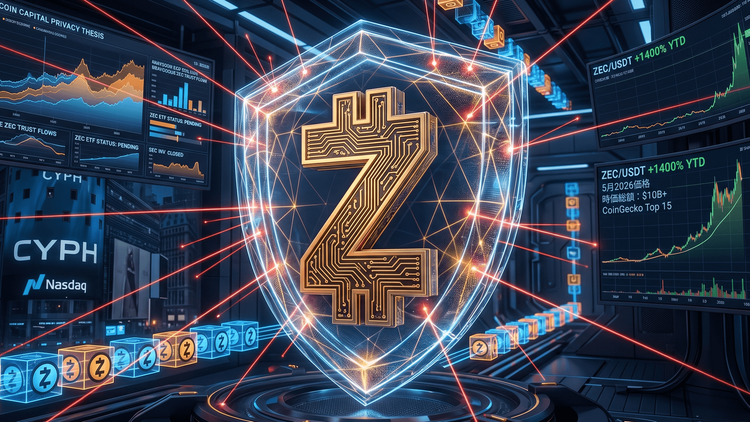
仮想通貨ZEC(Zcash)とは?ゼロ知識証明の仕組みと2026年急騰の理由、WEEXでの取引方法
ZEC(Zcash)の仕組みと2026年の急騰理由をわかりやすく解説。ゼロ知識証明・Multicoin Capital参入・GrayscaleのETF申請・SEC調査終結・ウィンクルボス兄弟のCYPH設立など最新動向から、WEEXでのZEC取引方法まで紹介します。

BABYASTEROIDコインとは?- Baby Asteroid (BABYASTEROID) の詳細ガイド
最近、Baby Asteroid (BABYASTEROID) はWEEXに新たに上場されました。これにより、ユーザーはこのエキサイティングなトークンを今すぐ取引することができます。trading の詳細を見る。この記事では、このトークンが暗号通貨業界にどのような影響をもたらすかを詳しく紹介し、さらに詳しく知りたい方向けには、Baby AsteroidとそのティッカーシンボルBABYASTEROIDについての詳細を確認することができます。 Baby Asteroid (BABYASTEROID) とは? Baby Asteroid (BABYASTEROID) は、宇宙をテーマにしたユーモアからインスパイアされた、コミュニティ駆動のミームトークンです。このトークンは、従来のユーティリティに頼らず、ミームやコミュニティの熱狂を通じて力を発揮します。短期間で大きな影響を与えることを目指しており、コミュニティの成長を主要なドライバーとしています。 Baby Asteroid コインは誰が作成したのか? Baby…
Gensyn(AI)とは何か – 暗号通貨の革新を探る
Gensyn(AI)概要 Gensyn(AI)は、暗号通貨業界において新たな革命を巻き起こしています。このトークンペアは、2026年4月30日にWEEXで新たに上場され、世界中のトレーダーに取引のチャンスを提供しています。さらに詳しいトークン情報は、Gensyn AIを訪問してみると良いでしょう。このトークンは人工知能のインフラストラクチャーとして機能し、コンピュート、データ、情報を結びつけて人間と機械が相互に利益を享受できるようにします。 Gensyn(AI)コインの作成者は誰か? Gensynは、テクノロジーの最前線に位置するスタートアップによって開発されました。a16z crypto、CoinFund、Galaxy Digitalなどの著名な支援者によってサポートされており、その技術的背景に関しては信頼性が高いです。機械学習とAIの融合を目指したこのプロジェクトは、究極のインフラストラクチャーを提供します。 Gensyn(AI)暗号通貨の仕組み Gensynはオープンなインフラストラクチャーとして設計され、AIシステムが必要とするコンピュートリソースを提供します。このシステムは、コンピュートリソースの分散型ネットワークを構築し、中央集権的な管理を排除することで、ユーザー自身が恩恵を受けることを可能にしています。Gensynネットワークは、世界中のユーザーに対して公平なアクセスと公平な貢献を促進します。 Gensyn(AI)暗号通貨の用途 このトークンは、AIのインフラストラクチャーとしての価値を提供しつつ、ブロックチェーン技術の革新的な側面を融合させています。トークンは、AIの学習プロセスを支え、ネットワークの運用に寄与することで、その価値を持続的に高めています。Gensynプラットフォームの参加者は、貢献度に応じた報酬を得ることができます。 Gensyn(AI)価格予測 現在の市場動向や予測について詳しく知りたい方は、Gensyn AI 価格予測ページへのアクセスをお勧めします。このページでは、最新の価格データと未来の価格動向について詳説しています。市場の動向を読むことができる実用的な情報を提供し、トレーダーに役立つ洞察をもたらします。 Gensyn(AI)の購入方法 Gensyn(AI)は、各種暗号通貨取引所で購入可能ですが、WEEXでAI/USDTとして取り扱えます。まず、WEEXでアカウントを登録し、register on…
Caspius(CAS)とは何か?
最近、仮想通貨市場に注目を集めている新たなトークン、Caspius(CAS)が2026年5月1日にWEEXに新規上場されました。ユーザーはこの機会に【CAS/USDT】ペアを取引することができます。仮想通貨業界では、新たなプロジェクトが加速する中で、新しいトークンの機能や用途を理解することが重要です。このCaspiusトークンはどのような特徴を持っているのでしょうか? Caspius(CAS)の紹介 Caspiusトークンは、Base 生态 AI 项目 Caspius が提供するembodied AI(具身知能)データ基盤プロジェクトの一部として誕生しました。このプロジェクトは、特にロボットの訓練データに焦点を当てており、革新的な技術を駆使してAIのトレーニングプロセスを最適化します。より詳しい情報をCaspius (CAS)のページで確認できます。 Caspius Coinを作ったのは誰? Caspiusプロジェクトは、AIとロボティクスの分野で実績を持つ専門家たちにより設立されました。チームメンバーは、先進的なAIソリューションの開発に情熱を持ち、技術革新を通して日常生活の改善を目指しています。 Caspius Cryptoはどのように機能するのか? Caspiusトークンは、AIデータインフラストラクチャーの一部として機能し、特にロボティクスの訓練データに特化しています。ユーザーは、トークンを利用してデータセットの購入や、AIモデルのトレーニングに必要なリソースへのアクセスを得ることができます。 Caspius Cryptoの用途…
Make A Wish (WISH)とは何ですか?
最近、仮想通貨業界で注目を集めているMake A Wish (WISH)が2026年5月1日にWEEXに新規上場され、取引が可能になりました。この上場により、多くの仮想通貨トレーダーや投資家たちが新たな投資機会を見出しています。詳細情報については、Make A Wish (WISH)のページでご覧いただけます。 Make A Wish (WISH)の紹介 Make A Wish (WISH)は、慈善活動との連動を目指し設計された仮想通貨です。上場初日には同名の基金への寄付と同時に注目を集め、多くの人々がプロジェクトの意義に共感を示しました。この通貨は、ブロックチェーン技術を駆使して透明性を確保し、寄付プロセスの効率化を図っています。 Make A Wish…

Make A Wish (WISH)とは何ですか?
Make A Wish (WISH)は、最近WEEXに上場されたばかりの暗号通貨で、そのトレードが非常に注目されています。4月30日、WEEXでの取引が開始され、多くの投資家にとっての新しい投資機会として期待されています。このトークンは、その名の通り、多くの人々の願いを叶えるための慈善プロジェクトに寄付することで知られており、コミュニティでのインパクトを広げています。WISH/USDTをトレードすることで、あなたもその一翼を担うことができます。 Make A Wish (WISH)の概要 Make A Wish (WISH)は、ユニークな慈善活動を基盤とする仮想通貨であり、そのトークンは特定の慈善団体に資金を提供することを目的としています。このトークンの特筆すべき点は、コミュニティの参加者が簡単に慈善活動に貢献できるメカニズムが整っていることです。最近、ある主要な慈善団体からも公式な反応と标识が発表され、プロジェクトの信頼性が高まっています。 Make A Wish Coinは誰が作ったのか? Make A…
Arm Holdings plc Tokenized Stock (Ondo) (ARMON)とは何ですか?
Arm Holdings plc Tokenized Stock (Ondo) (ARMON)は、暗号通貨市場における最新の革新であり、2026年4月29日にWEEXに新しく上場されました。このトークンペアは、米国外の個人投資家や機関投資家に、新たな取引機会を提供します。ユーザーは今すぐARMON/USDTを取引することで、リアルタイムで従来の証券流動性にアクセスできます。 Arm Holdings plc Tokenized Stock (Ondo) (ARMON)の紹介 ARM Holdings plc Tokenized…

Gensyn(AI)とは何ですか?- 暗号市場への新しい風
Gensyn(AI)は、AI向けのオープンインフラストラクチャを提供するトークンです。2026年4月にWEEXでの取引が開始され、ユーザーはAI/USDTペアで取引を始めることができます。詳細な情報をご希望の方は、Gensyn(AI)の詳細ページをご覧ください。 Gensyn(AI)の紹介 Gensynは、AIシステムが必要とする計算能力やデータ、情報をつなげるインフラストラクチャ層を提供します。このネットワークは人間と機械の双方がその交換から利益を得ることを可能にし、誰にも支配されない分散型のグローバルネットワークを構築します。 Gensyn Coinは誰が作ったのか? Gensynは、ブロックチェーンとAIの先端技術を結びつけることを目指して新進気鋭の技術者によって開発されました。彼らは、AIがどのように分散ネットワーク上で効果的に動作するかを研究し、独自のインフラを作り上げました。 Gensyn Cryptoはどのように機能するのか? Gensynは、AIが必要とする計算資源を効率的に配分し、人間と機械の協力による新しいAI研究の場を提供します。この分散型ネットワークはすべてのデータと計算を透明性高く管理し、より大きな信頼性を実現します。 Gensyn Cryptoはどのように使われるのか? Gensynトークンは、ネットワーク参加者が計算資源を提供する見返りとして報酬を受けるのに使用されます。また、AI関連の研究や開発プロジェクトに資金を提供するための手段としても機能します。 Gensyn AIの価格予測 Gensyn AIの将来の価格動向や市場予測について知りたい方は、Gensyn AIの価格予測ページをご覧ください。このページでは、現在の価格データや将来の見通しを確認できます。 Gensyn(AI)の購入方法…
新しいトークンchudhouse(CHUDHOUSE)とは?
新たにWEEXで取引が開始されたトークンペア、chudhouse (CHUDHOUSE) の魅力に迫ります。このトークンは、2026年4月29日にWEEXに上場し、注目を集めています。 chudhouse (CHUDHOUSE) の詳細はこちらで確認できます。このトークンに興味を持つ方は、詳細情報を学ぶためにリンクをクリックしてください。 chudhouse(CHUDHOUSE)の紹介 chudhouseは、斬新なコンセプトとともに暗号通貨市場に登場しました。最新の24時間の取引量は$2,123,938.92にも達し、前日比で141.70%の増加を記録しています(データ元:CoinMarketCap)。急増している取引量は、このトークンが市場で成長しつつあることを示しています。 chudhouseコインの創始者は? chudhouseは、LootHitlerによって創設されました。彼はチルハウス(ChillHouseSOL)コミュニティが直面している課題を支援しようとしています。チリハウスが家を失いそうだというニュースを受け、プロジェクトが開始され、取引手数料を寄付するという斬新な取り組みが進行中です。 chudhouse暗号の仕組みは? chudhouseは、分散型の取引手数料寄付システムを採用しています。取引手数料から得られる一部の資金は、プロジェクトや関連するコミュニティへ寄付される仕組みになっています。このモデルは、取引の活発化を促進しつつ、慈善活動をサポートするというユニークなアプローチを可能にします。 chudhouse暗号の利用方法は? このトークンは、主に支援活動をターゲットとしています。同時に、トレーダーたちはWEEXでの取引を活用して、CHUDHOUSEとUSDTの取引を楽しむことができます。興味がある方は、chudhouse/USDTの取引ページで詳しく確認し、今すぐ取引を開始しましょう。 Token Fullname chudhouse(token ticker…
Pharos(PROS)とは何か?
2026年4月21日、Pharos(PROS)がWEEXに新たに上場され、ユーザーはPROS/USDTペアでの取引を開始しました。PROS/USDTでの取引はこちらをご覧ください。Pharos(PROS)はリアルファイナンス(RealFi)のための包括的なLayer 1プラットフォームであり、実際の価値や機関グレードの資産がオンチェーンで循環し、分散型資産と組み合わせて、全世界の金融の新たな基盤となることを目指しています。Pharosの詳細について知りたい方はPharos(PROS)の詳細はこちらをご覧ください。 Pharos(PROS)の紹介 Pharos(PROS)は、Ant Groupのリーダーシップとエンジニアによって構築された新しいブロックチェーンプロジェクトです。このプロジェクトはHack VCやFaction VCなどの世界的なトラディショナルファイナンスの投資家からの支援を受けています。Pharosはモジュール式アーキテクチャ、深い並列実行、組み込みのコンプライアンスを組み合わせて、資産ネイティブのエコシステムを強化しています。 Pharosは誰が作ったのか? Pharosは、金融技術の巨人であるAnt Groupのトップエンジニアとリーダーシップチームによって開発されました。従来の金融市場の知識と、ブロックチェーン技術の経験豊富なチームによって、Pharosは次世代の金融インフラとして台頭しています。 Pharosの仕組みは? Pharosの主な特徴は、モジュラリティとコンプライアンスです。これにより、オンチェーンで資産が安全かつ効率的に移動できる統合された金融システムを提供しています。加えて、モジュール式の設計により、迅速な取引と対応が可能です。 Pharosはどのように使用されるのか? Pharosは、デジタル資産とリアル資産の橋渡しを行い、ユーザーが伝統的な金融資産と暗号資産を効率的かつ安全に貿易できる環境を提供します。このアプローチは、金融市場に新しい可能性を提供し、多くの投資家から注目されています。 Pharos(PROS)の価格予測 Pharos(PROS)の価格予測と見通しはこちらで確認できます。このページでは、現在の価格データや将来的な価格見通しを確認することができます。投資判断の参考としてぜひご覧ください。 Pharos(PROS)の購入方法 Pharosの購入方法は、Pharos購入ガイドをご参照ください。まず、WEEXで登録またはログインし、次に提供された取引リンクでPROS/USDTペアを選択して取引を開始します。…
Scam Altman(SCAM)コインとは何か?
Scam Altman(SCAM)は、最近WEEX取引所に新たに上場された注目のトークンです。取引は2026年4月28日から開始され、ユーザーはSCAM/USDTでの取引を開始することが可能です。このトークンの特異性と未来への期待から、多くの投資家が注目しています。Scam Altman(SCAM)トークンの詳細情報をご覧になりたい方は、Scam Altman SCAMの概要をご確認ください。 Scam Altman(SCAM)概要 Scam Altman(SCAM)とは、Elon MuskがX上で複数回投稿し、OpenAIのCEOであるSam Altmanを非難するために作られたユニークな暗号資産です。彼の慈善プロジェクトの成果を盗用し、自身の利益として数十億ドル相当の株式を得たと非難されています。このトークンは彼の動きに対する風刺的な意図を持つと同時に、新しい投資機会としても注目されています。 Scam Altman コインのクリエーターは誰ですか? Scam Altman(SCAM)の創設者は不明とされていますが、彼らはSam Altmanの影響を強調し、この風刺的なトークンを通じて市場のプラットフォームへの批評や意識を促す存在となっています。 Scam…

What is The Dancing Squirrel (BELKA) Coin?
The Dancing Squirrel (BELKA) コインについて 暗号通貨市場に新たな風を吹き込む The Dancing Squirrel(BELKA)コインが、4月27日よりWEEXで新たに取引可能となりました。このユニークなメームコインは、ソラナブロックチェーン上に構築されており、バイラルGIFでおなじみのリスのマスコットキャラクターを中心に展開されています。The Dancing Squirrelの詳細とBELKAについてはこちらで確認が可能です。 The Dancing Squirrel (BELKA) コインの紹介 The Dancing…
新しい市場の注目トークン:Self-Aware Meme (SAM)とは?
最近、WEEXに新たに上場されたトークンペア、Self-Aware Meme (SAM)の取引が開始され、多くの注目を集めています。このトークンは、斬新なコンセプトと魅力的な特徴を持つ新しいソラナ基盤のメームコインです。SAMトークンの取引はウェブサイトにて確認できます。トレーディングを始めたい方は、詳細をこちらのSelf-Aware MemeとSAMトークンについての詳細情報から確認してください。 Self-Aware Meme (SAM)の概要 Self-Aware Meme (SAM)は、ソラナベースのメームコインとして、先進的なAI生成の「自己認識メーム」というマスコットと共に登場しました。この新たなトークンは、コミュニティのアーティストや開発者からのインプットを活用して、お笑いの要素を伴いながらも、魅力を引き出しています。 Self-Aware Meme Coinを誰が作ったのか? Self-Aware Meme Coinは、クリプト業界で活躍する一団のエンジニアとデザイナーによって開発されました。このプロジェクトは、ユーザーのインタラクティブ体験を重視しており、メーム文化とAI技術を組み合わせたユニークな概念から生まれたものです。 Self-Aware Meme…
The Man from the Future (HENRY)とは?
The Man from the Future (HENRY)トークンは、最近WEEX取引所に上場された注目の暗号資産トークンです。ユーザーは、この新しい取引ペアであるHENRY/USDTを取引可能で、こちらから取引を始めることができます。初心者にとってもアクセスしやすい内容で、暗号資産市場での新しい投資機会を提供します。本記事を通して、The Man from the Future (HENRY)トークンの基本情報や利用方法、今後の価格予測、投資としてのポテンシャルを詳しく解説します。 The Man from the Future (HENRY)の紹介 The…
2026年のFutu規制強化:クロスボーダー投資家への影響とは?
2026年のFutuに対する規制強化は、クロスボーダー証券会社全体で急激な売りを誘発しました。この記事では、その経緯、市場への影響、そしてWEEXのような代替的なグローバル取引プラットフォームへの移行について解説します。
MTFRとは?Mom Trust Fund Reserveの仕組みを解説
MTFRは、信託基金を風刺したSolanaベースのミームコインです。取引前に知っておくべき概要、仕組み、およびリスクについて解説します。
QBTS株:D-Wave Quantumの急騰、リスク、見通し
QBTS株は量子コンピューティングへの資金提供のニュースを受けて急騰しました。D-Waveの事業内容、2026年第1四半期の業績、アナリストの目標株価、カタリスト、バリュエーションリスク、注目点について解説します。
SAOSとは?Strategic American Oil Supplyを解説
SAOSとは何か、Strategic American Oil Supplyがどのように石油関連の暗号資産ブランディングを利用しているか、そしてトレーダーがなぜ最初にコントラクトとリスクを検証すべきかを学びましょう。
仮想通貨ZEC(Zcash)とは?ゼロ知識証明の仕組みと2026年急騰の理由、WEEXでの取引方法
ZEC(Zcash)の仕組みと2026年の急騰理由をわかりやすく解説。ゼロ知識証明・Multicoin Capital参入・GrayscaleのETF申請・SEC調査終結・ウィンクルボス兄弟のCYPH設立など最新動向から、WEEXでのZEC取引方法まで紹介します。
BABYASTEROIDコインとは?- Baby Asteroid (BABYASTEROID) の詳細ガイド
最近、Baby Asteroid (BABYASTEROID) はWEEXに新たに上場されました。これにより、ユーザーはこのエキサイティングなトークンを今すぐ取引することができます。trading の詳細を見る。この記事では、このトークンが暗号通貨業界にどのような影響をもたらすかを詳しく紹介し、さらに詳しく知りたい方向けには、Baby AsteroidとそのティッカーシンボルBABYASTEROIDについての詳細を確認することができます。 Baby Asteroid (BABYASTEROID) とは? Baby Asteroid (BABYASTEROID) は、宇宙をテーマにしたユーモアからインスパイアされた、コミュニティ駆動のミームトークンです。このトークンは、従来のユーティリティに頼らず、ミームやコミュニティの熱狂を通じて力を発揮します。短期間で大きな影響を与えることを目指しており、コミュニティの成長を主要なドライバーとしています。 Baby Asteroid コインは誰が作成したのか? Baby…


