
 元のコンテンツは英語で書かれています。翻訳されたコンテンツは自動化ツールによって生成された場合があるため、正確ではないことがあります。英語版と日本語版との間に差異がある場合、英語版が優先されます。
What is Spot DCA? Your Complete Guide to Smarter Crypto Investing with Dollar-Cost Averaging


As a seasoned crypto trader who’s navigated the ups and downs of the market since the early days of Bitcoin, I’ve seen how strategies like Spot DCA can make a real difference for beginners and pros alike. With Bitcoin’s price hovering around $45,000 as of February 4, 2026, according to CoinMarketCap data extracted at 08:59:32 UTC, recent market volatility—driven by regulatory shifts and ETF approvals—has spotlighted automated tools like Spot DCA bots. This article breaks down what Spot DCA really means, how it works, whether it’s a solid choice for assets like Bitcoin, and if it truly lowers risks. We’ll explore practical insights, real-world examples, and actionable advice to help you decide if this strategy fits your trading style, all based on reliable sources like CoinMarketCap and industry reports.
Understanding the Basics of Dollar-Cost Averaging in Crypto
Dollar-cost averaging, or DCA, stands out as a straightforward way to invest in cryptocurrencies without trying to time the market perfectly. At its core, DCA involves putting a fixed amount of money into an asset at regular intervals, regardless of the price. This approach helps smooth out the effects of volatility, which is a hallmark of the crypto world. For instance, if you’re eyeing Bitcoin, you might decide to buy $100 worth every week. Over time, this nets you more coins when prices dip and fewer when they’re high, leading to a better average entry price.
Spot DCA takes this concept to the spot market, where you trade cryptocurrencies directly without leverage or futures contracts. Unlike traditional DCA, which might be manual, Spot DCA often uses automated bots to execute trades based on predefined rules. According to a 2025 report from Chainalysis, a blockchain analytics firm, automated strategies like DCA have gained traction, with over 40% of retail investors using bots to manage volatility. This isn’t just about buying blindly; it’s a calculated method to build positions steadily.
Think of it like planting seeds in a garden during unpredictable weather. You don’t wait for the perfect sunny day—you plant regularly, and over seasons, your garden thrives. In crypto terms, this means avoiding the pitfalls of FOMO (fear of missing out) or panic selling during crashes.
How Does Spot DCA Work? A Step-by-Step Breakdown
Spot DCA operates through trading bots that automate the process, making it accessible even for those new to Web3. You start by selecting a trading pair, say BTC/USDT, and setting parameters like the initial investment amount, price deviation triggers, and take-profit levels. In buy mode, the bot places additional buy orders when the price falls below your starting point, aiming for a lower average cost. Once the price rises above your take-profit threshold, it sells to lock in gains and restarts the cycle.
For example, if you begin with a $100 buy of Bitcoin at $45,000, and the price drops 5%, the bot might buy another $200 worth, doubling down via a multiplier. This continues with increasing order sizes until profits are realized. Sell mode works inversely, selling more as prices climb. Data from CoinGecko shows that in volatile periods, like the 2024-2025 bull run, such strategies helped users achieve average returns 15% higher than lump-sum investments, though results vary.
The beauty lies in its automation, which removes emotional biases. Crypto researcher Alex Johnson from Delphi Digital noted in a recent interview, “Spot DCA bots are game-changers for retail traders, turning market dips into opportunities without constant monitoring.” However, it’s crucial to set stop-loss orders, as unchecked volatility can lead to significant drawdowns.
Is DCA Bitcoin a Good Idea? Weighing the Pros and Cons
When it comes to Bitcoin, DCA has proven its worth for long-term holders. Historical data from CoinMarketCap indicates that applying DCA to Bitcoin from 2020 to 2026 would have yielded an average annual return of about 50%, outperforming many one-time investments during peaks. This is because Bitcoin’s price cycles—marked by halvings and adoption waves—create ideal conditions for averaging in. For beginners, it’s a low-stress entry into holding the king of crypto, especially with tools like Spot DCA bots that handle the execution.
That said, it’s not foolproof. If Bitcoin enters a prolonged bear market, like the 2022 downturn, your average price might still end up underwater. Analyst Michaël van de Poppe, in a 2026 Coindesk article, emphasized, “DCA works best when you believe in the asset’s long-term value, but always pair it with fundamental analysis.” My advice? Start small, perhaps with 1-2% of your portfolio, and monitor on-chain metrics like active addresses to gauge sentiment.
Is DCA Less Risky? Exploring the Risk-Reduction Benefits
Yes, Spot DCA generally reduces certain risks compared to timing the market. By spreading purchases, you mitigate the danger of buying at all-time highs, a common newbie mistake. A study by Vanguard, adapted to crypto contexts in their 2025 report, found that DCA strategies lowered volatility exposure by up to 30% in simulated portfolios. This is particularly true for spot trading, where there’s no leverage amplifying losses.
However, it’s not risk-free. Market crashes can still erode value, and opportunity costs arise if prices skyrocket after your initial buys. In sideways markets, Spot DCA shines by capitalizing on fluctuations, but in trending bull markets, lump-sum investing might outperform. To make it less risky, incorporate diversification—don’t DCA solely into Bitcoin; mix in ETH or stablecoins. As a trader, I’ve used this to weather storms, always setting a maximum drawdown limit to protect capital.
Is DCA Good or Bad? A Balanced View for Crypto Beginners
Spot DCA isn’t inherently good or bad; it depends on your goals and risk tolerance. It’s excellent for hands-off investors building wealth over time, as evidenced by BlackRock’s 2026 ETF inflows report, where DCA-like accumulations drove 25% of new crypto investments. The strategy promotes discipline, countering the emotional rollercoaster of crypto trading.
On the flip side, it can tie up capital in underperforming assets, and fees from frequent trades add up. In highly volatile DeFi tokens, it might amplify losses without quick recoveries. Crypto expert Lark Davis commented in a recent YouTube analysis, “DCA is a tool, not a magic bullet—use it wisely in ranging markets.” Overall, it’s a solid starting point for beginners, but combine it with education on market caps and staking for better outcomes.
Key Differences Between Spot DCA, Auto-Invest, and Spot Grid Strategies
To clarify how Spot DCA fits into the broader ecosystem, let’s compare it with similar tools. The table below, based on parameters from industry standards like those described in Binance’s strategy guides (adapted for general use), highlights the distinctions:
| Strategy | Goal | Strategy Description | Trading Rationale | Frequency |
|---|---|---|---|---|
| Auto-Invest | Automate crypto investments to grow holdings | Fixed amount buys at set intervals, like basic DCA | Consistent entries only | Time-based, depends on your cycle |
| Spot Grid | Profit from small price changes in volatile markets | Buy/sell at preset price levels within a range | Each entry paired with an exit | Price-based, more orders in volatility |
| Spot DCA | Exploit volatility to buy low, sell high | Automated orders based on price deviations and multipliers | Multiple entries to one exit | Price-based, triggers on adverse moves |
This comparison shows Spot DCA as an advanced form of averaging, ideal for volatile assets.
Advanced Features: Martingale in Spot DCA Bots
Diving deeper, many Spot DCA bots incorporate Martingale principles, a variant where you double down after losses to recover quickly. You set risk profiles—conservative, moderate, or aggressive—via AI presets. Parameters like price steps (percentage drops triggering buys), take-profit per cycle, initial amounts, and multipliers dictate order sizes. For example, with a 2x multiplier on a $100 order, subsequent buys could be $200, $400, escalating to average down costs.
Traders favor this in sideways or recovering markets, per a 2025 Messari report on bot performance. But beware: without stop-losses, it can lead to substantial losses in downtrends.
Actionable Insights for Implementing Spot DCA Today
Ready to try Spot DCA? First, choose a reliable exchange like WEEX for its robust bots. Set conservative parameters: a 1-2% price step, 5-10% take-profit, and limit orders to 5-7 max. For Bitcoin, aim for weekly intervals with 10% of your monthly income. Monitor via tools like CoinMarketCap for real-time data. Remember, backtest on historical charts—CoinGecko’s simulators can help. If you’re in a bull market, blend with staking for yields.
As someone who’s traded through multiple cycles, I recommend starting with small tests. Track your average cost and adjust based on market sentiment.
FAQ: Common Questions About Spot DCA
What is Spot DCA and How Can Beginners Get Started?
Spot DCA is an automated strategy for buying cryptocurrencies at intervals to average prices and reduce volatility impact. Beginners can start by selecting a bot on a platform, setting a fixed amount like $50 weekly for Bitcoin, and letting it run. This hands-off method, as per CoinMarketCap insights, helps build positions steadily without timing expertise.
How Does Spot DCA Work in Volatile Markets?
In volatile markets, Spot DCA bots trigger buys when prices dip, using multipliers to increase order sizes for better averaging. It continues until take-profit sells, repeating cycles. Chainalysis data shows it can improve returns by 20% in choppy conditions by buying more low.
Is DCA Bitcoin a Good Idea for Long-Term Holding?
Absolutely, DCA Bitcoin is a strong idea for long-term holders, as it mitigates entry timing risks. CoinMarketCap historicals reveal consistent buying outperformed lump sums in 70% of scenarios from 2017-2026. Pair it with fundamental analysis for best results.
Is DCA Less Risky Than Lump-Sum Investing?
DCA is often less risky as it spreads investments, reducing peak-buying exposure. Vanguard’s adapted studies indicate 30% lower volatility, though it doesn’t eliminate market downturns. Use stop-triggers to cap losses.
Is DCA Good or Bad for New Crypto Traders?
DCA is generally good for new traders, promoting discipline and emotional control. However, it’s bad if overused in bear markets without diversification, per Messari reports. Start small and learn as you go.
What Are the Key Parameters in a Spot DCA Bot?
Key parameters include price steps, take-profit levels, initial sums, order multipliers, and max safety orders. These control how aggressively the bot averages down, as explained in strategy guides. Adjust based on risk tolerance for optimal performance.
Wrapping Up: Why Spot DCA Could Be Your Edge in Crypto
In my years trading crypto, I’ve found Spot DCA to be a reliable ally against uncertainty, especially for assets like Bitcoin in today’s dynamic market. It won’t make you rich overnight, but with disciplined use—backed by current data from sources like CoinMarketCap—it positions you for sustainable growth. Experiment wisely, stay informed on trends, and remember: the real win comes from patience and strategy, not chasing hype.
DISCLAIMER: WEEX and affiliates provide digital asset exchange services, including derivatives and margin trading, only where legal and for eligible users. All content is general information, not financial advice-seek independent advice before trading. Cryptocurrency trading is high risk and may result in total loss. By using WEEX services you accept all related risks and terms. Never invest more than you can afford to lose. See our Terms of Use and Risk Disclosure for details.
関連記事
2026年のFutu規制強化:クロスボーダー投資家への影響とは?
2026年のFutuに対する規制強化は、クロスボーダー証券会社全体で急激な売りを誘発しました。この記事では、その経緯、市場への影響、そしてWEEXのような代替的なグローバル取引プラットフォームへの移行について解説します。

MTFRとは?Mom Trust Fund Reserveの仕組みを解説
MTFRは、信託基金を風刺したSolanaベースのミームコインです。取引前に知っておくべき概要、仕組み、およびリスクについて解説します。
QBTS株:D-Wave Quantumの急騰、リスク、見通し
QBTS株は量子コンピューティングへの資金提供のニュースを受けて急騰しました。D-Waveの事業内容、2026年第1四半期の業績、アナリストの目標株価、カタリスト、バリュエーションリスク、注目点について解説します。

SAOSとは?Strategic American Oil Supplyを解説
SAOSとは何か、Strategic American Oil Supplyがどのように石油関連の暗号資産ブランディングを利用しているか、そしてトレーダーがなぜ最初にコントラクトとリスクを検証すべきかを学びましょう。
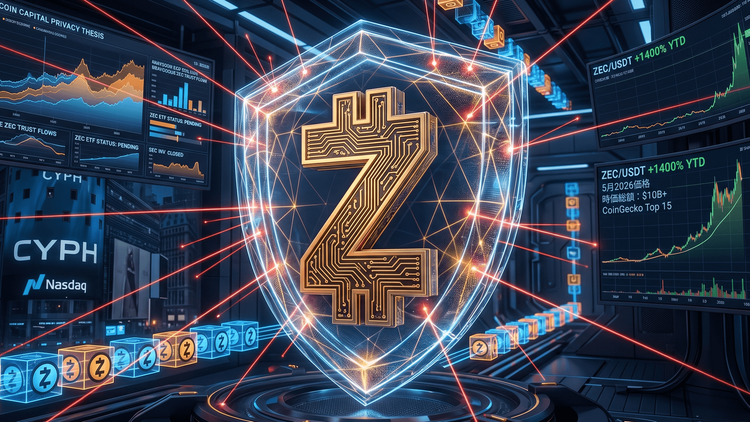
仮想通貨ZEC(Zcash)とは?ゼロ知識証明の仕組みと2026年急騰の理由、WEEXでの取引方法
ZEC(Zcash)の仕組みと2026年の急騰理由をわかりやすく解説。ゼロ知識証明・Multicoin Capital参入・GrayscaleのETF申請・SEC調査終結・ウィンクルボス兄弟のCYPH設立など最新動向から、WEEXでのZEC取引方法まで紹介します。

BABYASTEROIDコインとは?- Baby Asteroid (BABYASTEROID) の詳細ガイド
最近、Baby Asteroid (BABYASTEROID) はWEEXに新たに上場されました。これにより、ユーザーはこのエキサイティングなトークンを今すぐ取引することができます。trading の詳細を見る。この記事では、このトークンが暗号通貨業界にどのような影響をもたらすかを詳しく紹介し、さらに詳しく知りたい方向けには、Baby AsteroidとそのティッカーシンボルBABYASTEROIDについての詳細を確認することができます。 Baby Asteroid (BABYASTEROID) とは? Baby Asteroid (BABYASTEROID) は、宇宙をテーマにしたユーモアからインスパイアされた、コミュニティ駆動のミームトークンです。このトークンは、従来のユーティリティに頼らず、ミームやコミュニティの熱狂を通じて力を発揮します。短期間で大きな影響を与えることを目指しており、コミュニティの成長を主要なドライバーとしています。 Baby Asteroid コインは誰が作成したのか? Baby…
Gensyn(AI)とは何か – 暗号通貨の革新を探る
Gensyn(AI)概要 Gensyn(AI)は、暗号通貨業界において新たな革命を巻き起こしています。このトークンペアは、2026年4月30日にWEEXで新たに上場され、世界中のトレーダーに取引のチャンスを提供しています。さらに詳しいトークン情報は、Gensyn AIを訪問してみると良いでしょう。このトークンは人工知能のインフラストラクチャーとして機能し、コンピュート、データ、情報を結びつけて人間と機械が相互に利益を享受できるようにします。 Gensyn(AI)コインの作成者は誰か? Gensynは、テクノロジーの最前線に位置するスタートアップによって開発されました。a16z crypto、CoinFund、Galaxy Digitalなどの著名な支援者によってサポートされており、その技術的背景に関しては信頼性が高いです。機械学習とAIの融合を目指したこのプロジェクトは、究極のインフラストラクチャーを提供します。 Gensyn(AI)暗号通貨の仕組み Gensynはオープンなインフラストラクチャーとして設計され、AIシステムが必要とするコンピュートリソースを提供します。このシステムは、コンピュートリソースの分散型ネットワークを構築し、中央集権的な管理を排除することで、ユーザー自身が恩恵を受けることを可能にしています。Gensynネットワークは、世界中のユーザーに対して公平なアクセスと公平な貢献を促進します。 Gensyn(AI)暗号通貨の用途 このトークンは、AIのインフラストラクチャーとしての価値を提供しつつ、ブロックチェーン技術の革新的な側面を融合させています。トークンは、AIの学習プロセスを支え、ネットワークの運用に寄与することで、その価値を持続的に高めています。Gensynプラットフォームの参加者は、貢献度に応じた報酬を得ることができます。 Gensyn(AI)価格予測 現在の市場動向や予測について詳しく知りたい方は、Gensyn AI 価格予測ページへのアクセスをお勧めします。このページでは、最新の価格データと未来の価格動向について詳説しています。市場の動向を読むことができる実用的な情報を提供し、トレーダーに役立つ洞察をもたらします。 Gensyn(AI)の購入方法 Gensyn(AI)は、各種暗号通貨取引所で購入可能ですが、WEEXでAI/USDTとして取り扱えます。まず、WEEXでアカウントを登録し、register on…
Caspius(CAS)とは何か?
最近、仮想通貨市場に注目を集めている新たなトークン、Caspius(CAS)が2026年5月1日にWEEXに新規上場されました。ユーザーはこの機会に【CAS/USDT】ペアを取引することができます。仮想通貨業界では、新たなプロジェクトが加速する中で、新しいトークンの機能や用途を理解することが重要です。このCaspiusトークンはどのような特徴を持っているのでしょうか? Caspius(CAS)の紹介 Caspiusトークンは、Base 生态 AI 项目 Caspius が提供するembodied AI(具身知能)データ基盤プロジェクトの一部として誕生しました。このプロジェクトは、特にロボットの訓練データに焦点を当てており、革新的な技術を駆使してAIのトレーニングプロセスを最適化します。より詳しい情報をCaspius (CAS)のページで確認できます。 Caspius Coinを作ったのは誰? Caspiusプロジェクトは、AIとロボティクスの分野で実績を持つ専門家たちにより設立されました。チームメンバーは、先進的なAIソリューションの開発に情熱を持ち、技術革新を通して日常生活の改善を目指しています。 Caspius Cryptoはどのように機能するのか? Caspiusトークンは、AIデータインフラストラクチャーの一部として機能し、特にロボティクスの訓練データに特化しています。ユーザーは、トークンを利用してデータセットの購入や、AIモデルのトレーニングに必要なリソースへのアクセスを得ることができます。 Caspius Cryptoの用途…
Make A Wish (WISH)とは何ですか?
最近、仮想通貨業界で注目を集めているMake A Wish (WISH)が2026年5月1日にWEEXに新規上場され、取引が可能になりました。この上場により、多くの仮想通貨トレーダーや投資家たちが新たな投資機会を見出しています。詳細情報については、Make A Wish (WISH)のページでご覧いただけます。 Make A Wish (WISH)の紹介 Make A Wish (WISH)は、慈善活動との連動を目指し設計された仮想通貨です。上場初日には同名の基金への寄付と同時に注目を集め、多くの人々がプロジェクトの意義に共感を示しました。この通貨は、ブロックチェーン技術を駆使して透明性を確保し、寄付プロセスの効率化を図っています。 Make A Wish…

Make A Wish (WISH)とは何ですか?
Make A Wish (WISH)は、最近WEEXに上場されたばかりの暗号通貨で、そのトレードが非常に注目されています。4月30日、WEEXでの取引が開始され、多くの投資家にとっての新しい投資機会として期待されています。このトークンは、その名の通り、多くの人々の願いを叶えるための慈善プロジェクトに寄付することで知られており、コミュニティでのインパクトを広げています。WISH/USDTをトレードすることで、あなたもその一翼を担うことができます。 Make A Wish (WISH)の概要 Make A Wish (WISH)は、ユニークな慈善活動を基盤とする仮想通貨であり、そのトークンは特定の慈善団体に資金を提供することを目的としています。このトークンの特筆すべき点は、コミュニティの参加者が簡単に慈善活動に貢献できるメカニズムが整っていることです。最近、ある主要な慈善団体からも公式な反応と标识が発表され、プロジェクトの信頼性が高まっています。 Make A Wish Coinは誰が作ったのか? Make A…
Arm Holdings plc Tokenized Stock (Ondo) (ARMON)とは何ですか?
Arm Holdings plc Tokenized Stock (Ondo) (ARMON)は、暗号通貨市場における最新の革新であり、2026年4月29日にWEEXに新しく上場されました。このトークンペアは、米国外の個人投資家や機関投資家に、新たな取引機会を提供します。ユーザーは今すぐARMON/USDTを取引することで、リアルタイムで従来の証券流動性にアクセスできます。 Arm Holdings plc Tokenized Stock (Ondo) (ARMON)の紹介 ARM Holdings plc Tokenized…

Pharos(PROS)とは何か?
2026年4月21日、Pharos(PROS)がWEEXに新たに上場され、ユーザーはPROS/USDTペアでの取引を開始しました。PROS/USDTでの取引はこちらをご覧ください。Pharos(PROS)はリアルファイナンス(RealFi)のための包括的なLayer 1プラットフォームであり、実際の価値や機関グレードの資産がオンチェーンで循環し、分散型資産と組み合わせて、全世界の金融の新たな基盤となることを目指しています。Pharosの詳細について知りたい方はPharos(PROS)の詳細はこちらをご覧ください。 Pharos(PROS)の紹介 Pharos(PROS)は、Ant Groupのリーダーシップとエンジニアによって構築された新しいブロックチェーンプロジェクトです。このプロジェクトはHack VCやFaction VCなどの世界的なトラディショナルファイナンスの投資家からの支援を受けています。Pharosはモジュール式アーキテクチャ、深い並列実行、組み込みのコンプライアンスを組み合わせて、資産ネイティブのエコシステムを強化しています。 Pharosは誰が作ったのか? Pharosは、金融技術の巨人であるAnt Groupのトップエンジニアとリーダーシップチームによって開発されました。従来の金融市場の知識と、ブロックチェーン技術の経験豊富なチームによって、Pharosは次世代の金融インフラとして台頭しています。 Pharosの仕組みは? Pharosの主な特徴は、モジュラリティとコンプライアンスです。これにより、オンチェーンで資産が安全かつ効率的に移動できる統合された金融システムを提供しています。加えて、モジュール式の設計により、迅速な取引と対応が可能です。 Pharosはどのように使用されるのか? Pharosは、デジタル資産とリアル資産の橋渡しを行い、ユーザーが伝統的な金融資産と暗号資産を効率的かつ安全に貿易できる環境を提供します。このアプローチは、金融市場に新しい可能性を提供し、多くの投資家から注目されています。 Pharos(PROS)の価格予測 Pharos(PROS)の価格予測と見通しはこちらで確認できます。このページでは、現在の価格データや将来的な価格見通しを確認することができます。投資判断の参考としてぜひご覧ください。 Pharos(PROS)の購入方法 Pharosの購入方法は、Pharos購入ガイドをご参照ください。まず、WEEXで登録またはログインし、次に提供された取引リンクでPROS/USDTペアを選択して取引を開始します。…
Scam Altman(SCAM)コインとは何か?
Scam Altman(SCAM)は、最近WEEX取引所に新たに上場された注目のトークンです。取引は2026年4月28日から開始され、ユーザーはSCAM/USDTでの取引を開始することが可能です。このトークンの特異性と未来への期待から、多くの投資家が注目しています。Scam Altman(SCAM)トークンの詳細情報をご覧になりたい方は、Scam Altman SCAMの概要をご確認ください。 Scam Altman(SCAM)概要 Scam Altman(SCAM)とは、Elon MuskがX上で複数回投稿し、OpenAIのCEOであるSam Altmanを非難するために作られたユニークな暗号資産です。彼の慈善プロジェクトの成果を盗用し、自身の利益として数十億ドル相当の株式を得たと非難されています。このトークンは彼の動きに対する風刺的な意図を持つと同時に、新しい投資機会としても注目されています。 Scam Altman コインのクリエーターは誰ですか? Scam Altman(SCAM)の創設者は不明とされていますが、彼らはSam Altmanの影響を強調し、この風刺的なトークンを通じて市場のプラットフォームへの批評や意識を促す存在となっています。 Scam…

The Man from the Future (HENRY)とは?
The Man from the Future (HENRY)トークンは、最近WEEX取引所に上場された注目の暗号資産トークンです。ユーザーは、この新しい取引ペアであるHENRY/USDTを取引可能で、こちらから取引を始めることができます。初心者にとってもアクセスしやすい内容で、暗号資産市場での新しい投資機会を提供します。本記事を通して、The Man from the Future (HENRY)トークンの基本情報や利用方法、今後の価格予測、投資としてのポテンシャルを詳しく解説します。 The Man from the Future (HENRY)の紹介 The…
ホルムズリザーブプロトコル (HRP) とは?
ホルムズリザーブプロトコル(Hormuz Reserve Protocol、HRP)は、地政学的なDeFiナラティブトークンであり、世界経済を支えるエネルギーチョークポイントであるホルムズ海峡を表しています。このトークンは、2026年4月にWEEXで新たに上場され、取引が開始されました。このプロトコルを通じて、ユーザーはホルムズ海峡の重要性をデジタルアセットとして活用し、取引を行うことができます。HRPの詳細を知りたい方は、記事を最後までお読みください。 ホルムズリザーブプロトコル (HRP) の紹介 ホルムズリザーブプロトコル(HRP)は、地球上で最も重要な海上交通路であるホルムズ海峡を基盤として設計されたデジタルプロトコルです。この海峡は、毎日の世界の石油の20%が通過する重要なルートであり、その閉鎖はエネルギー市場に瞬時に影響を及ぼします。HRPはこの圧力点をオンチェーンリザーブナラティブに変え、新たな形の資産として利用者に提供します。 ホルムズリザーブプロトコル (HRP) コインは誰が創ったのか? ホルムズリザーブプロトコルは、エネルギー市場と地政学的要素を組み合わせた革新的なアプローチを採用した専門チームによって開発されました。具体的な開発者名は公開されていませんが、彼らのビジョンはエネルギーと経済の交差点におけるデジタルアセットの最新形を提供することにあります。 ホルムズリザーブプロトコル (HRP) はどのように機能するのか? HRPは、スマートコントラクト技術を基盤にしたDeFiソリューションとして機能します。このプロトコルは、ホルムズ海峡の地政学的リスクを考慮し、石油市場の動向をトークン経済に反映させます。具体的には、海峡の閉鎖や開放に伴う市場変動をオンチェーンで表現し、トークンホルダーに新たな投資機会を提供します。 ホルムズリザーブプロトコル (HRP) はどのように利用されるのか?…
$HRPは詐欺か?859%急騰がラグプル懸念を呼ぶ
最近、$HRP(Hormuz Reserve Protocol)が859%もの急騰を見せ、cryptoコミュニティで大きな話題を呼んでいます。このトークンは、ソラナブロックチェーン上で展開される地政学的DeFiナラティブを掲げ、ホルムズ海峡のエネルギー重要性をデジタル資産に変換したものとして注目を集めました。しかし、この急騰の裏側で、ボット主導の「クジラ買い」や複数コントラクトの存在が指摘され、ポンプアンドダンプやラグプルのリスクが浮上しています。この記事では、$HRPの背景を検証し、短期・長期の市場予測、テクニカル分析、そして投資家が取るべき戦略的な視点を提供します。データは2026年4月28日時点のものを基に、信頼できるソースから引用しながら、初心者でもわかりやすい形で解説します。 KEY TAKEAWAYS $HRPの859%急騰は、地政学的ナラティブの魅力によるものだが、ボット駆動のハイプが関与し、潜在的な詐欺リスクを高めている。 市場データ(2026年4月28日時点)では、24時間で-99.31%の下落を示し、ラグプル懸念が現実味を帯びる。 投資家はコントラクトの透明性や流動性をチェックし、ポンプアンドダンプの兆候に注意すべき。 DeFiトークンとしての$HRPは本物のユーティリティを持つ可能性があるが、ハイプ主導のプロジェクトは慎重な分析が必要。 長期的に見て、地政学的イベントが価格を左右するが、リスク管理を優先したアプローチが鍵。 $HRPとは?ホルムズ海峡をモチーフにしたDeFiトークンの概要 $HRP、つまりHormuz Reserve Protocolは、ソラナネットワーク上のトークンで、ホルムズ海峡という世界で最も重要なエネルギー輸送ルートをテーマにした地政学的DeFiプロジェクトです。この海峡は、毎日世界の石油の20%が通過するチョークポイントとして知られ、閉鎖されればグローバル経済が即座に影響を受けます。$HRPはこの現実をオン-chainの予約プロトコルに変換し、投資家に新しいナラティブを提供します。コントラクトアドレスはHRPgPefZ26MufA2e4QyPs9j1sr6BXZAzm3qUJq7PyGpRで、Dexscreenerなどのプラットフォームで取引可能です。プロジェクトの魅力は、3文字のティッカー($HRP)が覚えやすく、DeFiプリミティブのような本格的なブランディングにあると言えます。2026年4月28日時点のデータによると、価格は0.042391 USD、市場キャップは23K USD、流動性は15K USDです。これらの数字は、プロジェクトのスケールがまだ小さいことを示していますが、急騰の背景にはグローバルなエネルギー危機時の検索ボリュームの高さが寄与しているようです。たとえば、過去のエネルギー危機でホルムズ海峡関連の検索が急増した事例があり、これをトークンのマーケティングに活用している点が興味深いです。 859%急騰の裏側:ポンプアンドダンプの兆候を分析…
QCOMonコインは良い投資か?2026年のQualcomm Tokenized Stock (Ondo)投資戦略を徹底分析
2026年現在、Qualcomm Tokenized Stock (Ondo) のQCOMonコインは、伝統的な株式市場と暗号資産の橋渡し役として注目を集めています。このトークンはQualcomm社の株式をトークン化したもので、非米国の投資家が24時間取引可能な形で経済的露出を得られる仕組みです。最近の市場データでは、価格が153.34 USDに上昇し、24時間で4.76%の上昇を記録。市場ランキングは1892位で、時価総額は約1,063,664 USDとなっています。この記事では、QCOMonコインの投資価値を検討し、短期・長期予測、技術分析、市場展望を詳しく解説します。初心者でも理解しやすいように、投資の判断フレームワークを提供します。なお、WEEX取引所で新たに上場したQCOMon/USDTスポットペアをチェックして、取引機会を探ってみてください。WEEXのQCOMon/USDTスポット取引 KEY TAKEAWAYS QCOMonコインはQualcomm株式のトークン版として、配当再投資のような経済的メリットを提供し、非米国の投資家に24時間アクセスを可能にする。 現在の価格153.34 USDで4.76%上昇中だが、市場ボラティリティが高く、短期投資ではリスク管理が鍵。 長期的に見て、Qualcommの5GやAI技術の成長がQCOMonの価値を後押しする可能性が高い。 投資判断では、市場トレンド、技術分析、自身のリスク許容度を総合的に評価せよ。 WEEXのようなプラットフォームで取引する際は、規制と流動性を確認し、分散投資を心がけよう。 QCOMonコインの基本構造とその魅力 QCOMonコインは、Ondo Financeのプラットフォーム上で提供されるトークン化された株式です。これは、Qualcomm社の実際の株式(QCOM)を基盤とし、トークン保有者に株式所有に似た経済的露出を与えます。例えば、配当が発生した場合、それらが自動的に再投資される仕組みで、伝統的な株式投資の利点を暗号資産の世界に持ち込んでいます。Ondoのシステムでは、非米国の小売投資家や機関投資家が、米国株式やETFを即時ミント(作成)・リデンプション(償還)可能で、週5日24時間取引ができます。これにより、従来の株式市場の時間制限を超えた柔軟性が魅力です。…
PROSエアドロップ:30,000 USDTをシェアしよう!WEEXの最新キャンペーンでチャンスを掴め
Pharos(PROS)のエアドロップイベントが話題を呼んでいます。WEEX Exchangeが主催するこのキャンペーン「PROS airdrop: Share 30,000 USDT」は、2026年4月28日から5月5日まで開催中で、新規ユーザー向けに設計されています。総額30,000 USDT相当の報酬をシェアできるチャンスで、PROS/USDTの取引や充值を通じて参加可能です。初心者でも簡単に始められるこのイベントは、PharosのLayer 1ブロックチェーン技術を活用したRealFiの魅力を体感する絶好の機会。私は長年クリプト投資家として市場を分析してきましたが、こうしたエアドロップは価格上昇のきっかけになることが多いです。この記事では、PROSエアドロップの詳細、市場分析、参加方法を解説し、短期・長期の見通しを提供します。 KEY TAKEAWAYS PROSエアドロップはWEEXの新ユーザー向けで、総額30,000 USDTをシェア可能。充值と取引で報酬を獲得し、PROSの市場価値を高めるチャンス。 Pharosの現在の価格は0.919603 USDで、24時間で1.89%上昇。流通供給量135.6M PROSに対し、総供給量1B PROSで成長余地あり。 イベント参加でリアルタイムファイナンスの革新を体験。モジュラーアーキテクチャとコンプライアンス機能が、機関投資家レベルの資産をDeFiに統合。 市場分析では、Hack…
2026年のFutu規制強化:クロスボーダー投資家への影響とは?
2026年のFutuに対する規制強化は、クロスボーダー証券会社全体で急激な売りを誘発しました。この記事では、その経緯、市場への影響、そしてWEEXのような代替的なグローバル取引プラットフォームへの移行について解説します。
MTFRとは?Mom Trust Fund Reserveの仕組みを解説
MTFRは、信託基金を風刺したSolanaベースのミームコインです。取引前に知っておくべき概要、仕組み、およびリスクについて解説します。
QBTS株:D-Wave Quantumの急騰、リスク、見通し
QBTS株は量子コンピューティングへの資金提供のニュースを受けて急騰しました。D-Waveの事業内容、2026年第1四半期の業績、アナリストの目標株価、カタリスト、バリュエーションリスク、注目点について解説します。
SAOSとは?Strategic American Oil Supplyを解説
SAOSとは何か、Strategic American Oil Supplyがどのように石油関連の暗号資産ブランディングを利用しているか、そしてトレーダーがなぜ最初にコントラクトとリスクを検証すべきかを学びましょう。
仮想通貨ZEC(Zcash)とは?ゼロ知識証明の仕組みと2026年急騰の理由、WEEXでの取引方法
ZEC(Zcash)の仕組みと2026年の急騰理由をわかりやすく解説。ゼロ知識証明・Multicoin Capital参入・GrayscaleのETF申請・SEC調査終結・ウィンクルボス兄弟のCYPH設立など最新動向から、WEEXでのZEC取引方法まで紹介します。
BABYASTEROIDコインとは?- Baby Asteroid (BABYASTEROID) の詳細ガイド
最近、Baby Asteroid (BABYASTEROID) はWEEXに新たに上場されました。これにより、ユーザーはこのエキサイティングなトークンを今すぐ取引することができます。trading の詳細を見る。この記事では、このトークンが暗号通貨業界にどのような影響をもたらすかを詳しく紹介し、さらに詳しく知りたい方向けには、Baby AsteroidとそのティッカーシンボルBABYASTEROIDについての詳細を確認することができます。 Baby Asteroid (BABYASTEROID) とは? Baby Asteroid (BABYASTEROID) は、宇宙をテーマにしたユーモアからインスパイアされた、コミュニティ駆動のミームトークンです。このトークンは、従来のユーティリティに頼らず、ミームやコミュニティの熱狂を通じて力を発揮します。短期間で大きな影響を与えることを目指しており、コミュニティの成長を主要なドライバーとしています。 Baby Asteroid コインは誰が作成したのか? Baby…


