logo

User Guide: How to Make Money with Bitcoin in 5 Different Ways?

By: WEEX|2025-09-19 09:00:35
0
Share
copy

As a growing asset class with a market cap of over $2 trillion, Bitcoin is reshaping how we think about money and wealth creation. Bitcoin offers opportunities for investors, entrepreneurs, and everyday users thanks to surging institutional adoption, maturing regulatory frameworks, and growing utility.

But how exactly do people earn money from Bitcoin? If you want to get in on the action, this guide will show you effective ways on how to make money with Bitcoin—whether you’re in it for the long haul or prefer a more hands-on approach. Let’s get started!

Here are several ways **how to make money with Bitcoin**, including:

  • HODL 
  • Lend your Bitcoin
  • Trade Bitcoin
  • Bitcoin arbitrage
  • Invest in Bitcoin-related financial products

How to Make Money with Bitcoin

There are many options and choosing the best route isn’t always easy. To make things a bit simpler for you, we’ve compiled a list of ways **how to make money with Bitcoin**:

1. Hold Bitcoin (HODL )

The easiest way is to buy Bitcoin, hold onto it, and wait for its value to rise. Why is this the case? Over the years, Bitcoin has seen massive price appreciation, and many investors swear by the “HODL ” strategy. Bitcoin price surged in late 2024 when it surpassed $100,000 for the first time and early investors who held onto their Bitcoin realized massive gains.

Getting started with HODL 

If you’re new to this and wondering **how to make money with Bitcoin for beginners**, the best move is to buy Bitcoin when prices dip.

  • Use a dollar-cost averaging (DCA) method. Buying small amounts consistently instead of trying to time the market helps smooth out volatility and avoids the stress of guessing when prices will rise or fall.
  • Store your Bitcoin securely in a hardware wallet and enable two-factor authentication to protect your assets.

2. Lend out your Bitcoin

Want to make money with Bitcoin passively? Lending your Bitcoin can be a great way towards this objective. Essentially, you let others borrow your Bitcoin in exchange for interest payments. Here are some approaches that you can use:

  • Centralized crypto lending platforms: The easiest option is to use a centralized lending platform like Wirex, where you deposit your Bitcoin, and they handle everything. You get paid interest—typically between 2% and 12% annually—while the platform manages loans and risks. It’s convenient, but you do have to trust the platform to keep your assets safe.
  • Decentralized finance (DeFi) lending: If you prefer a more hands-on, tech-savvy approach, DeFi lending might be for you. Platforms like Compound operate without intermediaries and often offer higher interest rates. However, there’s a catch—smart contract bugs, market crashes, or sudden liquidity issues can put your funds at risk. If you’re comfortable with blockchain tech, DeFi can be a rewarding (but riskier) option.
  • Peer-to-peer (P2P) lending: Would you prefer to set your terms? P2P lending platform like Aave lets you negotiate interest rates, loan durations, and collateral directly with borrowers. This approach can yield higher returns but requires more effort and carries the risk of borrowers defaulting.
  • OTC lending for large Bitcoin holders: If you’re dealing with significant amounts of Bitcoin, over-the-counter (OTC) lending might be worth exploring. This involves lending directly to institutional borrowers or wealthy investors through custom agreements. The potential returns are high, but so are the stakes—this method best suits experienced investors.

3. Trade Bitcoin

If you like the thrill of the market, trading Bitcoin might be your thing. It’s all about buying low and selling high. But as simple as that sounds, it requires strategy, analysis, and risk management. Here’s some ways how people make money with Bitcoin through trading:

  • Day trading: In this approach, you buy and sell Bitcoin within a single day, aiming to capitalize on small price movements. It’s fast-paced and requires constant market monitoring, technical analysis skills, and discipline.
  • Swing trading: Swing traders hold Bitcoin for days or weeks to capture larger price swings. This approach relies on technical analysis and market sentiment, balancing short-term gains and long-term strategy.
  • Position trading: If patience is your strength, position trading might be a good fit. This long-term strategy focuses on Bitcoin’s broader trends, adoption, and macroeconomic factors rather than short-term price movements.
  • Scalping trading: For those who thrive on quick decisions, scalping involves making dozens or even hundreds of small trades within a single day, profiting from tiny price changes. It’s high-speed and high-risk but can generate steady returns for skilled traders.

How to get started with crypto trading

  • Sign up with a reputable trading platform: You’ll need a reputable exchange, like WEEX, to trade Bitcoin. You can access trading tools and features once you sign up, complete the verification process, and fund your account.
  • Understanding technical analysis: learn to read charts, identify support and resistance levels, and use indicators like moving averages, RSI, and Bollinger Bands.
  • Learn about risk management: Set stop-loss orders to limit potential losses, diversify your portfolio, and—most importantly—stay level-headed. Emotional trading leads to mistakes.

4. Bitcoin arbitrage

Bitcoin arbitrage involves buying in one market and selling Bitcoin in another where the price is higher. Traders using this strategy—arbitrageurs—make money from the exchange price differences. Making money with Bitcoin with this method is simple in theory, but competition and fees can make it tricky in practice.

5. Invest in Bitcoin-related financial products

Plenty of investment products can do the job if you want exposure to Bitcoin without actually owning it. Here are some of the most popular options:

  • Bitcoin futures: Futures let you bet on Bitcoin’s future price without holding any actual coins. You agree to buy or sell at a set price on a specific date, and if the market moves your way, you profit. Just be aware—futures trading can be risky if you’re not careful.
  • Bitcoin trusts: Bitcoin trusts, like the Grayscale Bitcoin Trust (GBTC), hold Bitcoin for investors and issue shares that trade on secondary markets. These can be useful if you want exposure without managing private keys or wallets.

How to Get Bitcoin?

Knowing how people make money with Bitcoin is great. But how do you get Bitcoin in the first place? To get you started, we’ve listed 2 ways you can get Bitcoin such as:

1. Buy Bitcoin

Purchasing is the easiest way to get Bitcoin since it’s simple and straightforward. In fact, you can buy Bitcoin in two different ways.

Through peer-to-peer Bitcoin marketplaces like WEEX, you can buy your first Bitcoin from actual people.

You can also get Bitcoin by buying it from WEEX Exchange. Just read the article below and buy your first bitcoin now!

2. Mine Bitcoin

Bitcoin mining can be profitable—but it’s not as simple as setting up a computer and watching the BTC roll in. It takes serious hardware, electricity, and technical know-how to make mining worthwhile.

But how to mine Bitcoin? First, you’ll need specialized hardware called ASICs (Application-Specific Integrated Circuits)—machines built specifically for mining Bitcoin. Regular computers or even high-end gaming rigs won’t cut it.

Once you’ve got your ASICs, it’s time to set up your mining operation. That means:

- Connecting your hardware to a power source and the internet

- Installing mining software to manage your ASICs, track performance, and optimize settings

- Joining a mining pool (because solo mining isn’t realistic anymore)

What is the most significant factor in whether mining is profitable? Electricity costs. Mining eats up a ton of power, and if you’re paying high rates, your profits will disappear fast. To make it work, you’ll want to mine in a cold region with cheap electricity—or consider alternative setups like renewable energy sources.

Mining isn’t for everyone, but if you’re up for the challenge, it can be a fascinating way to get Bitcoin while supporting the network.

Conclusion

Can you make money with Bitcoin? Absolutely. Bitcoin opens up plenty of ways **to make money**—whether you’re playing the long game with HODLing or earning passive income through lending. But remember, bigger rewards usually come with bigger risks. Do your research, stay cautious, and never invest more than you can afford to lose.

Making money with Bitcoin isn’t just about strategy—it’s about staying informed, adapting to the market, and making smart moves. For those curious **how fast can you make money with Bitcoin**, results vary based on method, market conditions, and risk tolerance. While some approaches like trading can yield quick returns, they also come with higher risks. Long-term strategies like HODLing typically require patience. Always start with a clear plan and realistic expectations.

-- Price

--

Further Reading

Disclaimer: The opinions expressed in this article are for informational purposes only. This article does not constitute an endorsement of any of the products and services discussed or investment, financial, or trading advice. Qualified professionals should be consulted prior to making financial decisions.

You may also like

How to DYOR in 2026: A Complete Guide for Beginners

A friend of mine lost $12,000 last year. Bought a token because some YouTuber said "this is the next 100x."

Two weeks later? Zero. Rug pulled.

That is why DYOR exists. Here is what it actually means and how to do it without losing your money.

What Does DYOR Mean?

DYOR stands for Do Your Own Research. Simple, right? Most people skip it anyway.

Here is why. Researching is boring. Watching green candles is exciting. But the person on Twitter telling you to buy? They probably bought cheaper. They want you to pump their bags.

Do not be that exit liquidity.

Why DYOR Matters in 2026

Anyone can create a token. Takes 10 minutes and $50.

That means bad actors launch scams daily. Fake projects. Rug pulls. Copy-paste whitepapers.

Without research, you are guessing. With research, you spot red flags before they steal your money.

How to DYOR: Step-by-StepUse Trusted Sources

Do not rely on Telegram hype or random tweets. Start with platforms that actually provide real data. CoinMarketCap shows price, market cap, supply, and project history. Binance Square offers community insights and educational content. The official project website is your primary source for whitepapers and roadmaps.

One source is never enough. Cross-check everything. If CoinMarketCap and the project website say different things, dig deeper. If the community on Binance Square is asking questions the team refuses to answer, that is a warning sign.

Read the Whitepaper

You do not need to understand every technical word.

Focus on three things:

What problem is being solved?How does the solution work?Is the roadmap realistic?

If the whitepaper is 3 pages of buzzwords? Be careful.

Check Team Transparency

Healthy projects usually have:

Visible team membersProfessional backgroundsRegular development updates

Anonymous teams are not always scams. Satoshi was anonymous. But ask yourself: if they disappear, can you find them?

Look at the Community

A project's community tells you a lot.

Good signs:

Educational discussionsDevelopers answering questionsCritical thinking, not blind hype

Bad signs:

Only "to the moon" postsNo real questions answeredBots and fake accountsSpot Red Flags EarlyRed FlagWhat It Means"Guaranteed returns"Scam. No such thing."Buy now or miss out"Pressure tactic.Price spikes with no newsManipulation.No locked liquidityDevs can run with your money.Anonymous team + no productHigh risk.

If it sounds too good to be true? It is.

Additional TipsCompare the project to similar ones. How does it stand out?Do not rush. FOMO is expensive.Write down key points before deciding.Know your personal risk tolerance.

DYOR is a process. Not a one-time check.

Conclusion

DYOR in 2026 is not optional. It is how you protect your money.

Use CoinMarketCap. Read whitepapers. Check teams. Watch for red flags.

The crypto market rewards patience and research. The people who skip research? They become exit liquidity. Do the work. Make better decisions.

FAQWhat does DYOR mean in crypto?

Do Your Own Research. Verify everything. Do not trust hype from influencers or random tweets.

How do I DYOR on a crypto project?

Read the whitepaper. Check the team. Look at tokenomics (supply, unlocks). Check liquidity depth. Use DexScreener and RugCheck.

What are red flags?

No whitepaper. Anonymous team. Unrealistic promises. No locked liquidity. Fake social media engagement. No code audits.

Why is DYOR important in 2026?

Scams are still everywhere. Regulatory risks are growing. Hype cycles are faster than ever. DYOR protects your money.

What tools do you recommend?

CoinGecko, DexScreener, RugCheck, Dune Analytics. Do not rely on just one.

Does DYOR guarantee I won't lose money?

No. Research helps but does not guarantee anything. Never invest more than you can afford to lose.

ZetaChain Integrates Claude Opus 4.7 to Power Cross-Chain AI Agent

The pace of AI and Web3 integration is accelerating, and ZetaChain is moving quickly to stay ahead. Just 24 hours after Anthropic released Claude Opus 4.7 on April 16, 2026, ZetaChain rolled out a native integration.

This isn’t just another AI partnership announcement. It signals a shift toward blockchains that are designed to work with AI agents by default. With this update, developers can build applications where AI operates across multiple chains—without relying on bridges or fragmented infrastructure.

As interest in AI-driven crypto projects continues to grow, ZetaChain’s approach is starting to draw attention from both developers and traders. In this article, we’ll break down what this integration actually does, why it matters, and how you can trade ZETA on WEEX.

What Is ZetaChain?

ZetaChain positions itself as a “universal” Layer 1, built to connect different blockchains under one system. Instead of deploying separate versions of an app on Ethereum, Solana, or Bitcoin, developers can build once and interact across chains.

The key idea here is chain abstraction. Rather than moving assets through bridges, ZetaChain allows smart contracts to interact with multiple chains directly. That removes one of the biggest weak points in DeFi—bridge exploits.

Its 2.0 upgrade, launched in early 2026, introduced several building blocks that made this possible:

A universal app layer for cross-chain deploymentA private memory layer for storing state (important for AI agents)Developer tools that simplify cross-chain logic

The Claude integration builds on top of this, adding intelligence to the infrastructure.

What Claude Opus 4.7 Brings

Claude Opus 4.7 is one of the more advanced AI models currently available, especially for tasks that require reasoning over large datasets or multi-step execution.

A few capabilities stand out for Web3 use:

A very large context window, allowing it to process complex multi-chain dataStrong performance in coding and automation tasksMore stable long-running reasoning compared to earlier versions

In practical terms, this means AI agents can handle more complex instructions without breaking them into smaller steps or relying heavily on human input.

How the Integration Works

Instead of connecting to AI through external APIs, ZetaChain embeds Claude Opus 4.7 directly into its AI layer.

This allows agents to:

Read data from multiple blockchains at the same timeExecute transactions across chains within a single workflowKeep track of past actions using persistent memory

For example, a developer could create an agent that manages assets across Ethereum and Solana. The agent could monitor prices, move funds, and rebalance positions without switching environments or tools.

That level of coordination is difficult to achieve with traditional cross-chain setups.

A Shift Toward Cross-Chain AI Agents

What’s emerging here is a new category of applications—AI agents that operate across multiple blockchains.

These aren’t just simple bots. They can:

Manage portfolios across chainsLook for arbitrage opportunities between ecosystemsOptimize yield strategiesMonitor risk exposure in real time

Until now, most of this required separate tools, manual coordination, or complex infrastructure. ZetaChain is trying to bring it into a single environment.

What It Means for Developers and the Market

For developers, this lowers the barrier to building cross-chain applications. Instead of dealing with multiple SDKs and bridge logic, they can focus on what the application actually does.

For the market, it adds another layer to the AI-crypto narrative that has been building throughout 2026. Projects that can combine real utility with AI capabilities tend to attract more attention—but that also means expectations are higher.

ZETA, the native token, has seen increased activity around these developments. Like many assets tied to emerging narratives, it tends to move with both news flow and overall market sentiment.

How to Trade ZETA on WEEX

If you’re looking to trade ZETA, WEEX offers access to the ZETA/USDT pair with a straightforward setup.

Here’s how to get started:

Create a WEEX accountComplete identity verificationDeposit USDT or another supported assetGo to the spot market and search for ZETA/USDT

Choose your order type and place the trade

WEEX also supports futures trading and strategy tools like grid trading, which can be useful when the market is moving quickly.

Frequently Asked Questions (FAQ)What makes ZetaChain different from other cross-chain solutions?

ZetaChain uses chain abstraction instead of bridges, allowing applications to interact across multiple blockchains without moving assets through separate systems.

What does the Claude Opus 4.7 integration actually enable?

It allows AI agents to read, reason, and act across multiple chains within one environment, including executing transactions and managing state over time.

When did this integration happen?

ZetaChain integrated Claude Opus 4.7 within 24 hours of its release in April 2026.

What is ZETA used for?

ZETA is the native token used for transaction fees, staking, and network operations within the ZetaChain ecosystem.

Where can I trade ZETA?

You can trade ZETA on WEEX using the ZETA/USDT pair, with both spot and derivatives options available.

Conclusion

ZetaChain’s integration of Claude Opus 4.7 highlights how quickly AI and blockchain infrastructure are starting to converge. Instead of treating AI as an external tool, platforms are beginning to build it directly into their core systems.

Whether this approach becomes a standard for future Web3 applications will depend on real-world adoption. But it does point to a direction where cross-chain interaction and AI automation are more tightly connected.

Risk Disclaimer

This content is for informational purposes only and does not constitute financial advice. Cryptocurrency markets are volatile and involve risk. Always do your own research before making trading decisions.

Who Created Ethereum? The True Story of Vitalik Buterin and the $150M Hack

Ethereum launched in 2015. Back then, few people knew who built it. Most just saw the price and bought in. Classic beginner move.

Eight years later, ETH hit $4,800 and crashed to $900. The price stuff is noise. The real story? A 19-year-old kid who refused to accept Bitcoin was good enough.

Who Created Ethereum

Vitalik Buterin is a Canadian programmer born in Moscow, Russia. At 17, he co-founded Bitcoin Magazine. At 19, he created Ethereum. He later received a Thiel Fellowship to work on Ethereum full-time and helped launch a non-profit called the Ethereum Foundation.

The Ethereum Foundation built a global community of developers, businesses, and innovators. That community became known as the Enterprise Ethereum Alliance. In early 2014, the foundation sold 72 million ETH in an online crowd sale, raising roughly $18 million.

Read More: Who Is Vitalik Buterin?

Where Did Ethereum Come From?

Back in 2013, Vitalik wrote for Bitcoin Magazine. He traveled a lot. Met Bitcoin developers all over the world. One problem kept coming up.

Bitcoin was rigid. You could send money. That was about it. He wanted a blockchain that could run code. Any code. Smart contracts. Decentralized apps. A world computer. He wrote a white paper. Sent it to 15 people. Most said impossible. One guy said "This is genius. When do we start?" That was Gavin Wood.

The Seven People Behind Ethereum

Vitalik gets all the press. Six others helped launch Ethereum. Gavin Wood wrote the technical code. Joseph Lubin brought business money. Anthony Di Iorio paid for early development. Jeffrey Wilcke built the first Go client. Charles Hoskinson handled early management. Mihai Alisie ran community stuff.

Most left within two years. Some fought. Some wanted different things. Hoskinson runs Cardano now. Wood built Polkadot. Lubin runs ConsenSys. The team split. Ethereum survived anyway.

The $18 Million Crowdfunding

The Ethereum team ran a crowdfunding campaign. They raised $18 million in Bitcoin. Nobody had raised that much for a crypto project before.

One participant sent 5 BTC to that campaign. His wife thought he lost his mind. He held. Not everyone got that lucky. Some sold at $10 ETH. Some lost their wallet keys. The ones who held through the chaos learned a different lesson about patience.

The DAO Hack: Ethereum Almost Died

This story is necessary to understand Ethereum. 2016. A developer built "The DAO" on Ethereum. Decentralized investment fund. No managers. No paperwork. Just code.

The DAO raised $150 million in ETH. Biggest crowdfund in history at that time. Then a hacker found a flaw in the code. They drained $60 million in under 24 hours.

The community panicked. Telegram groups filled with panic. People watched their life savings disappear. A war broke out. One side said "Code is law. Let the hacker keep it." The other side said "That is insane. We need to reverse it."

The second side won the vote. Ethereum performed a "hard fork." They rewrote blockchain history. The hacker lost the stolen money. But not everyone accepted the change. The old chain kept running. It is now called Ethereum Classic (ETC).

Today, ETC holds less than 1% of Ethereum's value. The market chose a side.

How to Buy Ethereum(ETH) in 2026: Step-by-Step Guide

Many people lose money to fake exchanges and phishing links. Here is the safe way.

Step 1: Create & Verify Account

Download WEEX App or visit WEEX official website → Sign up with email/phone → Complete KYC.

Step 2: Deposit Funds

Go to "Assets" → "Deposit":

Fiat: Bank transfer, card, or third-party paymentCrypto: Send USDT or BTC to your WEEX walletStep 3: Buy BitcoinInstant Buy: "Buy Crypto" → "Quick Buy" → Select ETH & fiat → Enter amount → Choose payment method (Apple Pay/card) → Confirm.Spot Trading: "Trade" → "Spot" → ETH/USDT → Market order (buy now) or Limit order (set price) → Confirm.Ethereum vs Bitcoin: What's the Diference?

Bitcoin is digital gold. Buy and hold. Hope it goes up.

Ethereum is digital oil. Needed to run apps, send stablecoins, trade NFTs, borrow money without a bank.

Bitcoin does one thing perfectly. Ethereum does a thousand things pretty well. That is why developers build on Ethereum. Not on Bitcoin.

Conclusion

Ethereum started as one teenager's vision of a blockchain that could do more than send money. From the $18 million crowdfunding in 2014 to the DAO hack that nearly destroyed it in 2016, the project survived every crisis. The team split. The price crashed multiple times. But the network kept running.

Today, thousands of developers build on Ethereum. Billions of dollars sit in its smart contracts. Major companies like Microsoft and JPMorgan use it. That does not mean the price will go up tomorrow. Crypto remains volatile. But Ethereum proved one thing: a blockchain with real use cases outlasts the hype cycles. For anyone looking to understand crypto beyond the headlines, Ethereum's origin story is the best place to start.

Ready to trade? WEEX offers zero fees, instant execution, and the security you need. Sign up on WEEX Now and Start Trading!

FAQWho created Ethereum?

Vitalik Buterin. He was 19. From Canada. Wrote the white paper in 2013. Launched Ethereum in 2015 with six co-founders.

Why did Vitalik Buterin create Ethereum?

He thought Bitcoin was too limited. Bitcoin sends money. Ethereum runs programs. He wanted a blockchain that could do anything.

Is Ethereum the same as Bitcoin?

No. Bitcoin is digital gold. Ethereum is a world computer for apps, loans, trading, and NFTs. Different tools.

How do I buy Ethereum safely?

Use WEEX Verify ID. Deposit money. Buy ETH. Move to a private wallet for long-term holds. Never click Google ads for "crypto sites."

What happened with The DAO hack?

A hacker stole $60 million from The DAO. The community voted to reverse the hack. That created Ethereum Classic (old chain) and Ethereum (new chain).

Is Ethereum a good investment in 2026?

No financial advice here. Ethereum has thousands of developers, billions in locked value, and real use cases. Crypto is volatile. Never invest more than you can lose. Do your own research.

Is Elon Musk About to Flip the Switch on Dogecoin? Why 2026 Is Different

Dogecoin (DOGE) isn’t just a meme anymore. In 2026, it’s the most watched altcoin on Google Trends—often beating Bitcoin itself . But with prices hovering near the critical $0.09 support zone, everyone is asking the same question: What is happening behind the scenes?

Forget the "to the moon" hype for a minute. Let’s strip away the noise and look at the hard data: the Elon Musk factor, the wallet stats, and the weird economics that keep this Shiba Inu coin alive.

What is Dogecoin (DOGE)?

Technically, Dogecoin is a decentralized, open-source cryptocurrency forked from Litecoin. But you don’t care about the code. You care about the vibe.

Unlike Bitcoin’s stuffy "digital gold" narrative, Dogecoin runs on inflation. About 5 billion new DOGE are dumped into the supply every single year . Normally, inflation kills a crypto. For DOGE? It’s a feature. It forces spending instead of hoarding, which is why it’s the king of micro-tipping.

Is Elon Musk Controlling Dogecoin?

Let’s settle this. No, Elon Musk cannot hack the blockchain. But does he control the narrative? Absolutely.

In April 2026, search volume for DOGE spiked 140% in a single week. The catalyst wasn't a technical upgrade—it was speculation that X Money (the payment system on Twitter/X) will integrate Dogecoin . Musk has turned DOGE into a speculative proxy for X’s success.

The Reality: Musk doesn't control the nodes, but he controls the hype valve.The Angle: When Musk tweets, “Smart money” wallets (holding 10k to 1M DOGE) start accumulating . Watch the wallets, not the tweets.Dogecoin vs. Bitcoin: The Great Decoupling of 2026

For the first time in 12 months, Dogecoin search interest has structurally surpassed Bitcoin . Why? Because the entry barrier is lower.

Bitcoin requires you to understand scarcity. Dogecoin just requires you to laugh at a dog. New users are entering crypto through the “culture” door, not the “finance” door . In Q1 2026, while BTC consolidated, DOGE volatility dropped to just 4.84%—stable enough for normies to feel safe buying their first bag .

The "Doge Army" Goes Legit

Here is the differentiation factor your blog needs. It’s not just about the price.

In April 2026, House of Doge teamed up with MoonPay to launch a massive fundraiser for the AKC Humane Fund . They donated 1 Million DOGE to save real dogs. That is the moat.

While other meme coins rug pull, Dogecoin has a 10-year history of doing good (funding the Jamaican bobsled team, etc.). This philanthropic layer is why institutional money isn't as scared of it.

Conclusion

Dogecoin(DOGE) represents a unique convergence of enduring internet culture and a functioning cryptocurrency. Its long-term trajectory depends not on blanket dismissal or unquestioning belief, but on a clear-eyed analysis that separates its verifiable technological and economic attributes from the noise of social media narratives. A disciplined focus on the protocol's fundamentals, combined with an understanding of its distinct market drivers, provides the most reliable foundation for any engagement with the asset.

Ready to trade Dogecoin(DOGE) and ohther memecoins?Join WEEX now—enjoy zero trading fees, smooth execution, and instant access. Sign up today and start trading in minutes.

FAQIs Dogecoin a good investment in 2026?

It depends on your risk tolerance. Dogecoin is a speculative, sentiment-driven asset. It is not a store of value like Bitcoin. However, with the potential X Money integration and a supportive community, it has a higher upside potential than most altcoins—but with equally high risk.

Will Elon Musk integrate Dogecoin into X (Twitter)?

As of April 2026, it is the strongest rumor in crypto. While not confirmed, the market is pricing in a “payments” narrative. If it happens, expect a sharp price spike; if it doesn’t, expect a sell-off .

How is Dogecoin different from Bitcoin?

Bitcoin has a cap (21 million); Dogecoin has an unlimited supply (5 billion added yearly). Bitcoin is "digital gold"; Dogecoin is "digital currency" designed for small, fast transactions and tipping .

Is the Dogecoin community still active?

Yes. Active addresses surged 28% recently, and the community just raised funds for dog charities. The "Doge Army" is quieter than in 2021, but they are still the most loyal fanbase in crypto .

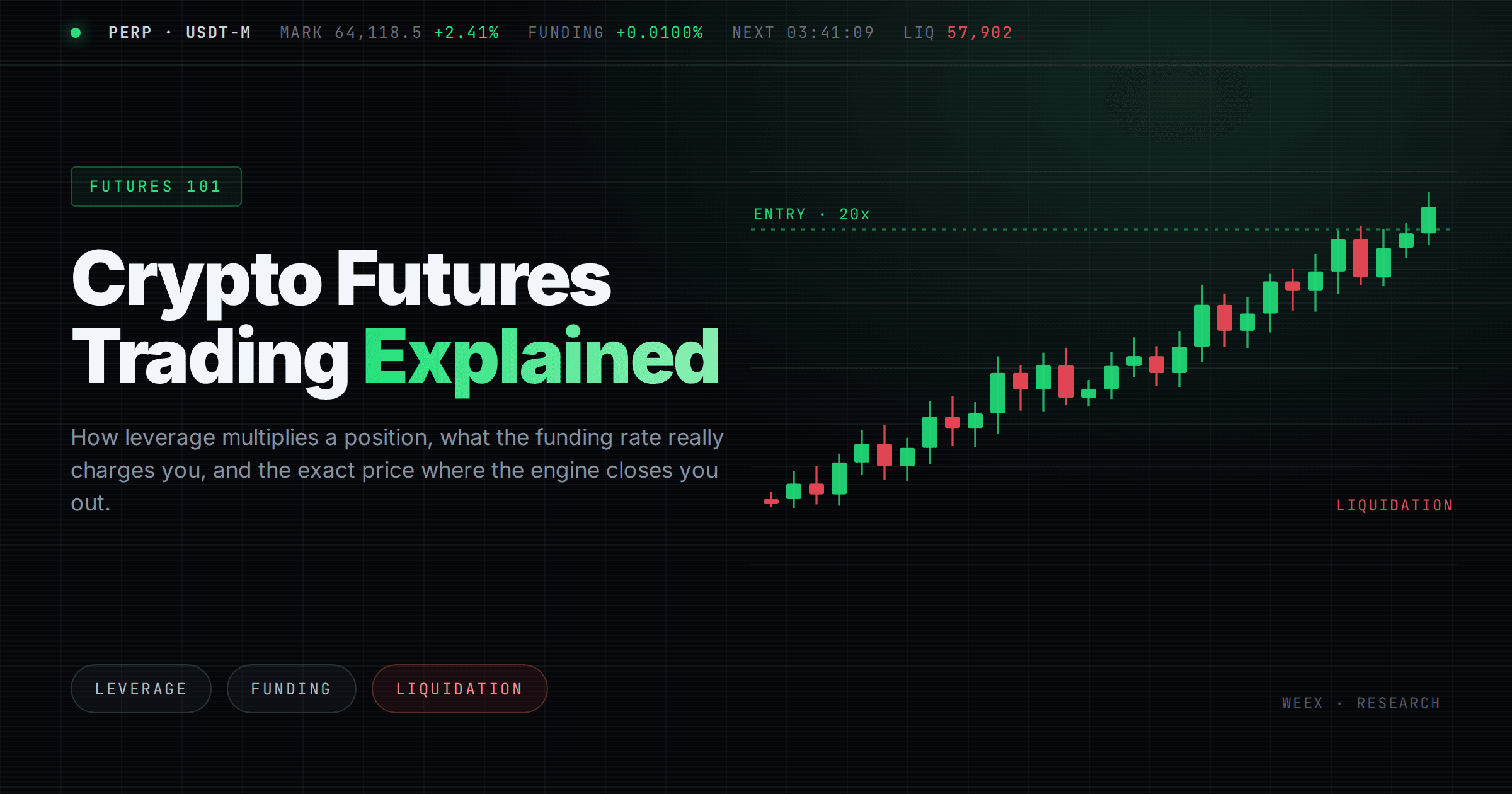
Futures Trading Fees Explained: A Complete Beginner’s Guide for WEEX

When trading futures on WEEX, understanding the fee structure is the first step toward becoming a profitable trader. Every time you execute a trade, the exchange charges a service fee based on whether you are a "Maker" or a "Taker." This guide breaks down these core concepts, explains the calculation formulas, and provides practical examples to help you manage your trading costs effectively.

The Core Concept: Maker vs. Taker

In any financial market, liquidity is the lifeblood that allows trades to happen smoothly. WEEX uses a Maker-Taker model to incentivize users to provide liquidity, ensuring that there are always enough orders in the book for others to trade against.

Maker Fees (Providing Liquidity)

A Maker is a trader who adds liquidity to the order book. When you place a "Limit Order" that is not immediately matched by an existing order, your trade sits on the book, waiting for someone else to fill it. Because you are helping the exchange by increasing market depth, you are rewarded with a significantly lower fee rate.

WEEX Maker Rate (VIP 0): 0.02%Taker Fees (Consuming Liquidity)

A Taker is a trader who removes liquidity from the order book. When you use a "Market Order" or a "Limit Order" that matches an existing price immediately, your trade is executed instantly. Since you are "taking" an available order away from the book, you pay a higher fee for the convenience of immediate execution.

WEEX Taker Rate (VIP 0): 0.08%

Actual fee rates depend on your account's tier. You can refer to the WEEX VIP Program fee schedules to see how your trading volume can further reduce these costs.

Futures Fees vs. Spot Fees: A Brief Comparison

While futures trading often offers lower percentage rates, the presence of leverage means the absolute fee amount can be higher compared to spot trading. On WEEX, spot trading fees are consistent for both order types at the entry level.

FeatureSpot Trading (VIP 0)Futures Trading (VIP 0)Maker Fee0.1%0.02%Taker Fee0.1%0.08%Calculation BaseActual assets tradedNotional value (Price × Qty)Leverage ImpactNoYes (Amplifies Fees)How to Calculate Your Trading Fees

The most important thing for beginners to remember is that futures fees are calculated based on the notional value (total contract value) of the trade, not just the margin you deposited. This means if you use leverage, your fees will scale with the size of your position.

The Universal Formula

Transaction Fee = Price × Quantity × Fee Rate

Calculation Examples on WEEX

Example 1: Opening a Position (Taker)

Imagine you want to buy ETH quickly using a Market Order.

ETH Price: 3,500 USDTQuantity: 0.1 ETHExecution Type: Taker (0.08%)Fee Calculation: 3,500 × 0.1 × 0.08% = 0.28 USDT

Example 2: Closing a Position (Maker)

Later, you decide to sell your BTC once it hits a specific profit target using a Limit Order.

BTC Price: 70,000 USDTQuantity: 5 BTCExecution Type: Maker (0.02%)Fee Calculation: 70,000 × 5 × 0.02% = 70 USDTHow to reduce futures fees?

There are three primary ways to lower your costs on WEEX:

Use Limit Orders: By becoming a Maker instead of a Taker, you can reduce your fee from 0.08% to 0.02%.Increase Trading Volume: Move up the WEEX VIP levels to unlock lower percentage rates.Strategic Entry/Exit: Avoid "Market Orders" during high volatility when spreads are wider and Taker fees are more impactful.Conclusion

Mastering the mechanics of Maker and Taker fees is a fundamental skill for any WEEX trader. By understanding that fees are based on total contract value and choosing your order types wisely, you can significantly reduce your overhead costs. Always factor these fees into your risk-to-reward calculations to ensure your trading strategy remains sustainable in the long run.

Spot vs Futures Trading Explained: Beginner Guide for WEEX

Choosing between spot and futures trading is the most fundamental decision for any crypto investor. This guide clarifies the mechanics, fee structures, and operational steps for both markets on WEEX. Whether you are looking for long-term asset ownership or seeking to amplify market moves with leverage, understanding these distinct paths is essential for navigating the digital asset landscape effectively.

Spot vs Futures Trading: Key Differences Explained

To trade with confidence, you must distinguish between owning an asset and speculating on its price. You can register on WEEX to access both markets through a single, secure interface.

Spot Trading: Direct Ownership

Spot trading involves the immediate purchase of a digital asset. When you buy BTC on the spot market, you own the actual coins. You can hold them in your WEEX account, move them to a private wallet, or use them for payments. There is no risk of liquidation; your only risk is the fluctuation in the asset's market price. This is the preferred method for long-term "HODLers" and those building a diversified portfolio.

Futures Trading: Leveraged speculation

Futures trading on WEEX focuses on predicting price movements rather than holding the underlying asset. The essence of contract trading is to use leverage to amplify your judgment on price fluctuations. This allows you to control a large position with a small amount of capital. You can go "Long" to profit from rising prices or "Short" to profit from falling prices. However, because leverage is involved, there is a risk of liquidation if the market moves significantly against your position.

How to Trade Spot and Futures: Step-by-Step Guide (WEEX Example)

Navigating the WEEX platform is designed to be intuitive for beginners. Below is a breakdown of how to execute trades in both environments.

How to Trade Spot on WEEX

For a detailed walkthrough, you can refer to the official How to trade spot on WEEX documentation.

Select a Trading Pair: Navigate to the Markets section and choose a pair like BTC/USDT.Understand the Interface: View the price chart and the order book to gauge market sentiment.Place an Order:Market Order: Buy immediately at the current best available price.Limit Order: Set a specific price at which you are willing to buy.Confirm and Monitor: Once executed, your assets will appear in your Spot Wallet.How to Trade Futures on WEEX

Trading futures requires a different approach to order entry. For more technical details, check the guide on how to trade futures on WEEX.

Entering by Quantity: If you open a position by quantity using USDT, the value you enter must be your Margin x Leverage. For example, if you wish to use 10 USDT margin with 100x leverage, you must enter 1,000 in the quantity field.Entering by Cost: When you order by cost, you enter the total opening cost (Margin + Fees). The system automatically calculates the closest possible position size.Rounding Note: Actual margin may differ slightly from your input as the system converts values into the nearest tradable integer units. Any remaining balance is kept in your contract account.Spot vs Futures Fees: How They Work and How to Calculate

Accuracy in cost calculation is vital for risk management. WEEX uses a transparent formula across both markets, though the rates differ based on the trading type.

The Formula: Transaction Fee = Price x Quantity x Fee Rate

WEEX Fee Comparison (VIP 0)Spot Fees: 0.1% for both Maker and Taker.Futures Fees: 0.02% for Makers and 0.08% for Takers.

Example 1 (Spot): Buying 1 BTC at 60,000 USDT costs 60 USDT in fees (60,000 x 1 x 0.1%). Example 2 (Futures): Opening a 10,000 USDT position as a Taker costs 8 USDT (10,000 x 0.08%).

For more complex scenarios, see the WEEX fee calculation guide.

Should You Choose Spot or Futures Trading?Spot vs Futures: Which Is Right for You

Your choice depends on your risk tolerance and goals. Spot trading is ideal for long-term, lower-risk asset growth, as you directly own the asset. In contrast, futures trading focuses on short-term speculation, offering higher potential returns but also significantly higher risk due to leverage.

Beginner Tips for Trading Futures on WEEX

To trade futures more safely on WEEX, follow these essential guidelines:

Use Isolated Margin: Limit risk to a single position without affecting your full balance.Keep Leverage Low (1x–5x): Reduce the chance of rapid liquidation.Control Position Size: Risk no more than 20% of your total capital per trade.Set Stop Loss and Take Profit: Protect your funds and lock in gains.Use Limit Orders (Maker): Lower fees and avoid slippage.Stay Disciplined: Avoid overtrading and monitor the Funding Rate to reduce unnecessary costs.Conclusion

Understanding the interplay between spot ownership and futures speculation is key to a balanced crypto strategy. While spot trading offers a safe haven for asset accumulation, futures trading provides the leverage needed to capitalize on small market movements. By optimizing your order types—becoming a Maker where possible—and choosing the market that aligns with your risk appetite, you can effectively navigate the WEEX ecosystem. Always prioritize risk management and use the educational resources available to refine your approach as the market evolves.

DISCLAIMER: WEEX and affiliates provide digital asset exchange services, including derivatives and margin trading, only where legal and for eligible users. All content is general information, not financial advice-seek independent advice before trading. Cryptocurrency trading is high risk and may result in total loss. By using WEEX services you accept all related risks and terms. Never invest more than you can afford to lose. See our Terms of Use and Risk Disclosure for details.

Vote the team you support & Win bonuses, airdrops, VIP tickets, etc.
Click and Share $500,000

Popular coins