
 Buy Crypto
- Markets
 Futures
- Spot
- Copy Trade
- Earn
- More
The Reshaping of Mining: Computing Power as Tomorrow’s Digital Asset

Key Takeaways:
- Electricity cost is more crucial than hash rate in deciding cryptocurrency mining profitability.
- The blockchain halving mechanism aims to sustain currency scarcity by regulating issuance.
- Merge mining allows simultaneous mining of multiple cryptocurrencies, providing added security and cost benefits.
- Deployment of innovative cloud mining platforms like KuMining is enhancing individual investor access to mining power.
- Evolution from CPU to ASIC miners has raised barriers but tremendously boosted efficiency.
WEEX Crypto News, 2026-03-15 18:15:51
The Energy Dynamics in Cryptocurrency Mining
Electricity determines the profitability of cryptocurrency mining more than any other factor. While hash rates and the number of mined coins are often discussed, the key variable lies in the cost of electricity consumed. In environments where power costs are minimal, miners can maximize their returns, making regions like Texas, Kazakhstan, and parts of China ideal for mining operations. The necessity for cost-effective electricity becomes evident, as mining rigs are constantly active, requiring substantial power to maintain operations.
Understanding the Halving Mechanism
btc-42">Bitcoin introduced the Halving Mechanism, a pivotal component in maintaining the currency’s diminishing supply rate. Approximately every four years, this mechanism halves the rewards given to miners for processing transactions, hence controlling inflation. By doing so, it replicates scarcity similar to precious metals, which can enhance demand and value over time. It’s fundamental for cryptocurrency stakeholders to understand this as it impacts both future yields and market strategies.
Regulatory Faces of Cryptocurrency Mining
Mining legality varies worldwide, influenced by local regulations concerning energy usage, noise pollution, financial compliance, and taxation of mining income. Small-scale miners need to be acutely aware of these requirements as non-compliance could lead to significant penalties. The regulatory landscape shifts constantly, making it essential for miners to stay updated on these legal frameworks to operate smoothly.
The Pros and Cons of Merge Mining
Merge Mining, or auxiliary proof-of-work (AuxPoW), enables miners to work on two cryptos concurrently without additional computational effort. This methodology permits a blockchain to harness the security of a more solid chain—generally its parent blockchain. It offers cost-free extra rewards, stronger security, and is inclusive to new miners. However, constraints in mining algorithms, dependency on mining pools, and risks of centralization remain notable challenges.
KuCoin’s Cloud Mining Initiative: KuMining
KuCoin’s launch of the cloud mining platform KuMining represents a shift towards democratizing mining power for individual investors. By utilizing a global network of compliant mining farms, it provides real mining power for both Bitcoin and Dogecoin. Utilizing ElphaPex DG series for merged mining, the initiative ensures scalable capacity by consistently adding liquid-cooled machines. This not only opens avenues for individual investors but also reinforces decentralized operations, thus enhancing transparency and security.
The Evolution of Mining Hardware
Initially driven by CPU mining at Bitcoin’s inception, the mining hardware landscape evolved through GPU, FPGAs, to ASIC miners, marking leaps in processing capabilities and energy efficiency. ASICs, though significant in power, have also raised entry barriers due to their cost and complexity. However, they remain unrivaled in terms of output and efficiency, driving the mining industry forward despite the challenges posed by increased hardware specialization.
Strategic Acquisition of Dogehash by Thumzup
The acquisition of Dogehash Technologies by Donald Trump’s son’s holding company Thumzup signifies a noteworthy movement within the mining industry. With Dogehash’s strategic alignment with ElphaPex in technology, and its reliance on renewable energy, the firm has positioned itself at the forefront of industrial-grade Dogecoin mining. This acquisition highlights the interest from traditional sectors in the lucrative potential of cryptocurrency mining, especially in environmentally sustainable formats.
Into the Future: Trends and Expectations
The future of cryptocurrency mining will likely emphasize energy efficiency, innovative technology adoption, and regulatory compliance. Breakthroughs in computing power, driven primarily by advanced algorithms and hardware, will dictate the competitive landscape. As infrastructures evolve towards cloud-based decentralization, platforms like KuMining will set precedents for enhanced transparency and accessibility. The sector will continue to mature with a focus on not just profitability, but also sustainability and legality.
FAQs
What is the main factor affecting cryptocurrency mining profitability?
Electricity costs are the principal determinant of mining profitability. While the hash rate is crucial, minimizing the power expenses offers a more significant impact on returns.
Why is the halving mechanism important in cryptocurrencies?
The halving mechanism controls the inflation of cryptocurrencies by reducing the block reward given to miners, thereby sustaining scarcity and potentially increasing asset value over time.
How does merge mining work?
Merge mining allows miners to mine two cryptocurrencies simultaneously without extra effort, leveraging security from a stronger parental blockchain. It benefits miners with additional rewards and provides stronger security to the participating chains.
What does KuMining offer to individual investors?
KuMining provides access to real mining power for various cryptocurrencies, using globally compliant infrastructure and ElphaPex technology, promoting decentralized operations and real-time monitoring.
How has mining hardware evolved over time?
Mining hardware evolved from CPU-based to ASIC miners, with each stage improving hashing power and energy efficiency, albeit increasing the entry difficulty due to complexity and cost.
By understanding these key components and dynamics, participants within the crypto sector—from individual miners to large entities—can navigate the intricacies of this digital era with greater clarity and insight. The themes of efficiency, regulation, and innovative infrastructure will continue shaping the landscape of cryptocurrency mining well into the future.
You may also like
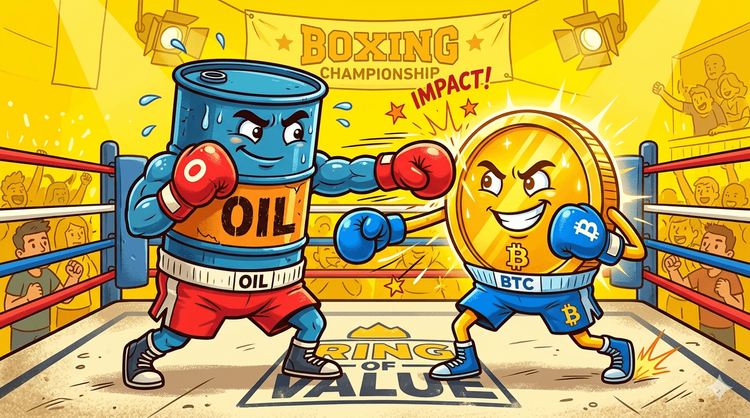
How the US-Iran War Could Affect Oil and Bitcoin Prices (Latest Analysis)
The outbreak of the US-Iran war on February 28, 2026, has provided an unprecedented real-time laboratory for understanding how geopolitical oil shocks interact with an increasingly institutionalized cryptocurrency market. This article examines the relationship between crude oil prices and Bitcoin throughout the conflict, analyzing price movements, correlation patterns, and the underlying transmission mechanisms.

OpenAI Wants to Write Its Own Rules|Rewire News Brief

Chaos Labs Exits, Who Will Pick Up Aave's Risk?
Stealthy Financial War? Iran Collects Strait Transit Fees in Stablecoin

OpenAlice: One Person, That's a Jane Street | Project Overview

The Small-Town Youth Labeling Big AI Models

Morning Report | Strategy increased its holdings by 4,871 BTC last week; Toss plans to develop its own blockchain and issue a native cryptocurrency; OpenAI's CFO privately questioned the timing of the IPO in 2026

Research: Stablecoins have a trading volume of 35 trillion a year, how much of it is real payment?

Galaxy Research: AI agents are giving rise to new species on the blockchain, how zero-human companies activate the financial flywheel

Data Research: How big is the liquidity gap between Hyperliquid and CME crude oil?
Why Are GPU Prices Skyrocketing Out of Control?

How to Master Claude Cowork Completely?

70-Page Confidential Letter Alleges First Charge of 'Lying,' Altman Tells Board 'I Can't Change My Personality'

Is Altcoin Season Starting in 2026? What Traders Should Watch Now
Altcoin season signals are becoming clearer in 2026 as capital rotation across crypto markets accelerates. Here’s what traders should watch and how strategy-based participation is evolving in the current market cycle.
Bitcoin ETF Inflows in 2026: Impact on BTC Price and Crypto Market Trends
Bitcoin ETF inflows are reshaping BTC price trends and crypto market liquidity in 2026. See how institutional capital is influencing volatility, trading behavior, and portfolio allocation strategies across crypto markets.
Visa's Stablecoin Strategy: Cards, Settlement, and the Future

Stock Market Split

How to capture the next Alpha in the narrative of predictive markets?
How the US-Iran War Could Affect Oil and Bitcoin Prices (Latest Analysis)
The outbreak of the US-Iran war on February 28, 2026, has provided an unprecedented real-time laboratory for understanding how geopolitical oil shocks interact with an increasingly institutionalized cryptocurrency market. This article examines the relationship between crude oil prices and Bitcoin throughout the conflict, analyzing price movements, correlation patterns, and the underlying transmission mechanisms.


 App
App