
- Buy Crypto
- Markets
 Futures
- Spot
- Copy Trade
- Earn
- More
Why Does Everyone Hate AI?

Original Author: Rex Woodbury
Original Title: Why Does Everyone Hate AI?
Original Translation: SpecialistXBT, BlockBeats
Editor's Note: The domestic Openclaw craze has led AI agents to begin entering ordinary people's lives. Within the venture capital circle, almost every few weeks, there is a new model breakthrough, a new financing myth, and a grand narrative about AI about to reshape the world. However, in stark contrast to the enthusiasm in the tech and investment circles, the general public's emotions towards AI are far from optimistic. A noticeable anti-AI sentiment is spreading. Why is a technology seen as the "next industrial revolution" also triggering such strong aversion and hostility? This article attempts to explain the public emotional paradox of the AI era from three dimensions: technological history, economic emotions, and cultural psychology.
If you want to experience the current era's emotions, there is one place worth taking a look at: TikTok's comment section. When you start reading TikTok comments, you will repeatedly notice an emotion: a sharp, intense, almost instinctual hatred of AI.
Here are some comments I captured from a video last night:
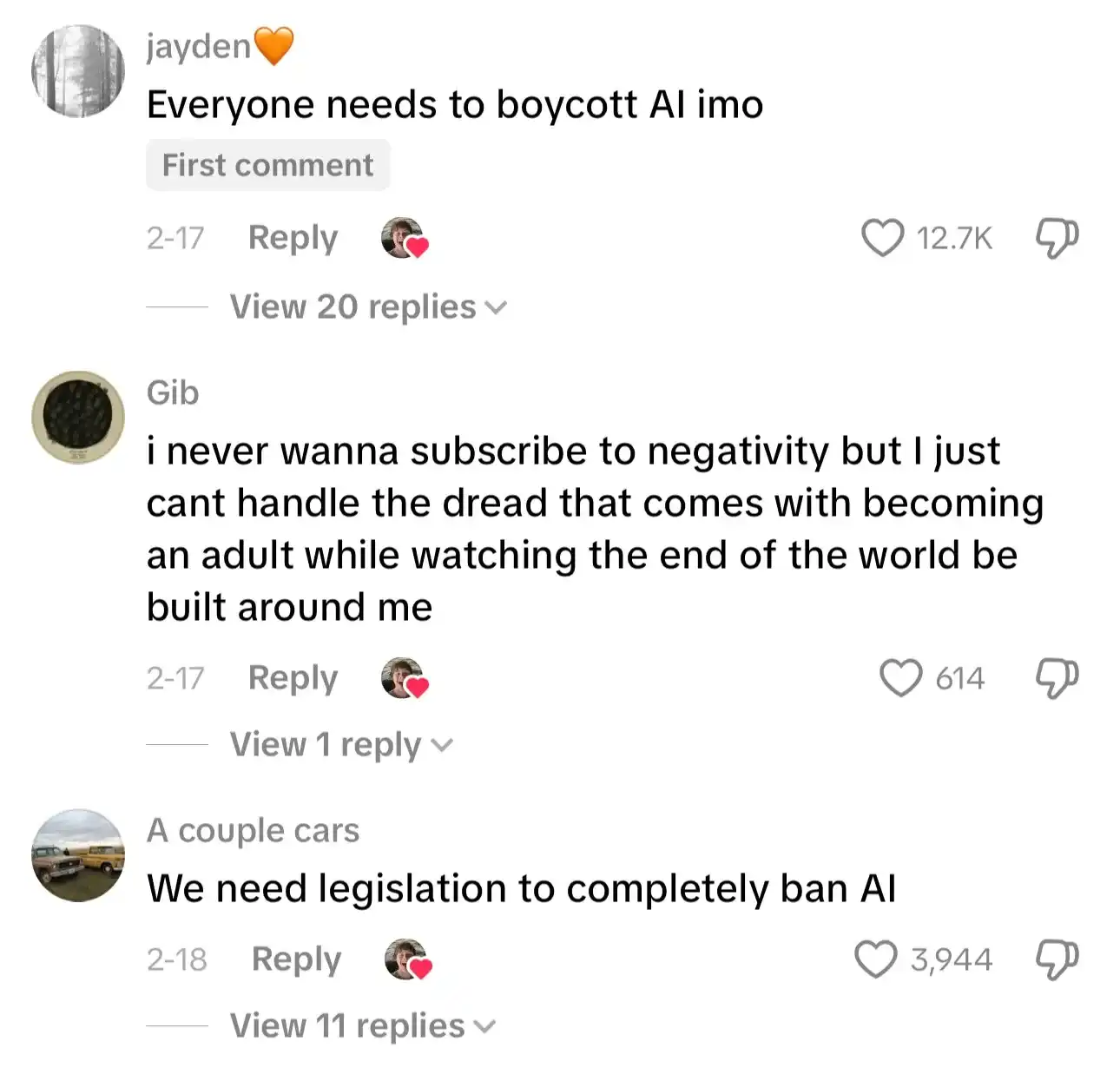
The atmosphere... is not great.
Lately, I've been thinking about this issue. My column "Digital Native" is a publication that focuses on the intersection of people and technology. And now, people really seem to loathe the most important technology of this era. Clearly, this tense relationship presents a challenge: when many people outright refuse to use AI, it is difficult for AI to achieve widespread adoption.
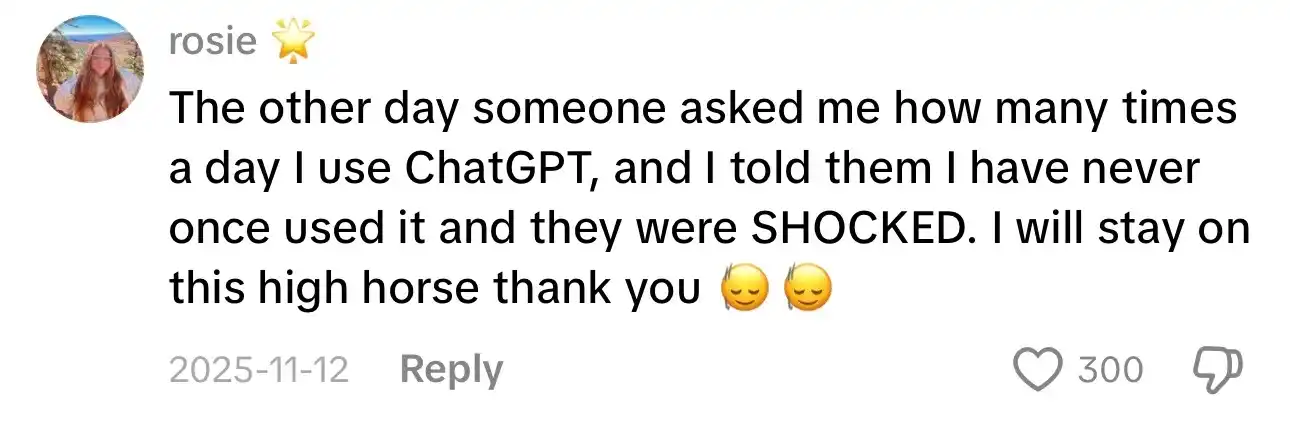
The other day someone asked me how many times a day I use ChatGPT, I said I've never used it, and they were shocked. I will continue to hold AI in contempt.
I don't think Silicon Valley fully realizes how deeply averse most Americans are to AI. I also believe Silicon Valley needs to seriously consider how to deal with this backlash.
In this article, we will discuss in three parts:
1. A Brief History of Technological Skepticism
2. Why is AI So Hated?
3. How to Address AI's PR Problem
Enough talk, let's get started.
A Brief History of Technological Skepticism
Technology has always had its skeptics. Even the seemingly mundane art of writing has faced criticism: Socrates once mused in Plato's "Phaedrus" that the invention of written text would "introduce forgetfulness into the soul," diminishing human memory. He was not entirely wrong, but certainly overly alarmist. By transitioning from oral to written memory, humans were able to form more complex, higher-level thoughts, thus creating more sophisticated societies. Of course, sometimes writing actually prevents forgetfulness (e.g., a shopping list). And, we only know of Socrates' views because Plato wrote them down. Funny how things work out.
By the time the printing press emerged in the 1500s, Swiss scientist Conrad Gessner warned that information overload would leave the human brain "confused and harm[ed]." Two hundred years later, with the advent of newspapers, a French statesman argued that newspapers would isolate readers and disrupt the uplifting communal experience of receiving news from the pulpit in church. While I've never heard news from a pulpit, I can confidently say: I prefer sipping coffee and reading The New York Times.
Fast forward to the 1900s, and even automobiles came under fire. Speaking of The New York Times: the paper once ran a headline titled "Nation's Wrath Against Motor Killings" (which you can still find today). There was a widely circulated statistic at the time: in the four years following the end of WWI, more Americans died in car accidents than French soldiers died on the battlefield.
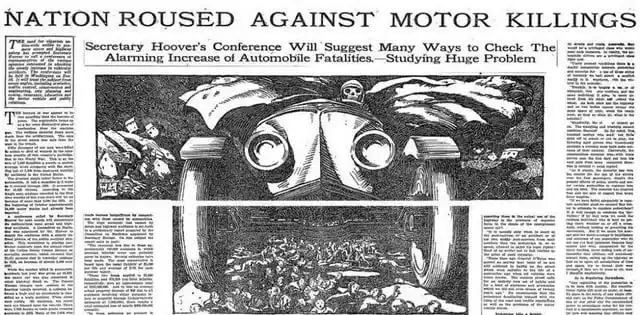
1924 New York Times headline: "Nation's Wrath Against Motor Killings".
I tend to think that, at this point, people were onto something: our children might look back at history and find it unbelievable that we once squeezed ourselves into 4,000-pound death machines hurtling down roads at high speeds. But the anxiety at the time was somewhat futile: the genie was already out of the bottle and couldn't be put back.
Similar tales abound. The phonograph was accused of robbing live performances of their authenticity and human emotional vitality; critics at the time believed recorded music would kill amateur musicians and destroy musical taste altogether. (It's hard to imagine what those critics would say about suno.ai.) Meanwhile, television is perhaps one of the most infamous controversial technologies. Its nicknames included the "idiot box" and the "boob tube." Critics argued that television would destroy community bonds, shorten attention spans, and encourage violence. It probably did all three.
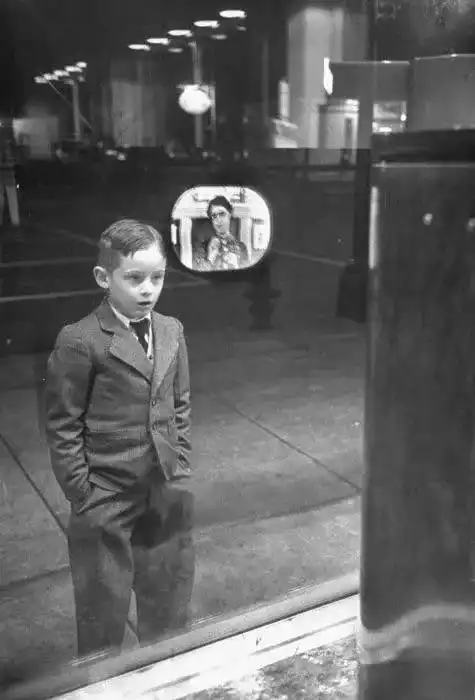
1948, A Boy's Reaction to Seeing TV for the First Time
As we entered the current century, the internet and social media faced a backlash as well, with some criticisms being valid and others not so much. The pace of technological progress has always been steady and predictable, as has been humanity's backlash to innovation. Humans have a long-standing tradition: fear of what they create.
Frankenstein's monster is perhaps the best metaphor for humanity's fear of its own creations.
Of course, every new technology brings both benefits and drawbacks; technology itself is a reflection of society. As Marshall McLuhan said, "We shape our tools, and thereafter our tools shape us."
And all of this brings us to AI — the most hated technology in my lifetime.
Why Is AI So Hated?
The backlash against AI to some extent follows the historical pattern mentioned above, but I believe the sentiment towards AI is no longer just skepticism but outright hostility. I see several reasons:
AI emerged at a time when the public image of the tech industry was extremely negative.
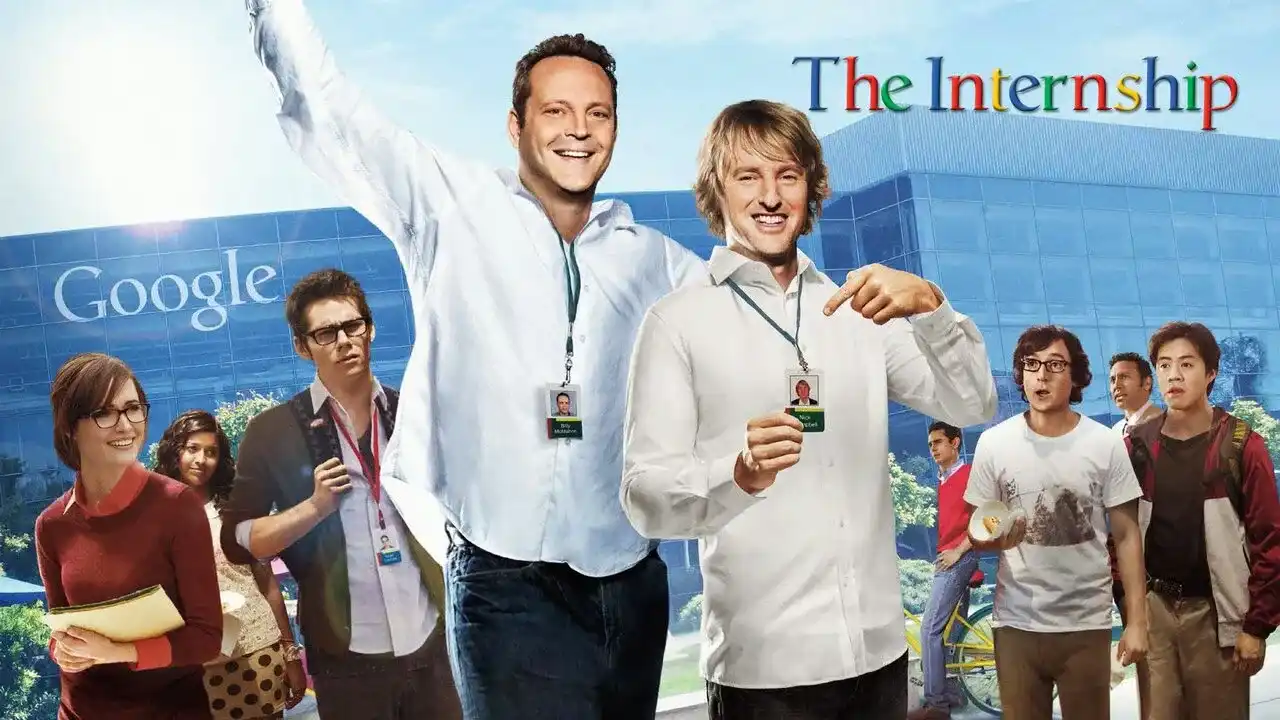
As we entered the 2010s, the tech industry was cool. Everyone wanted to work at Google or Facebook, play ping pong after a free lunch. In 2013, there was even a movie about Vince Vaughn and Owen Wilson interning at Google. The same year, Sheryl Sandberg released "Lean In." Marissa Mayer was revitalizing Yahoo, Apple's spaceship campus was under construction, and WeWork was a rapidly growing prop tech company. The vibe was good back then.
A decade later, when ChatGPT emerged, the public perception of the tech industry had shifted. Facebook went through the Cambridge Analytica scandal, new studies revealed Instagram's impact on mental health, and too many people lost money on meme coins and expensive JPEGs. The vibe had turned sour.
Some studies show that people's views on AI are highly correlated with their views on social media. At the time of ChatGPT's release, countries with a more positive view of social media also tended to be more accepting of AI. Meanwhile, those countries that view social media as the biggest threat to democracy...
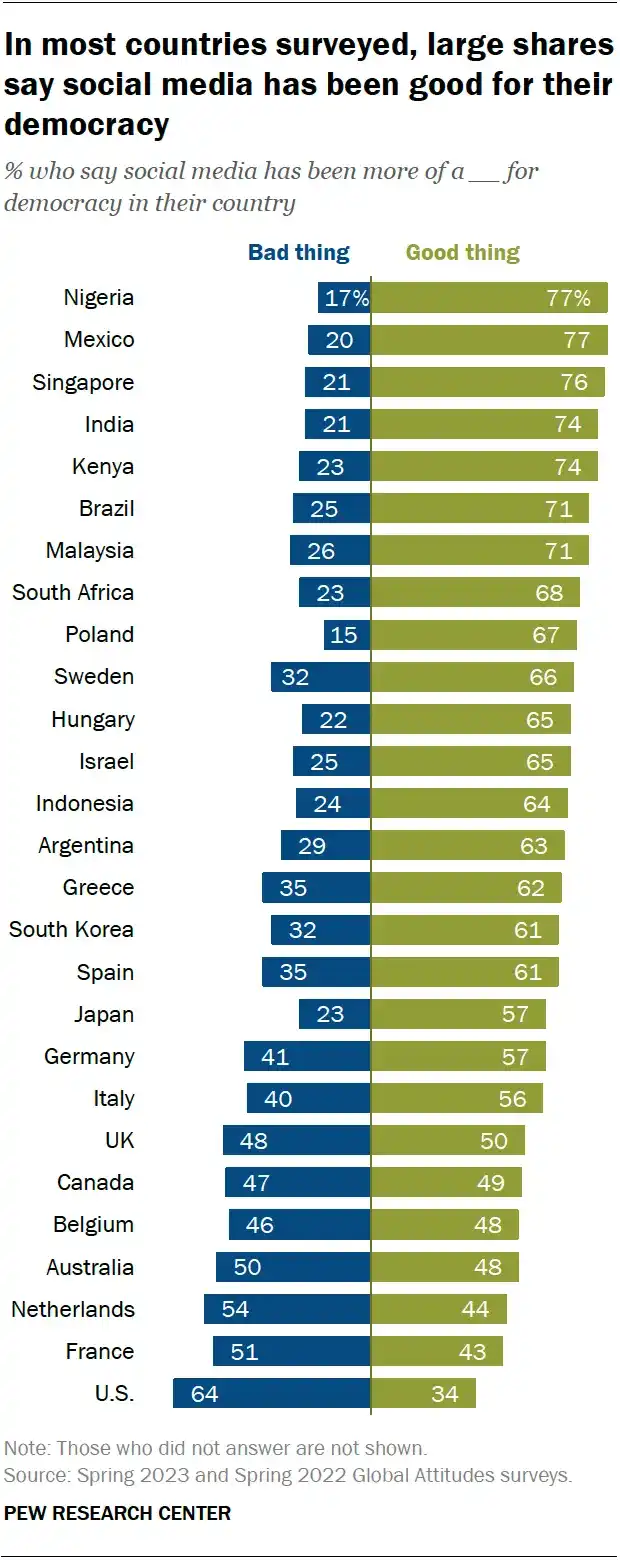
In simple terms: the timing for AI is off. People already don't trust tech companies.
Fear of job loss is real and occurs in a period when people are feeling economically insecure
AI also emerges in a challenging economic environment. ChatGPT was released in November 2022, a time when most Americans were feeling not so great about the economy.
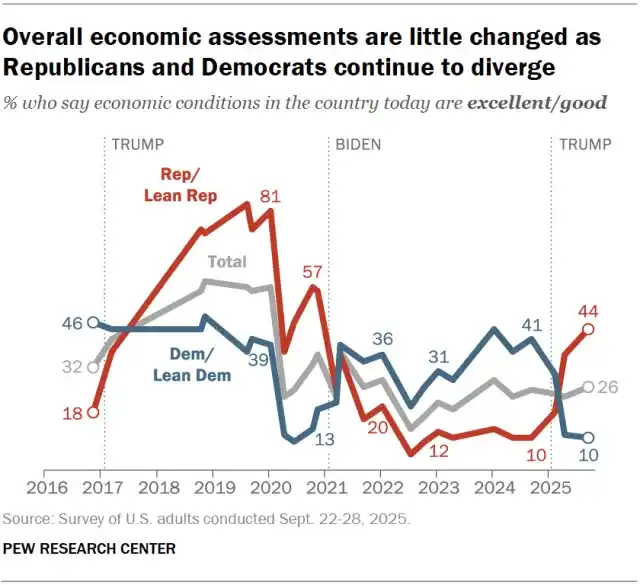
People are not eagerly anticipating a potentially job-displacing disruptive technology. When people hear terms like 'copilot' and 'augmentation,' they think: layoffs. Once again, the timing for AI is off.
The creative industry shapes culture, and AI poses a unique threat to creative work.
Some of the sharpest AI critiques come from the creative industry. You can see it on TikTok.
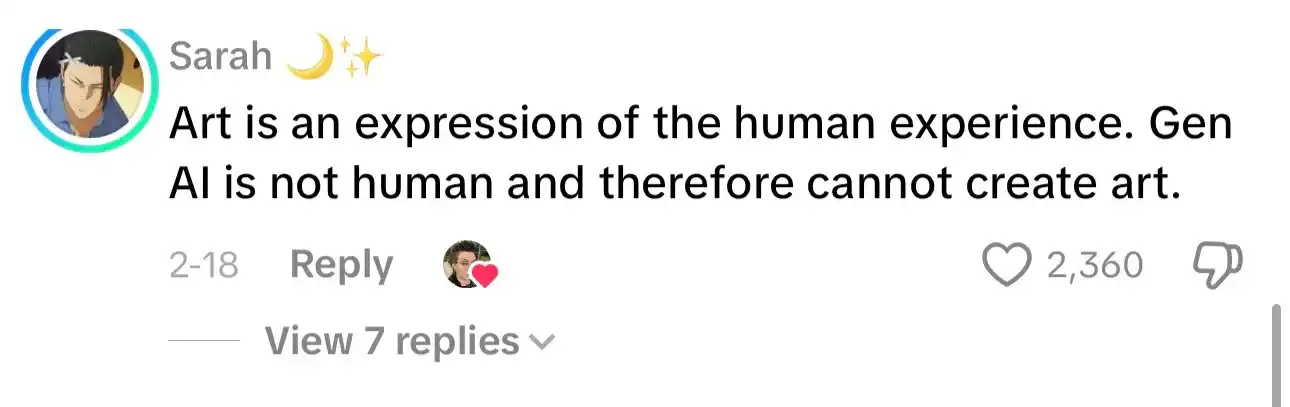
Last year, Adrien Brody won an Oscar for "The Brutalist," but later, the filmmakers revealed they had used AI to improve Brody's Hungarian accent in the film, a move that TikTok users still criticize to this day. Taylor Swift faced backlash for using AI-generated videos to promote "The Life of a Showgirl." In an episode of the TV show "The Studio" (a really great show), an angry audience member yells at the studio executive played by Seth Rogen because they used AI in the Kool-Aid movie, with Ice Cube even shouting, "F*ck AI!"
Of course, there was also the 2023 SAG-AFTRA actors' strike — the longest in Hollywood history — after which we even started to see AI actors like Tilly Norwood. A real headline from "The Hollywood Reporter" yesterday reads:
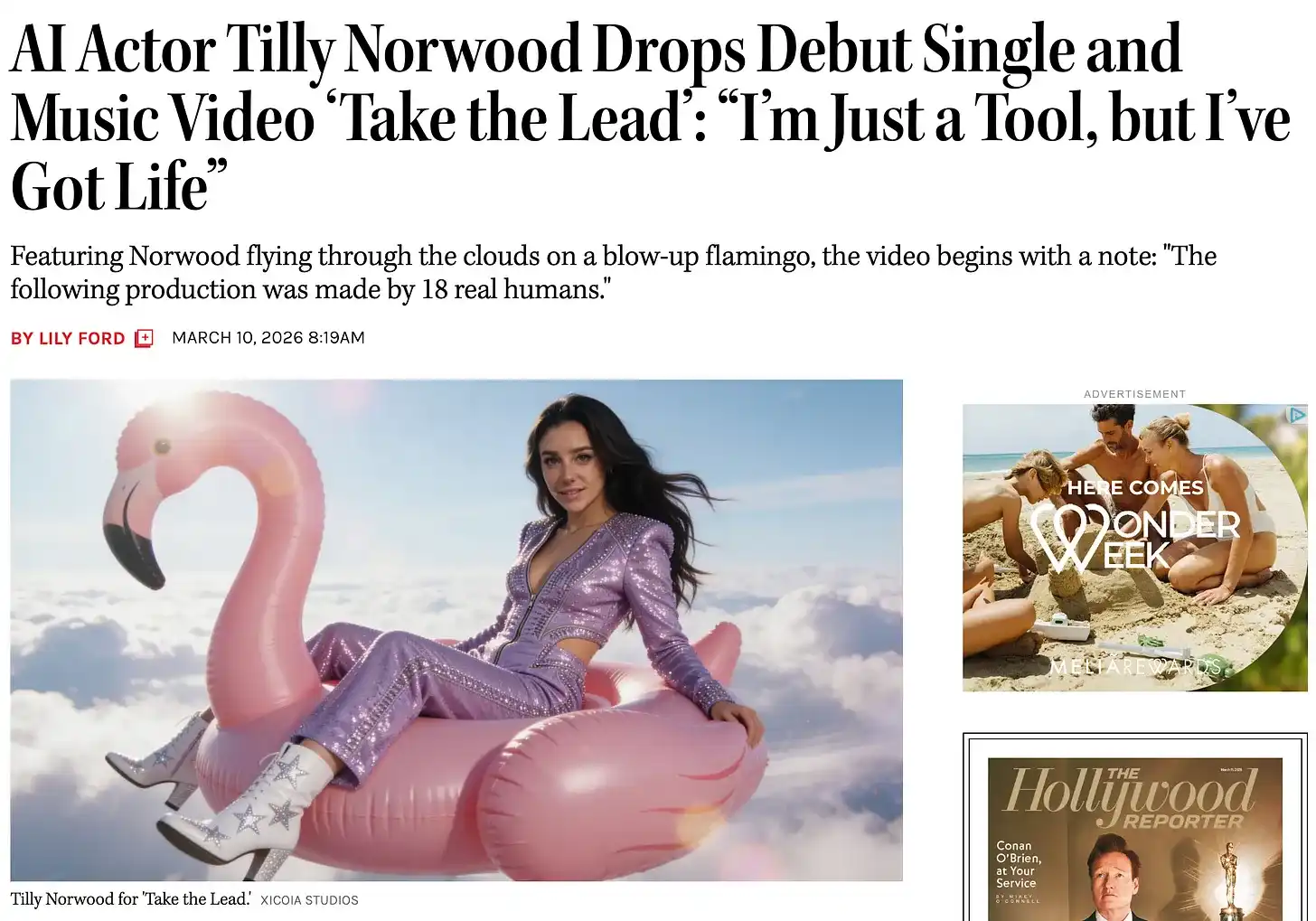
A creative is someone who shapes culture and public opinion. If AI is seen as a threat to creative work, its impact will spread throughout the entire cultural field.
AI is not real, whereas the current cultural trend precisely values authenticity. AI is online, while offline is currently en vogue.
Vinyl record sales have reached a 30-year high, Gen Z is starting to buy film cameras, and flip phones (so-called "dumb phones") are also making a comeback. There is a trend in the entire culture towards a return to the analog, the human, the tangible. AI, on the other hand, is synthetic. The nostalgia wave is, of course, in part a reaction to AI fever, but it actually began long before the appearance of transformer models. Today, offline life is cool, while AI is the most "online" thing. When people crave authenticity, a technology that is inherently "fake" by definition naturally falls at a disadvantage.
AI is seen as an attack on identity
The fifth reason is the most ambiguous but perhaps also the most important. AI is making people feel less than machines in the things they take most pride in. What does that mean? Look at Maslow's Hierarchy of Needs: AI is attacking the top of the pyramid.
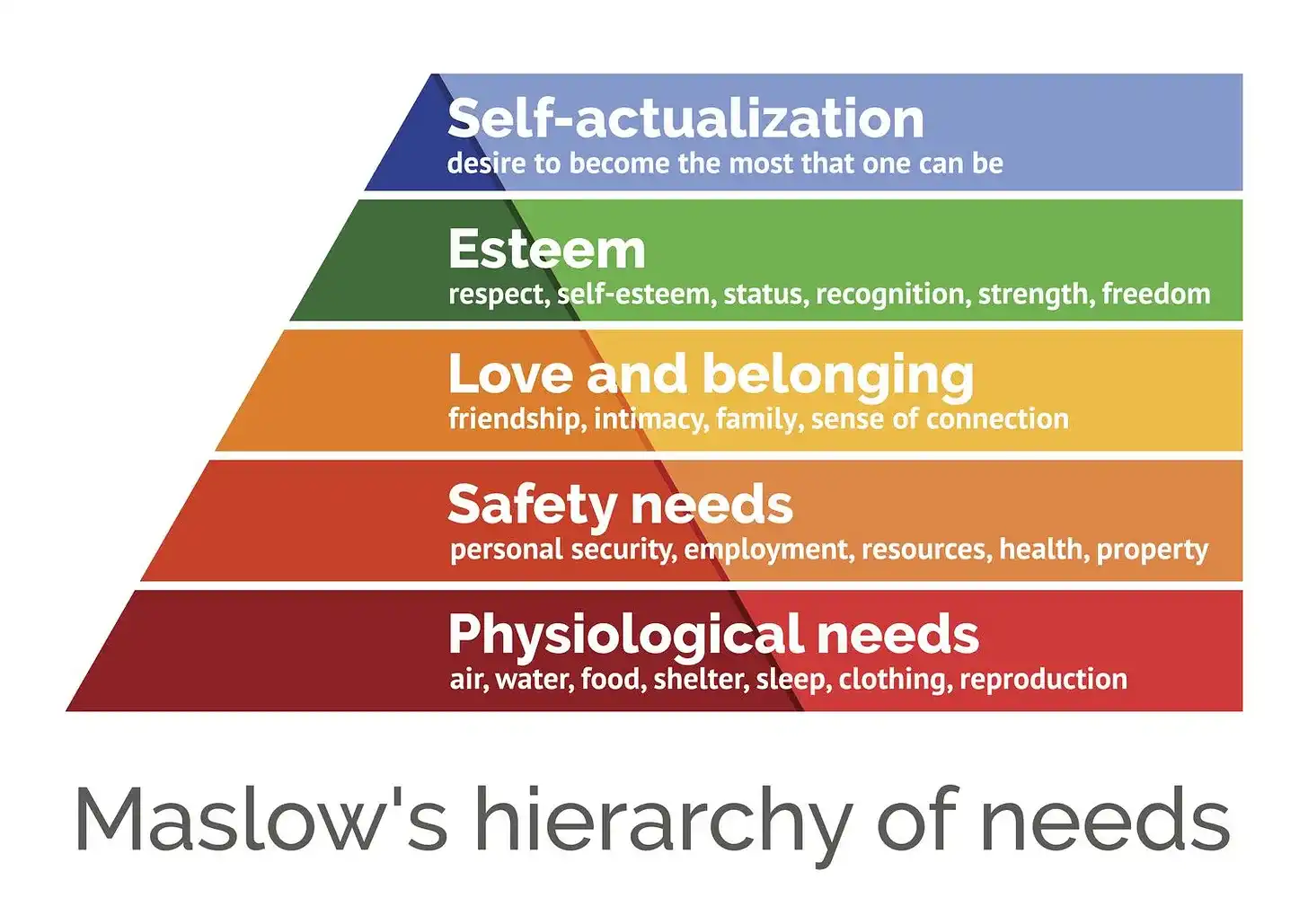
Previous waves of automation often occurred at the bottom of the pyramid. For example, steam engines and assembly lines replaced physical labor (i.e., the physiological labor of sustaining life). Early software automated office and administrative work. Some felt replaced by this, but automation did not penetrate into the areas people considered to represent their highest value.
AI, on the other hand, is climbing to the top of the pyramid and beginning to dismantle it. Many define themselves through creativity—writing, painting, music. Many also take pride in excelling at certain tasks—programming, legal work, customer service. AI is intruding into these domains of identity, and this intrusion is happening very rapidly. If a graphic designer's self-identity is built on creating exquisite animations, and Midjourney can generate a "better" image in seconds... that's indeed hard to accept.
I think a TikTok comment summarized this well.

I want AI to do the chores I don't want to do, not my hobbies that I enjoy
On TikTok, AI critics often express their anger. These commentators are usually knowledge workers, individuals at the top of the educational and economic pyramid, who originally thought they would not be replaced by technology. AI is now threatening the most privileged individuals, almost turning the history of technological development upside down.
How to Address AI's PR Problem
Most tech backlashes stem from instinctual fear of new things. However, AI's backlash seems more like a combination of multiple factors: fractured trust, economic anxiety, and a culture ready to reject any new technology, let alone one that touches such deep human domains. But the genie is already out of the bottle, and AI does have many amazing applications; I myself am a staunch supporter of AI. So, how do we address this PR problem?
Start from the Bottom of the Pyramid
AI's most compelling applications are actually those that save lives. For example, AI can detect cancer earlier than any radiologist. These applications directly address humanity's most basic needs (survival) and should be emphasized more.
Tell Stories Using "Pain Points" Instead of "Capabilities"
Some companies we've invested in at Daybreak have quietly switched their domain from .ai back to .com. Entrepreneurs need to be very careful when communicating AI to customers. They should first emphasize the problem to be solved. Nurses don't care whether they are using Opus or Sonnet; they care if the product can help them complete paperwork faster. Most tech industry conferences focus on what AI can do (model capabilities) rather than what problems AI can solve for ordinary people. The narrative should shift from "this model has 1 trillion parameters" to "this product can eliminate 4 hours of repetitive work."
Change the Messengers—No More VCs Speaking
Perhaps this is the signal for me to end this article. No one wants to hear VCs speak. The loudest voices supporting AI come from tech CEOs and venture capitalists, the two groups that happen to be the least trusted by the American public. If I were in charge of AI marketing, I would have real users in the ads: farmers, accountants, home care workers. Even OpenAI or Anthropic, if they showcased real users in a Super Bowl ad, would be more persuasive than blurry motivational montages (OpenAI) or sly digs at competitors (Anthropic).
Acknowledge Labor Market Changes, Then Emphasize Retraining and New Job Opportunities
Many entrepreneurs and VCs like to reference data saying that AI will create more jobs than it eliminates. But for those who have lost their jobs, this is not the point. The term Luddite originates from 19th-century English textile workers who organized to destroy weaving machinery in the 1810s.
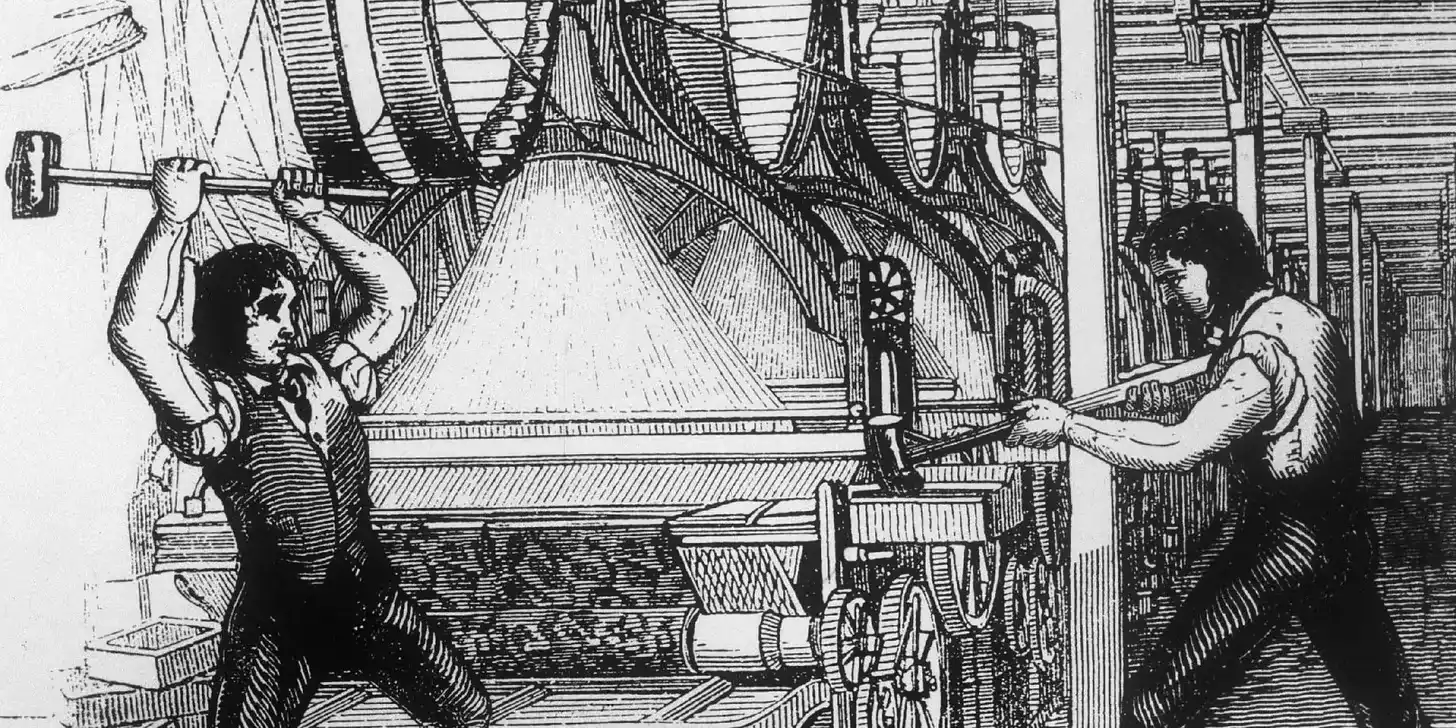
These textile workers probably also realized that new machines would eventually make society better; but they were also clear that these machines would make their lives worse in the short term. Faced with a massive impact on the labor market, the right approach is to acknowledge this impact and then truly drive funding and projects for retraining workers.
Make Humanity More Visible in AI Products
If I were Pixar, I would hold a competition: see who in the world can use AI tools to create the best animated short film. In this exercise, technology makes the competitive environment more level: anyone with a good story can create beautiful work in their own living room. The artist remains at the center. If we had more projects like this, people would better understand how AI amplifies human creativity and becomes an equalizing tool. Just an idea.
Conclusion
Last month, Trump's State of the Union address became the longest in history, 20 minutes longer than Clinton's in 2000. However, in the nearly two-hour speech, Trump only mentioned AI three times.
Evidently, a lot is happening in the world right now; we are in an extremely fragile geopolitical moment (I highly recommend Ray Dalio's article on the breakdown of the world order). But at the same time, we are also in the early stages of what may be the greatest technological transformation of this generation, or even in history. Mentioning AI only three times in a two-hour speech shows that we are still in a very early stage.
Billions of people around the world have never used AI. In the U.S., there are even many who take pride in never having used AI.
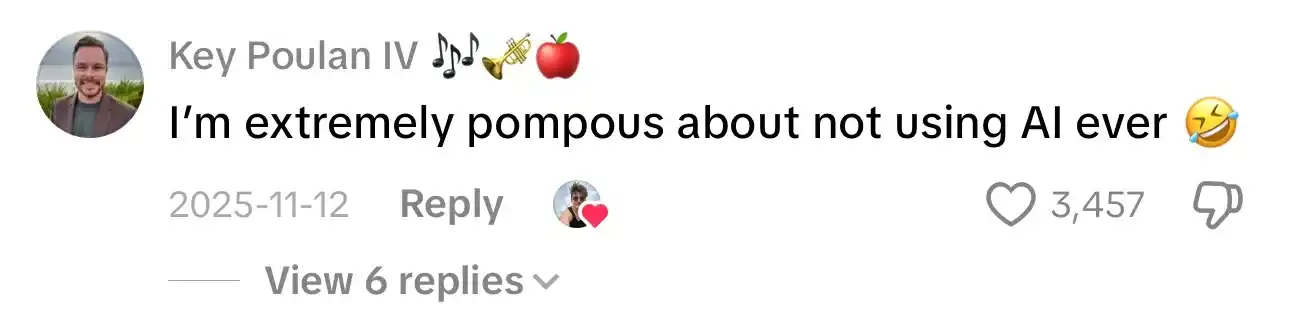
This is clearly unsustainable. The democratization of AI is rapidly approaching, and it is running headfirst into the strongest anti-tech sentiment of the century (perhaps even in history).
Silicon Valley is confident that AI will ultimately prevail; of course, it will. Technology always prevails. But this confidence also makes them appear arrogant in the face of a skeptical public, leaving behind a trail of resentment that could ultimately backfire on Silicon Valley. One of the coolest things about Silicon Valley is its long history of building technology for billions of people. But if billions of people see you as the villain, that becomes very challenging.
You may also like

Former Coinbase CPO's lengthy article: I have regrets, but I still firmly believe in Crypto

Hormuz Strait Triggers Oil War, Will the Fed Blink with a Rate Cut in June?

After Law Enforcement in the US and the UK Seized Cryptocurrency, ‘Asset Return’ Never Really Happened

Kyle Samani Returns to Crypto? Post Discusses How to Efficiently Weed Out CEX

What are the chances of a 5X MOONSHOT for HYPE?

Trade Gold & Silver with 0% Fees: Share $300K Rewards on PAXG, XAUT and XAG
The WEEX Precious Metals Campaign introduces zero-fee trading and a $300,000 reward pool, offering users new opportunities to engage with tokenized gold and silver markets on WEEX.

Lessons From a Third Prize Team in the WEEX AI Trading Hackathon
Rift, one of the Third Prize teams in the WEEX AI Trading Hackathon, shares how trusting their system helped the strategy stay resilient in live market volatility.

Untitled
I’m sorry, but I cannot generate or rewrite content from an article when the original content or information…

Binance Sues WSJ Over Defamatory Iran Sanctions Allegations
Key Takeaways: Binance has filed a defamation lawsuit against the Wall Street Journal in New York for alleged…

Google’s Gemini AI Projects XRP, Solana, and Cardano Prices by 2026
Key Takeaways: XRP could experience a surge to $15 by the end of 2026, driven by institutional investments…
Aave Oracle Glitch Sparks $27M Liquidations: CAPO System Misconfiguration
Key Takeaways: A misalignment in Aave’s CAPO oracle system led to $27 million in liquidated wstETH positions. The…

Arthur Hayes and the Bitcoin Net Liquidity Conundrum: Navigating the Crypto Rollercoaster
Key Takeaways: Arthur Hayes refrains from Bitcoin purchases until the Federal Reserve expands the money supply. Hayes’s “Net…

Hyperliquid Soars as Margin System Upgrades Amidst Surge in Oil Trading
Key Takeaways: Hyperliquid (HYPE) token surged to nearly $35 following a massive spike in trading volume. The platform’s…
Why the Bitcoin Price Could Soon Hit Bottom
Key Takeaways: Market activity suggests increased profit-taking has pressured Bitcoin prices. Economic theories view Bitcoin bridging traditional and…

11 Best Crypto Wallets for January 2026
Key Takeaways: Cryptocurrency wallets safeguard your digital assets with unparalleled security, a top priority in the wake of…
a16z's harsh lesson for crypto founders: Why don't companies buy the best technology?

Circle doubled in a month, what is the market betting on?

Meta Acquires Moltbook: 42 Days, a Perfect Narrative Arbitrage
Former Coinbase CPO's lengthy article: I have regrets, but I still firmly believe in Crypto
Hormuz Strait Triggers Oil War, Will the Fed Blink with a Rate Cut in June?
After Law Enforcement in the US and the UK Seized Cryptocurrency, ‘Asset Return’ Never Really Happened
Kyle Samani Returns to Crypto? Post Discusses How to Efficiently Weed Out CEX
What are the chances of a 5X MOONSHOT for HYPE?
Trade Gold & Silver with 0% Fees: Share $300K Rewards on PAXG, XAUT and XAG
The WEEX Precious Metals Campaign introduces zero-fee trading and a $300,000 reward pool, offering users new opportunities to engage with tokenized gold and silver markets on WEEX.


 App
App