
Decoding DeFi 2025: Ten Key Insights from Consumer Finance to Technological Innovation

Original Article Title: "Decoding DeFi 2025: Ten Key Insights from Consumer Finance to Technological Innovation"
Original Article Author: Delphi Digital
Original Article Translation: Yuliya, PANews
As the market refocuses on utility value, Decentralized Finance (DeFi) is regaining momentum. From stablecoins to execution intent layers, innovation is entering the fast lane. Here are 10 key insights into the future development of DeFi.
1. Consumer-Grade DeFi Applications Are Coming
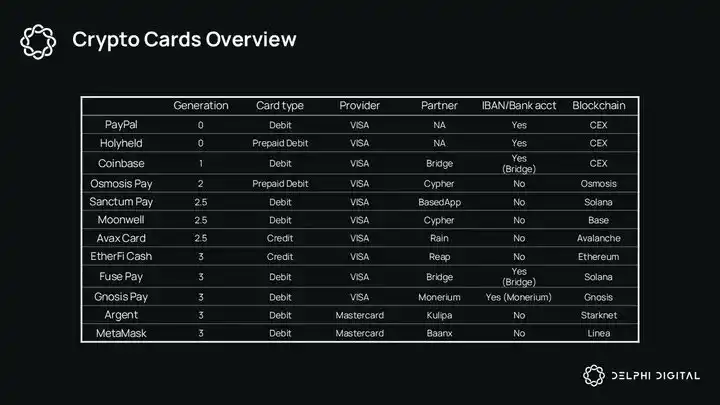
Crypto payment cards are evolving from simple withdrawal channels to self-custodial smart contract wallets that can interact directly with DeFi protocols. New types of crypto payment cards such as Gnosis Pay, Argent, and Fuse support programmable spending, automatic top-ups, and integration with lending protocols, bringing the vision of banking the unbanked closer to reality than ever before.
2. zkTLS Opens Up a New Frontier for DeFi
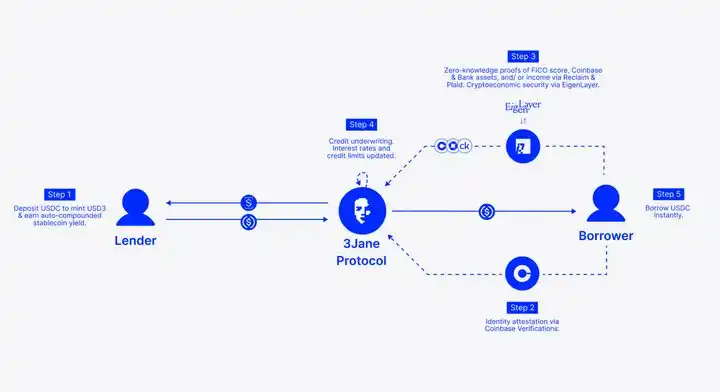
Zero-Knowledge Transport Layer Security (zkTLS) technology allows users to prove sensitive data on-chain without exposing private information. Projects like 3Jane (Credit Lending), Camp Network (Custom User Experience), and Showdown (Web2 Game) are leveraging zkTLS technology to expand DeFi into new markets. This could drive mainstream adoption of on-chain credit scoring, low-collateral loans, and other functionalities.
3. Yield-Sharing Stablecoins Reshape the Market Landscape
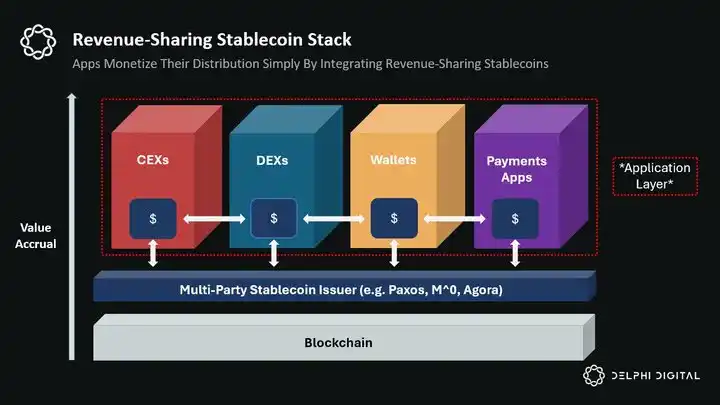
Stablecoin issuers earn significant income through reserve interest, and DeFi projects are disrupting this model. New types of stablecoins like M^0, Agora, and Paxos USDG share yield with applications, incentivizing wallets and DeFi platforms to integrate. This model could drive decentralized stablecoin issuance and reshape the competitive landscape by rewarding partner distribution rather than relying solely on network effects.
4. DeFi Value Shifts from Protocol Layer to Frontend
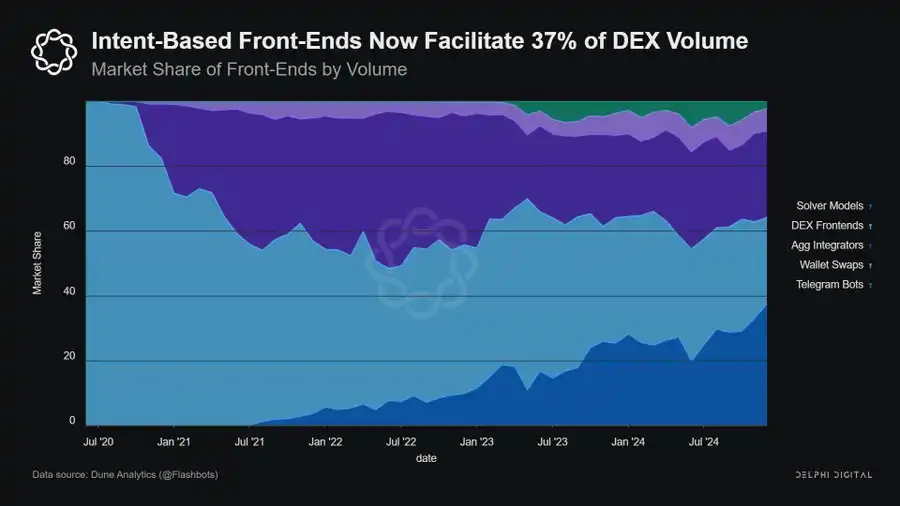
The value of DeFi protocols is shifting towards entities that control exclusive order flow, especially wallets and intent-driven frontends. Platforms like Jupiter and Phantom are laying the groundwork for order flow monetization, aiming to reshape the value distribution of DeFi. As the MEV supply chain matures, the competitive focus will shift from DEXs to the frontend, and distribution capability will become crucial for capturing value.
5. 2025: The Year of DEX Growth and Aggregator-Driven Trading
As DEX trading volumes rise and aggregators redefine execution methods, on-chain transactions are undergoing a significant transformation.
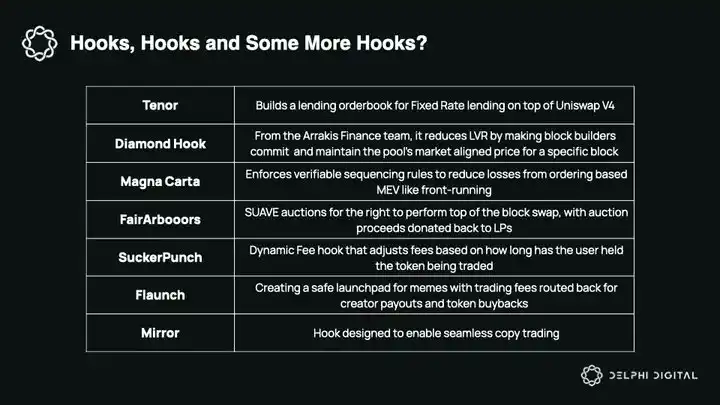
· Angstrom is dedicated to addressing MEV and LVR issues;
· Bunni v2 enhances passive liquidity strategies;
· Whetstone Research innovates token issuance mechanisms through Doppler.
6. Uniswap's Strategic Roadmap
Uniswap is transitioning from a single DEX to DeFi's liquidity infrastructure:
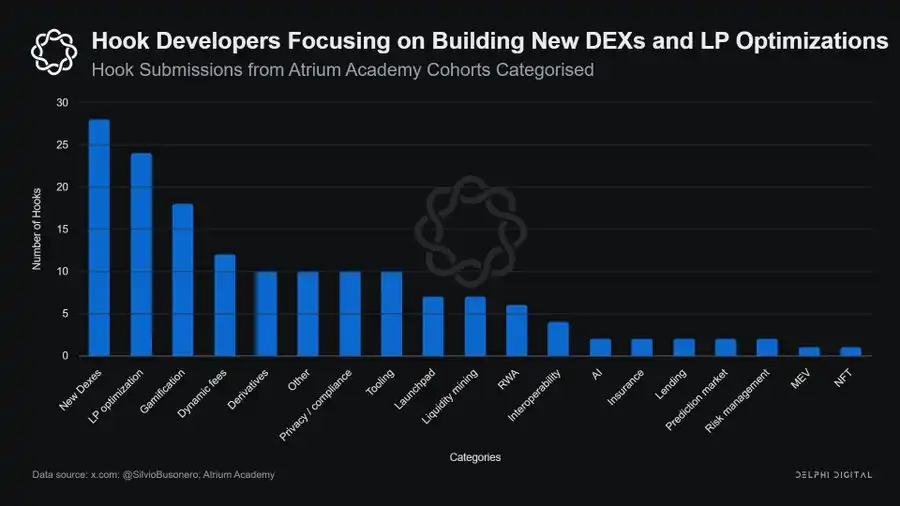
· Uniswap Labs v4's Hooks feature supports AMM customization, automated LP management, and advanced order types;
· Unichain, as a blockchain specialized for DeFi, possesses high throughput and resistance to MEV;
· UniswapX is poised to become the primary intent execution layer in DeFi.
7. DeFi Transaction Paradigm Shift
DeFi transactions are evolving towards modularity, intent-driven behavior, and high-speed execution. A new generation of DEX architectures is emerging to optimize liquidity, execution quality, and MEV protection:
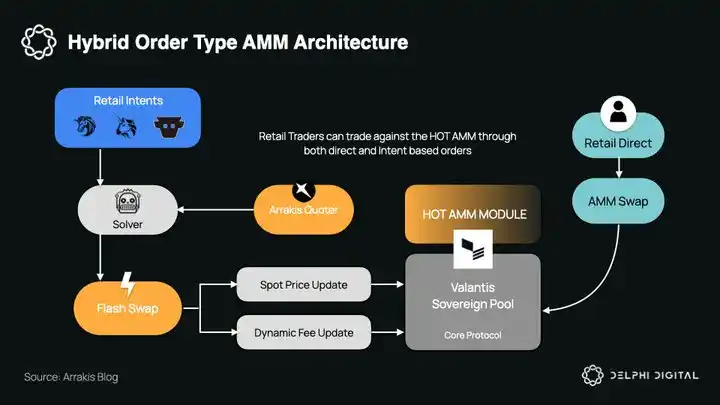
· Valantis Labs offers a modular DEX framework supporting flexible exchange development;
· Arrakis Finance integrates OTC order flow via RFQ to shield LPs from MEV impact;
· Fluid utilizes "smart collateral" for leveraged liquidity provision and automated fee optimization;
· Order Book DEXs: High-performance blockchains like Monad, Sui, and Aptos are enabling efficient order book trading.
8. The Evolution of Prediction Markets
The prediction market is no longer just pure speculation, such as:
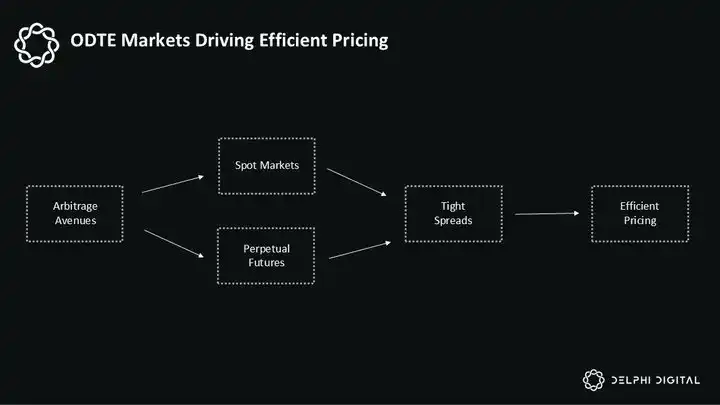
· The on-chain 0DTE derivatives launched by Limitless Exchange provide efficient pricing and leverage;
· Truemarkets ensures fair outcomes through its Truth Oracle+AI-driven validation and decentralized governance.
With the development of these patterns, the prediction market may become a core part of on-chain finance.
9. Development of Starknet
Despite facing challenges, Starknet's low-cost transactions, staking mechanism, and expanding ecosystem lay the foundation for its growth.
Key Catalysts:
· Bitcoin rollup may position Starknet as a leader in BTC Layer 2;
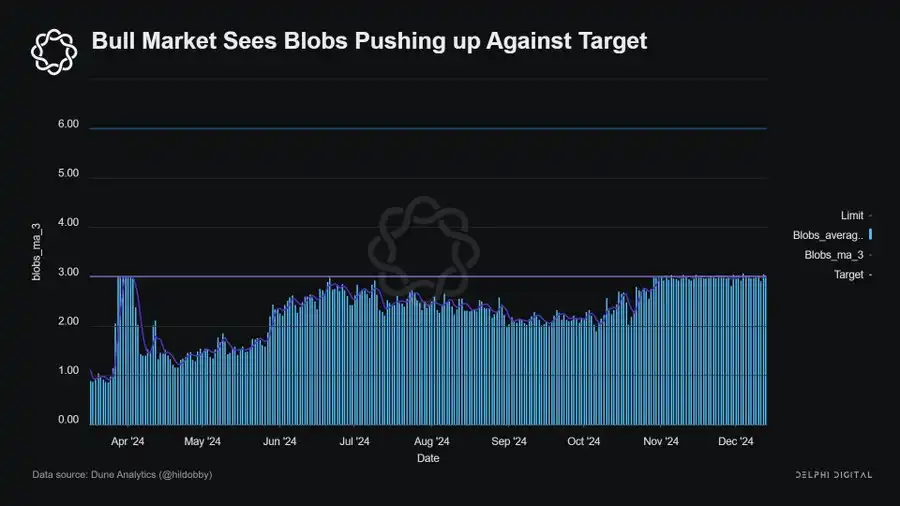
· Lower blob costs bring a scaling advantage relative to other L2 solutions;
· On-chain gaming is becoming a new adoption driver.
10. Challenges and Innovation
Despite the rapid development in the DeFi space, it still faces some key challenges.
· High entry barriers: Limited support from centralized exchanges forces users to rely on Ethereum cross-chain or intermediary services;
· Token incentives are insufficient: Many top protocols lack token or point systems, leading to low user engagement.
However, these challenges actually indicate that DeFi still has significant innovation space and development potential in the following areas:
· Low collateral loan products
· Lending aggregators
· Interest rate derivatives
· On-chain securitization protocols
· Advanced prediction markets
Looking ahead, the next wave of DeFi will focus on efficiency improvements, risk management, and the development of more advanced financial tools.
You may also like

The pricing controversy of Trade.xyz exposes the fatal weakness of Pre-IPO perpetual contracts

World Cup 2026 Coming – WEEX Celebrates with $1M Prize Pool & Michael Owen Live

Galaxy in-depth report: Is Solana still worth paying attention to?
Young people in South Korea make a "final effort" in the epic bull market

Dialogue with OmenX Founder: Why does the prediction market need an evolution from "spot" to "derivatives"?
When the P2P illicit funds from ten years ago turned into 60,000 bitcoins

Morning News | CME Group launches Nasdaq Cryptocurrency Index futures; Asset management giant Janus Henderson strategically invests in Ethena

Why did Oracle deliver the strongest financial report in history, yet its stock price fell?

Bitcoin Layer 2 Network Botanix: Why Did We Choose to Dissolve?

Morning Report | OpenAI has submitted an S-1 registration statement draft to the U.S. SEC; Morpho completes $175 million financing

Galaxy Deep Research Report: How Hyperliquid's HIP-4 Upgrade Changes the Landscape of Prediction Markets?

Latest research from 13 top universities including Cornell University: The current state, challenges, and misconceptions of the fusion of Crypto and AI
Deconstructing Anthropic: The Best AI Company, Possibly Also a Type of Organizational Invention

Every exchange is a "Universal Exchange."

The counterattack of traditional finance: Alliance chains are quietly reviving
Pantera Capital Partner: How Tokenization is Restructuring the Private Equity and Early Investment Ecosystem?

Mastercard Launches Agent Pay for AI, Plans to Record AI Agent Payment Authorizations on Polygon
Mastercard launched Agent Pay for AI, a new payment protocol designed to help AI agents make small payments such as pay-per-use access to data and APIs. The system plans to record human-granted AI agent permissions on Polygon, focusing on verifiable authorization, identity, and payment controls.

Curve Deploys Llamalend v2 on Optimism With 250,000 OP Incentives
Curve launched Llamalend v2 on Optimism with 250,000 OP incentives from the Optimism Foundation. The upgrade expands Llamalend beyond its earlier crvUSD-focused model, adding broader collateral support, LlamaRisk market reviews, and the ability to use Curve LP tokens as collateral.
The pricing controversy of Trade.xyz exposes the fatal weakness of Pre-IPO perpetual contracts
World Cup 2026 Coming – WEEX Celebrates with $1M Prize Pool & Michael Owen Live
Galaxy in-depth report: Is Solana still worth paying attention to?
Young people in South Korea make a "final effort" in the epic bull market
Dialogue with OmenX Founder: Why does the prediction market need an evolution from "spot" to "derivatives"?
When the P2P illicit funds from ten years ago turned into 60,000 bitcoins


