Russian Oil Asset Fund (ROAF): What It Is and Key Risks


Russian Oil Asset Fund, also known as ROAF, is a Solana-based crypto token built around the narrative of Russian oil reserves, energy geopolitics, and commodity-linked digital assets. Despite the official-sounding name, ROAF should not be treated as a regulated oil fund or a claim on physical crude oil.
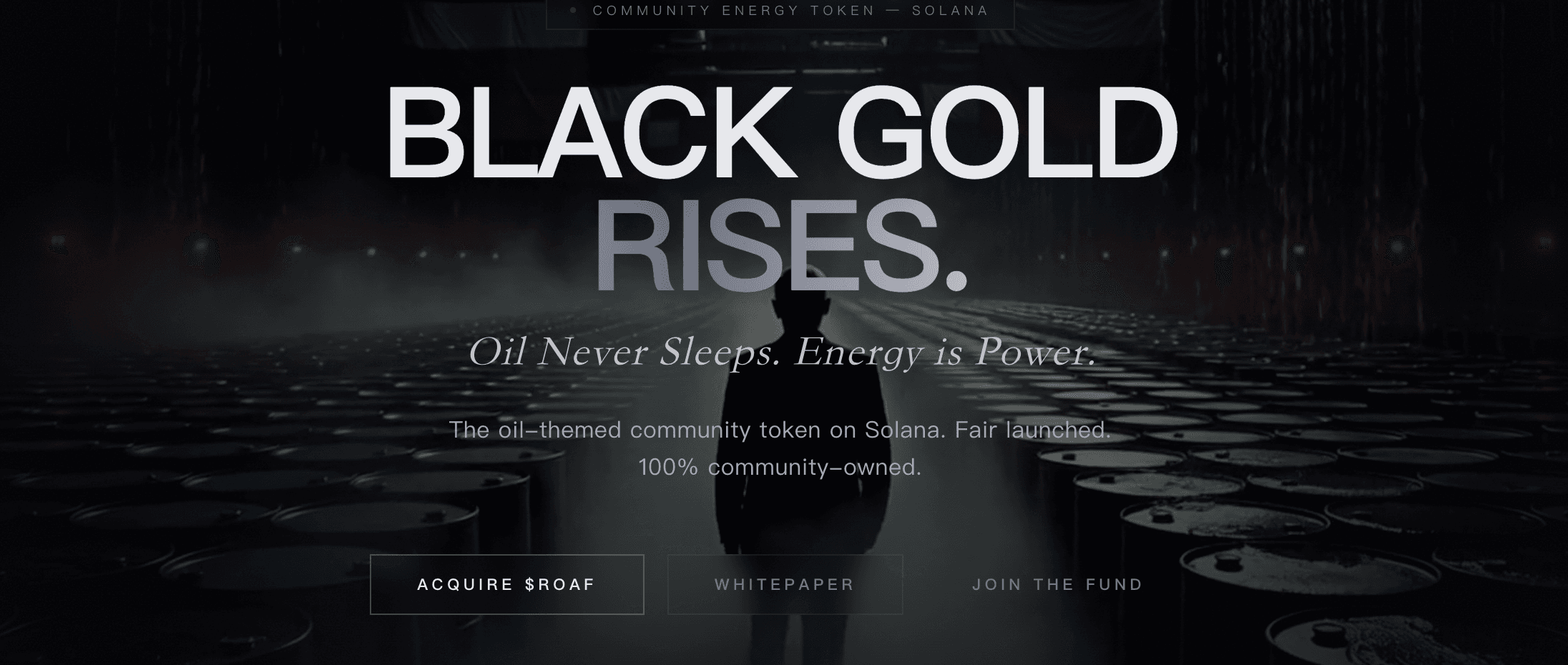
The more useful way to understand ROAF is simple: it is a speculative narrative token using oil, pipelines, sanctions, and real-world asset themes as its market story. That makes it interesting to traders who follow fast-moving crypto narratives, but it also makes verification especially important.
What Is Russian Oil Asset Fund?
Russian Oil Asset Fund is presented as an energy-themed token on Solana. The project’s public materials describe ROAF as a “sovereign energy protocol” and connect the token’s branding to Siberian oil, Eastern energy infrastructure, and shifting global commodity flows.
In practice, ROAF is not the same thing as owning oil reserves, shares in an energy company, or a government-backed sovereign fund. The project’s own public-facing disclaimer says ROAF is a speculative digital asset and is not backed by physical oil reserves or any government entity.
That distinction matters. Many traders find ROAF because the name sounds institutional, but the asset behaves more like a high-risk crypto token than a traditional commodity product.
| Item | Details |
|---|---|
| Token name | Russian Oil Asset Fund |
| Ticker | ROAF |
| Blockchain | Solana |
| Main theme | Oil, geopolitics, energy finance |
| Asset backing | No verified physical oil backing |
| Risk profile | High-risk speculative token |
| Key check before trading | Verify the current official contract address |
Why Is ROAF Trending?
ROAF is gaining attention because it combines several narratives that crypto traders already understand: real-world asset tokenization, commodity markets, Solana meme-token activity, and geopolitical headlines.
The token’s story is built around oil as a strategic asset. That gives ROAF a stronger narrative hook than a random meme token, especially when traders are already watching energy prices, sanctions, BRICS speculation, and crypto payment rails. However, narrative strength does not equal asset backing.
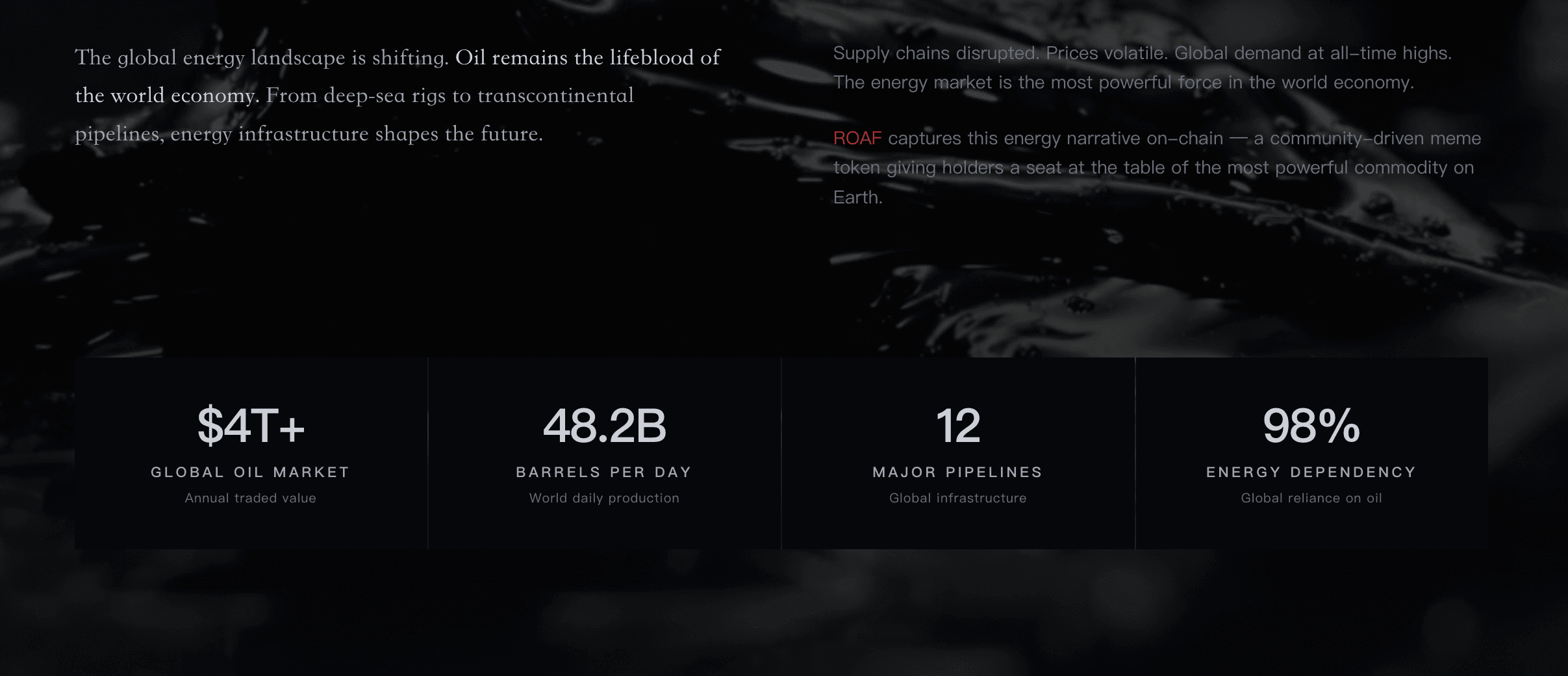
The better reading is that ROAF is a market story first and a financial instrument second. If the story spreads, liquidity and volatility can rise quickly. If attention fades, the same token can become hard to exit.
For users comparing new crypto listings, WEEX’s broader crypto market page can help track how speculative assets behave across different market cycles.
ROAF Tokenomics and Contract Checks
ROAF-related pages commonly mention a 1 billion token supply and Solana-based trading. Some third-party pages also describe zero buy tax, zero sell tax, burned liquidity, or renounced contract status. Those claims should always be checked against current on-chain data before trading.
One practical issue is contract confusion. Recent sources have shown different ROAF-related contract addresses, which may reflect different pages, older references, duplicate tokens, or changing project materials. For a new token with a fast-moving narrative, copying a contract address from a random article is one of the easiest ways to buy the wrong asset.
Before buying ROAF, check:
The official project website and social channels
The trading pair on a trusted DEX tracker
Liquidity depth and holder distribution
Whether the token contract matches the page you are using
Whether WEEX or another platform has a verified listing page
If you are new to Solana tokens, read WEEX’s guide to how to buy crypto before using a self-custody wallet or DEX route.
Is Russian Oil Asset Fund Backed by Oil?
No verified public evidence shows that Russian Oil Asset Fund gives holders a legal claim on oil reserves, oil revenue, or government-controlled energy assets. Its branding uses oil as a theme, not as confirmed collateral.
This is the most important point for beginners. A token can reference a real-world commodity without being an asset-backed token. It can also use language like “fund,” “reserve,” or “protocol” without operating like a regulated investment vehicle.
That does not automatically make ROAF useless or fraudulent, but it changes how traders should evaluate it. ROAF should be judged as a volatile crypto asset with narrative momentum, not as a stable commodity-backed product.
How to Buy or Track ROAF
ROAF appears to be primarily discussed as a Solana-based token, which means many users look for it through Solana wallets, DEX aggregators, and token trackers. If a centralized exchange lists ROAF in the future, the safer route may be to use the exchange’s verified asset page rather than manually pasting a contract address.
A practical ROAF checklist looks like this:
| Step | What to Check | Why It Matters |
|---|---|---|
| 1 | Confirm the token name and ticker | Duplicate tickers are common |
| 2 | Verify the contract address | Prevents buying fake ROAF tokens |
| 3 | Check liquidity | Thin liquidity can cause bad fills |
| 4 | Review price history | New tokens can move violently |
| 5 | Use small test trades | Reduces operational mistakes |
| 6 | Avoid leverage | Volatility can liquidate positions quickly |
For a simpler exchange-based workflow, users can explore WEEX spot trading and WEEX futures trading depending on which assets are supported in their region.
Key Risks Before Trading ROAF
The biggest ROAF risk is misunderstanding what the token represents. Russian Oil Asset Fund is not a conventional fund, not a claim on crude oil, and not a confirmed government-linked product.
The second risk is liquidity. New narrative tokens can look liquid during hype periods, then become difficult to sell when attention rotates elsewhere. A chart can show a large percentage gain while the actual exit size is limited.
The third risk is contract and listing confusion. If multiple ROAF pages or contract addresses circulate, users must verify the current contract from reliable sources before interacting with any token.
The fourth risk is narrative reversal. ROAF depends heavily on oil and geopolitical storytelling. If the market stops caring about that theme, the token may lose momentum even if nothing changes technically.
Final Take
Russian Oil Asset Fund is best understood as a Solana-based energy narrative token, not an oil-backed investment fund. Its appeal comes from a strong market story: oil, Russia, commodity power, and crypto speculation packed into a single ticker.
That story can attract attention, but the practical trading question is colder: can you verify the contract, understand the liquidity, accept the volatility, and exit without relying on hype? If not, ROAF is better watched than traded.
To compare ROAF with other trending assets, explore live crypto markets and trading tools on WEEX.
FAQ
What is Russian Oil Asset Fund?
Russian Oil Asset Fund is a Solana-based crypto token using oil, Russian energy, and geopolitical finance as its core narrative.
Is ROAF backed by real oil?
There is no verified evidence that ROAF holders own physical oil, oil revenue, or a regulated claim on energy assets.
Is ROAF a government token?
No public evidence confirms that ROAF is issued or backed by any government entity.
Where can I buy ROAF?
Users generally look for ROAF through Solana token markets or verified exchange pages. Always confirm the current contract address before trading.
Is ROAF risky?
Yes. ROAF is a speculative token with liquidity risk, contract-verification risk, volatility risk, and narrative risk.