
Why Satoshis are Essential in Bitcoin’s Economy?

 Prefer us on Google

Imagine a world where there was only one currency in one denomination: 5-dollar bills. That wouldn’t be a problem if you’re buying something worth $50—you could simply use ten 5-dollar bills. But what if you want to buy something that costs less than $5? For example, an apple, which on average costs around $1.3—you’d end up overpaying by $3.7 just for a simple snack.
This is why currencies need to be divisible—and that’s exactly what satoshis do for Bitcoin.
What is a Satoshi?
Much like cents to the dollar, satoshis make Bitcoin divisible. A satoshi is the smallest unit of Bitcoin—there are 100 million satoshis in one BTC (or precisely 0.00000001 BTC).
Named after Bitcoin’s creator, Satoshi Nakamoto, satoshis (often shortened to “sats”) enable microtransactions with Bitcoin. At current prices, a single Bitcoin is worth tens of thousands of dollars—making it impractical for small, everyday purchases. Satoshis allow you to buy a cup of coffee, an apple, or any other low-cost item without needing to spend thousands.
What is a Satoshi Worth?
You can calculate the value of one satoshi in US dollars using this simple formula: (Current Bitcoin Price) ÷ 100,000,000
For instance, if 1 BTC is trading at $29,901.39, then one satoshi would be worth approximately $0.000299.
Can You Buy a Fraction of a Bitcoin?
Yes—thanks to satoshis, you don’t need to buy a whole Bitcoin to get started. You can begin investing with just a few dollars, making Bitcoin accessible to everyone regardless of budget.
This approach also offers a low-risk way to learn how Bitcoin trading works before committing larger amounts. And when you decide to sell, the same principle applies—you can sell a portion of your Bitcoin. Just remember to account for a small amount of extra satoshis to cover transaction fees.
-- Price
Can You Send Satoshis to Others?
Absolutely. You can send any amount of Bitcoin, down to the satoshi level, to another person’s wallet. While traditional on-chain transactions work fine, many users prefer the Lightning Network —a layer-2 solution built on Bitcoin—for faster and cheaper microtransactions.
What is a Satoshi in Bitcoin?
To recap, a satoshi is the atomic unit of Bitcoin, representing 0.00000001 BTC. It’s the foundation that makes Bitcoin divisible, practical, and inclusive for everyday use.
Get Started with Bitcoin Today
If you’ve been curious about Bitcoin but unsure where to begin, remember that you don’t need a lot of money to start. With just a few dollars, you can buy your first satoshis and join the global Bitcoin economy. Explore trusted exchanges and peer-to-peer platforms to find a method that works best for you—and take your first step into the world of Bitcoin! Ready to begin? Visit WEEX today and easily buy your first Bitcoin with confidence!
Further Reading
- Bitcoin Volatility: What Causes BTC Price Swings?
- Who Owns the Most Bitcoin in 2025?
- How to Trade Bitcoin Futures on WEEX?
- What Is Bitcoin and How Does It Work?
Disclaimer: The opinions expressed in this article are for informational purposes only. This article does not constitute an endorsement of any of the products and services discussed or investment, financial, or trading advice. Qualified professionals should be consulted prior to making financial decisions.
This content is provided for general informational purposes only and doesn't constitute financial, investment, legal, or tax advice. Any events, rewards, online promotions, or related information mentioned herein should not be considered a recommendation, solicitation, or invitation to purchase, sell, trade, or otherwise deal in any crypto assets. Crypto assets are highly volatile and may result in loss. The availability of WEEX services, products, and related events may vary by region. You are responsible for ensuring that your participation is in accordance with applicable local laws and regulations.
You may also like

Is SafePal Safe? A Look at Its Security Features
How to Set Up and Use SafePal Wallet?

Meme coin 龙虾 ($LOBSTER) Surges Past $200M: What’s Behind the Rally?
What Is SafePal Wallet? A Complete Beginner's Guide
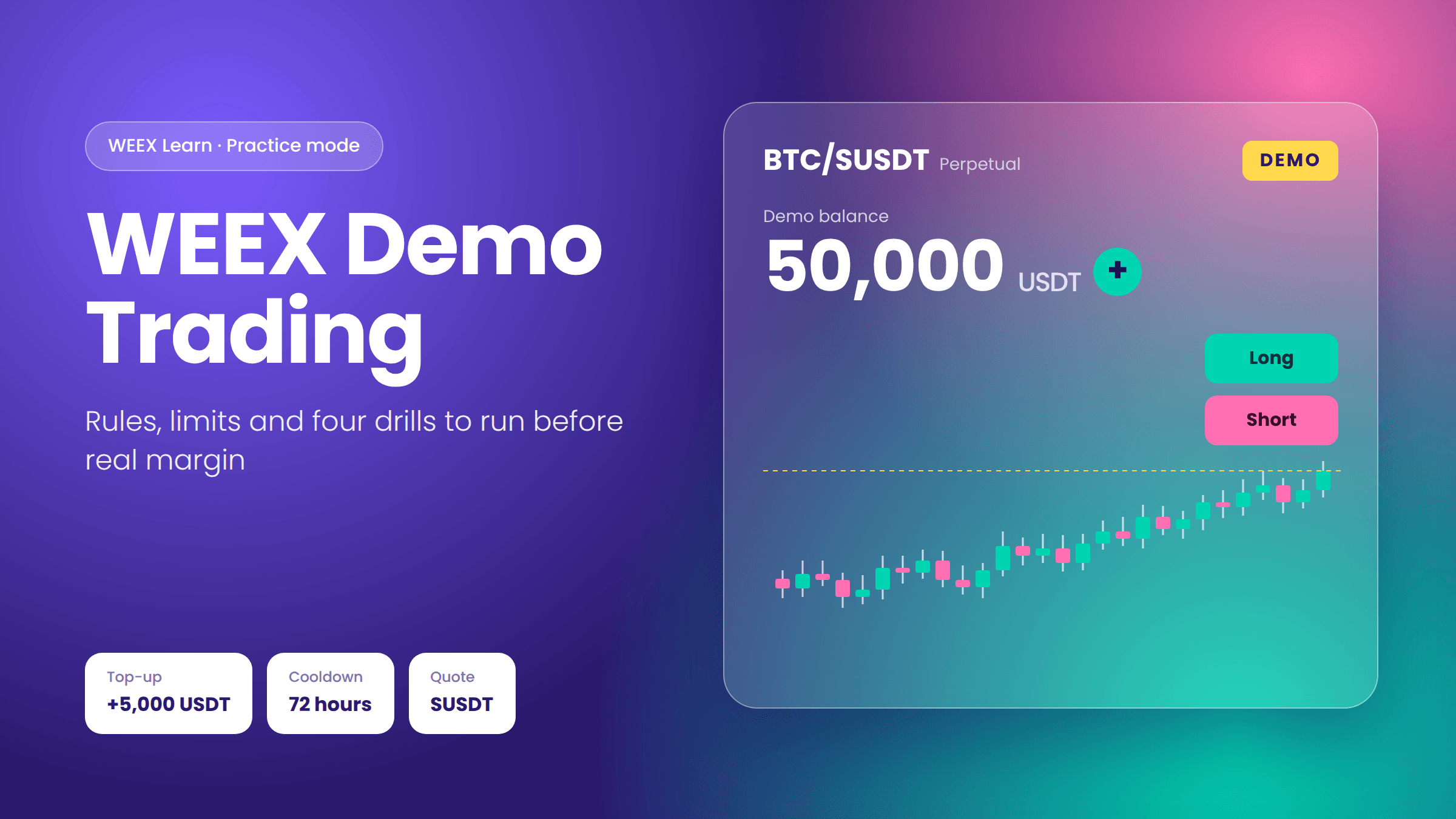
WEEX Demo Trading: 50,000 USDT Practice Account, Rules and Limits
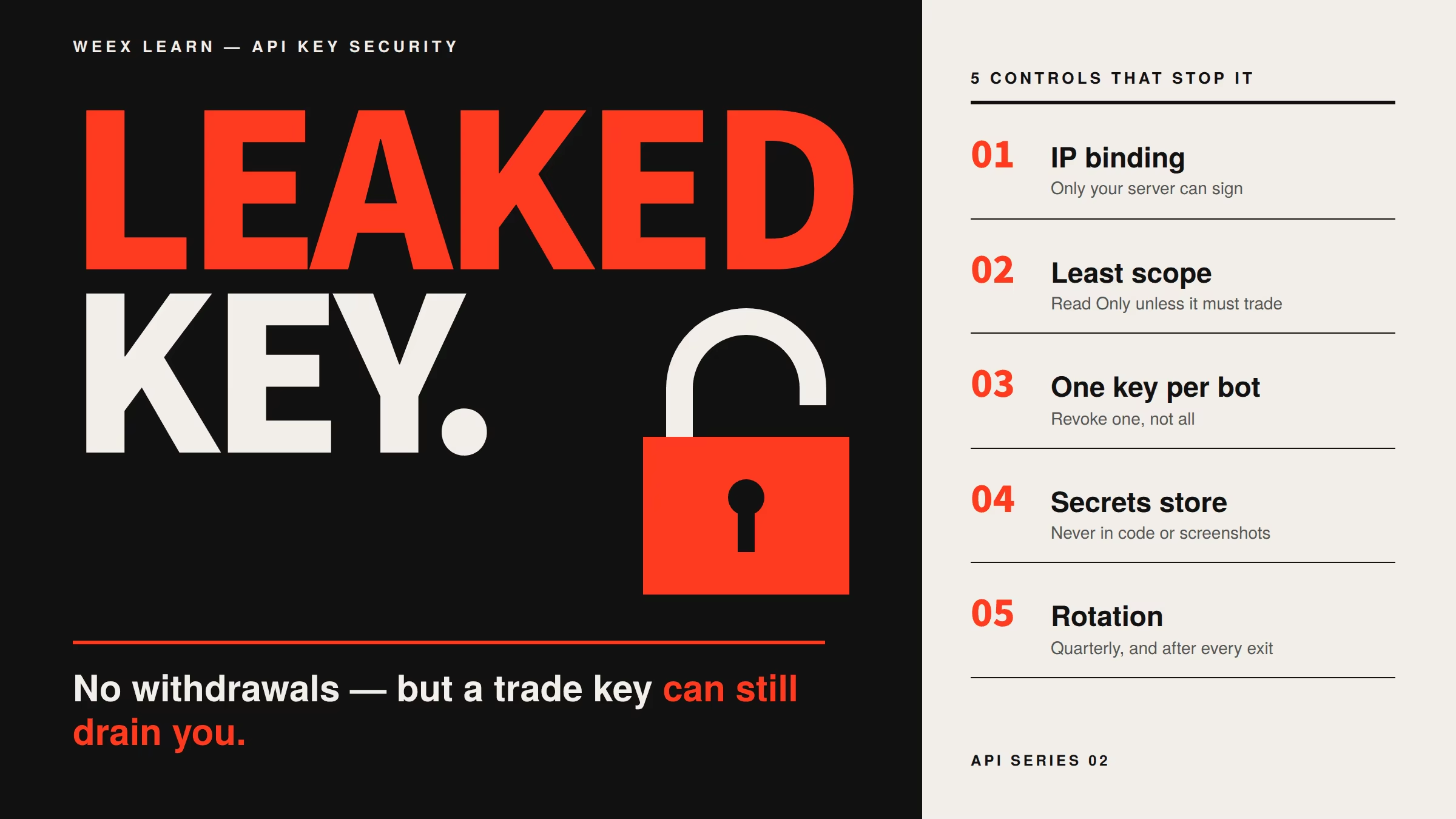
WEEX API Key Security: What a Leaked Key Can Still Do to You

TOKEN2049 Singapore Events 2026: Side Events, VIP Lounges and What to Do During TOKEN2049 Week
Lost Your 2FA Device? Here's What to Do Next
How to Install Trust Wallet Safely: What Most Guides Leave Out
Senate CLARITY Act Cloture Vote Today: Can Trump's Ethics Compromise Get 60 Votes?
Trust Wallet vs MetaMask: Which One Is Better for Beginners?
Trust Wallet Seed Phrase: How to Store It Safely and What Never to Do
Puebla Mexico Crypto Farm Seized: Is Bitcoin Mining Legal in Mexico?
What Is Trust Wallet? A Complete Beginner's Guide
AVAX Futures: Trading the Avalanche RWA Catalyst With Leverage
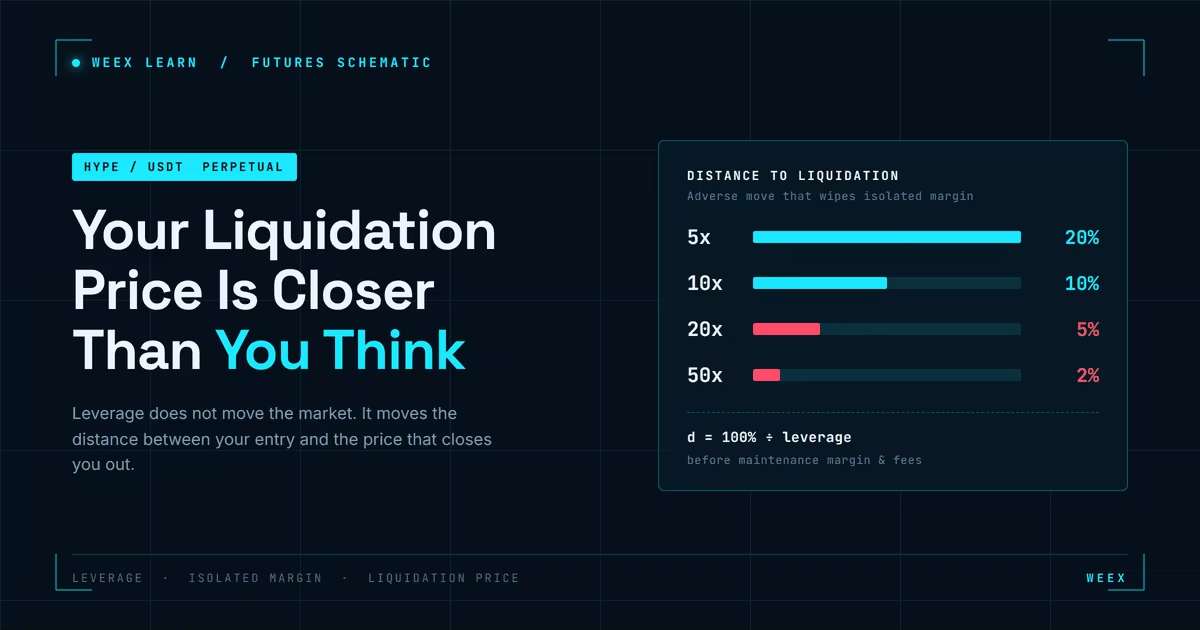
HYPE Token Unlock and Leverage: What the $1.2B Number Hides
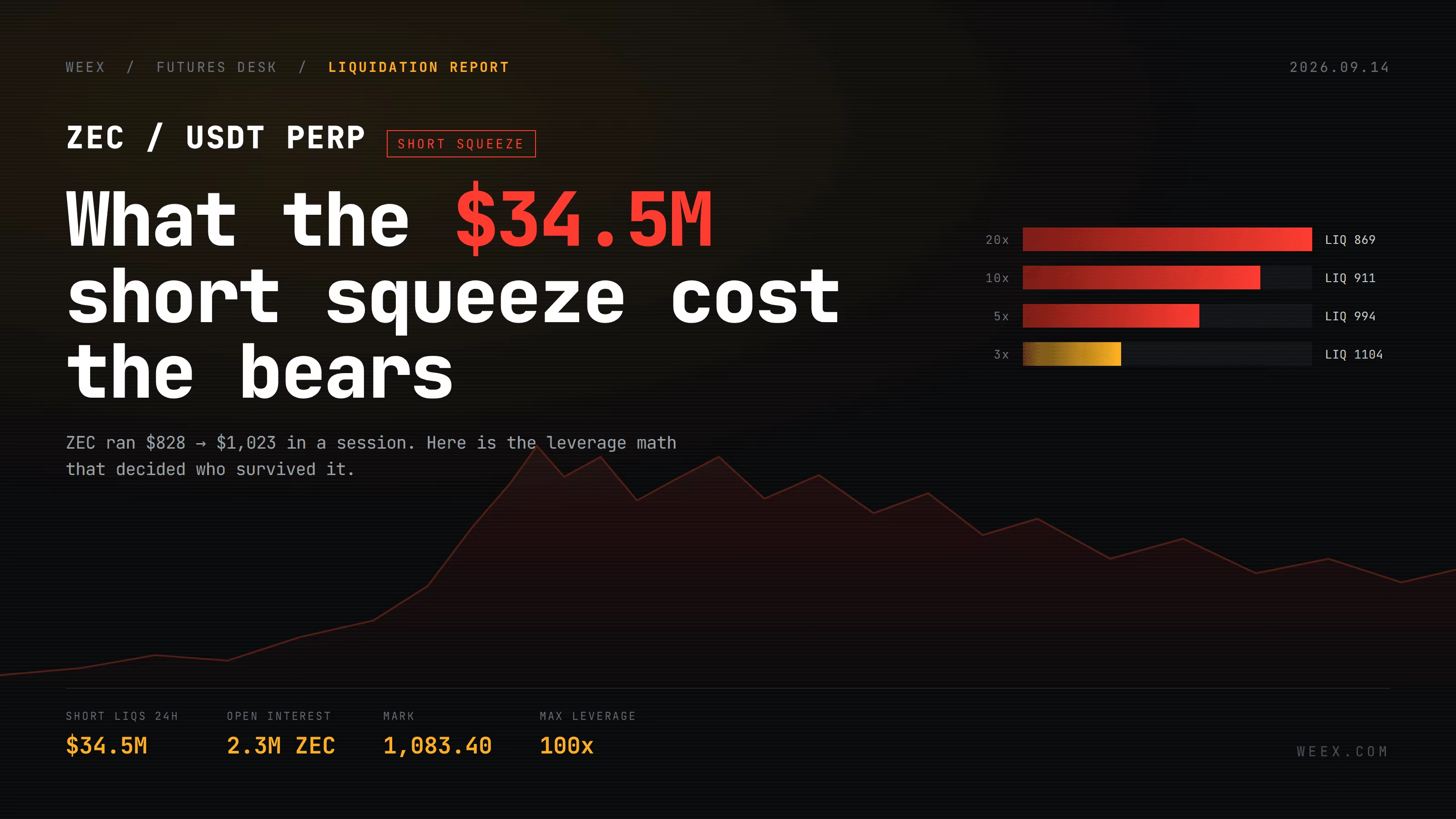
Zcash Futures: What the $34.5M Short Squeeze Cost the Bears
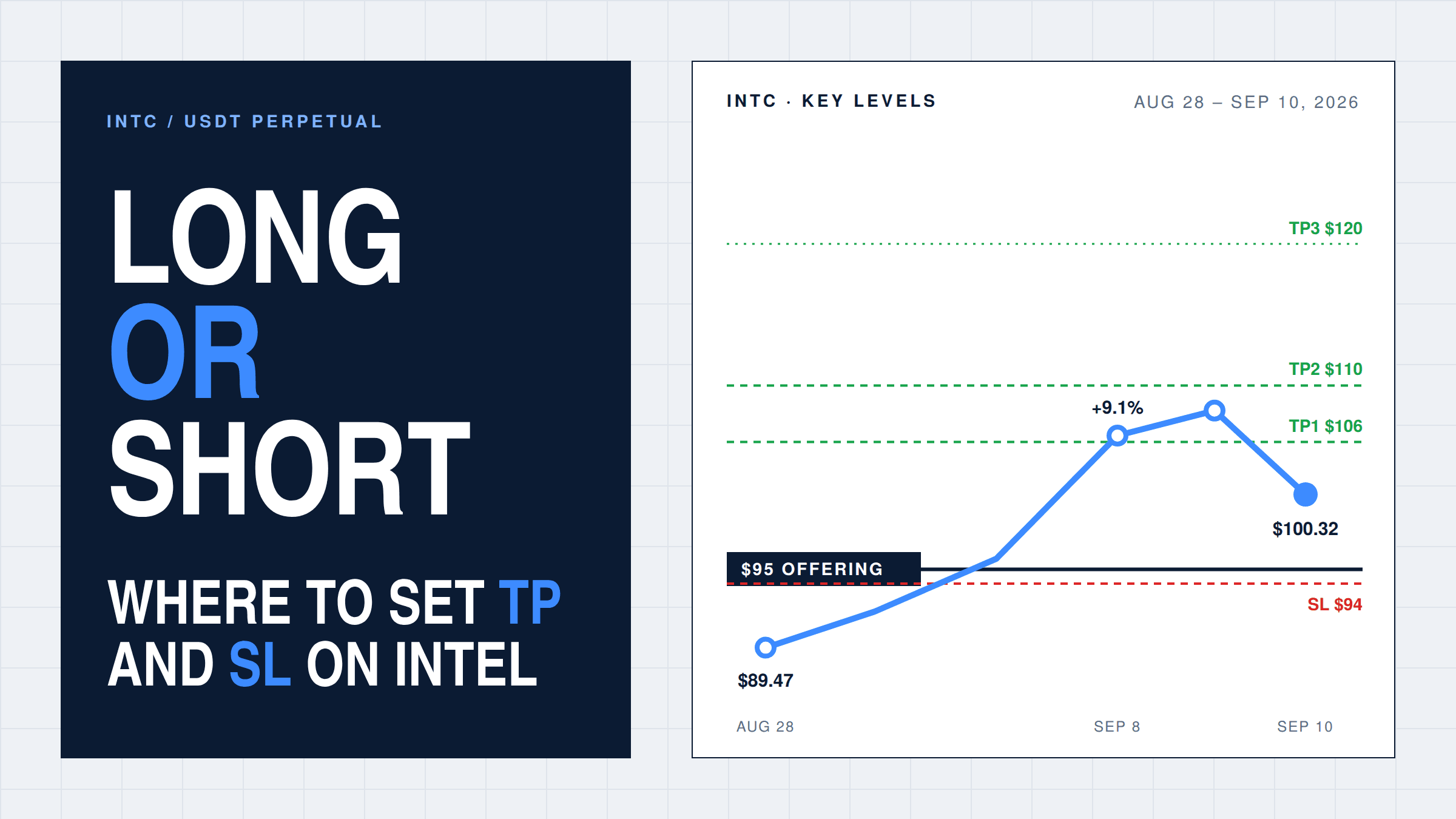
How to Short Intel Stock with Futures: Where to Set TP and SL
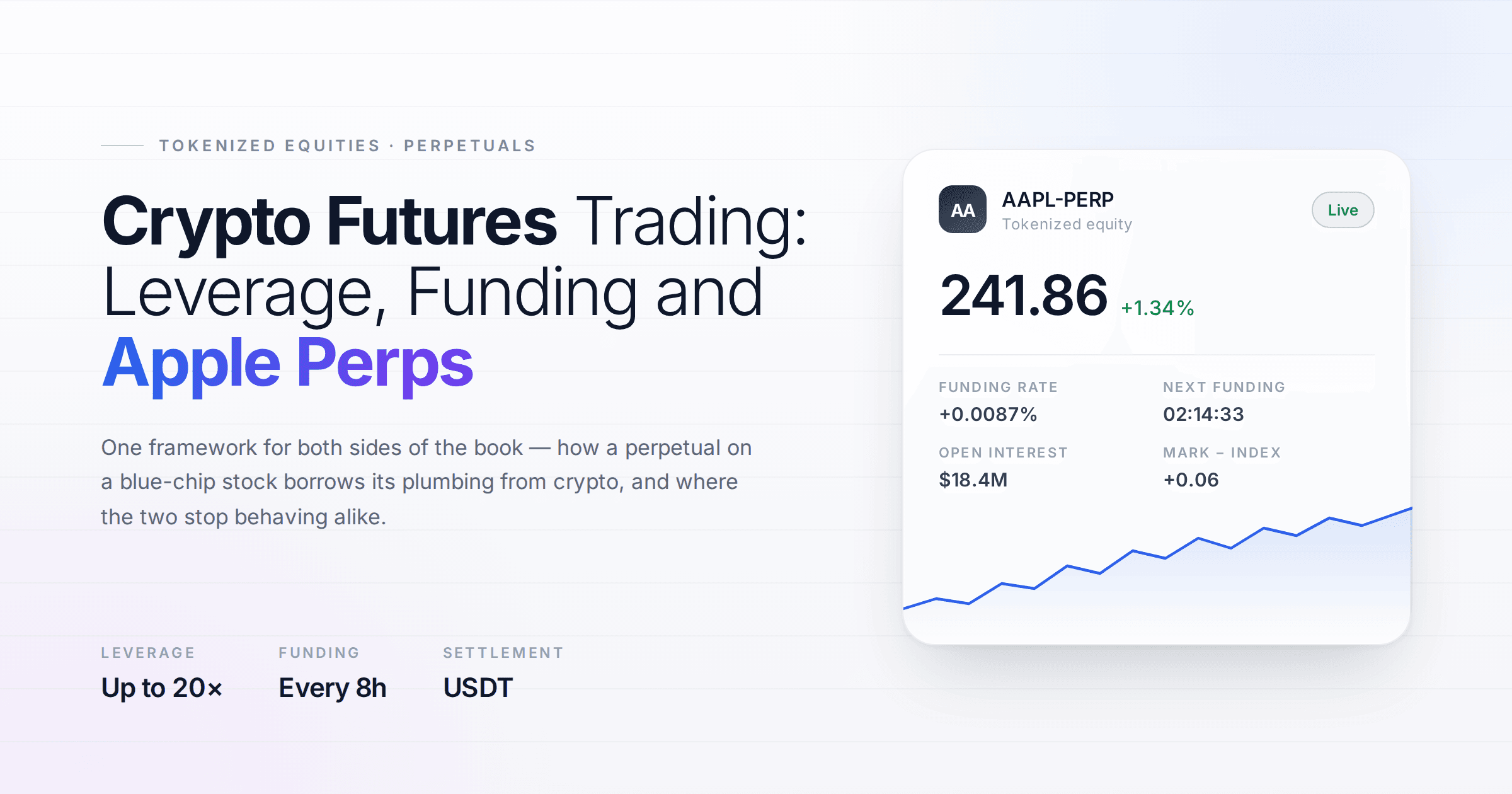
Crypto Futures Trading: Leverage, Funding and Apple Perps
How to Trade Tesla (TSLA) Stock Token with USDT on WEEX: A Trading Guide for Beginers in 2026
How to Trade NVIDIA (NVDA) Stock Token with USDT on WEEX
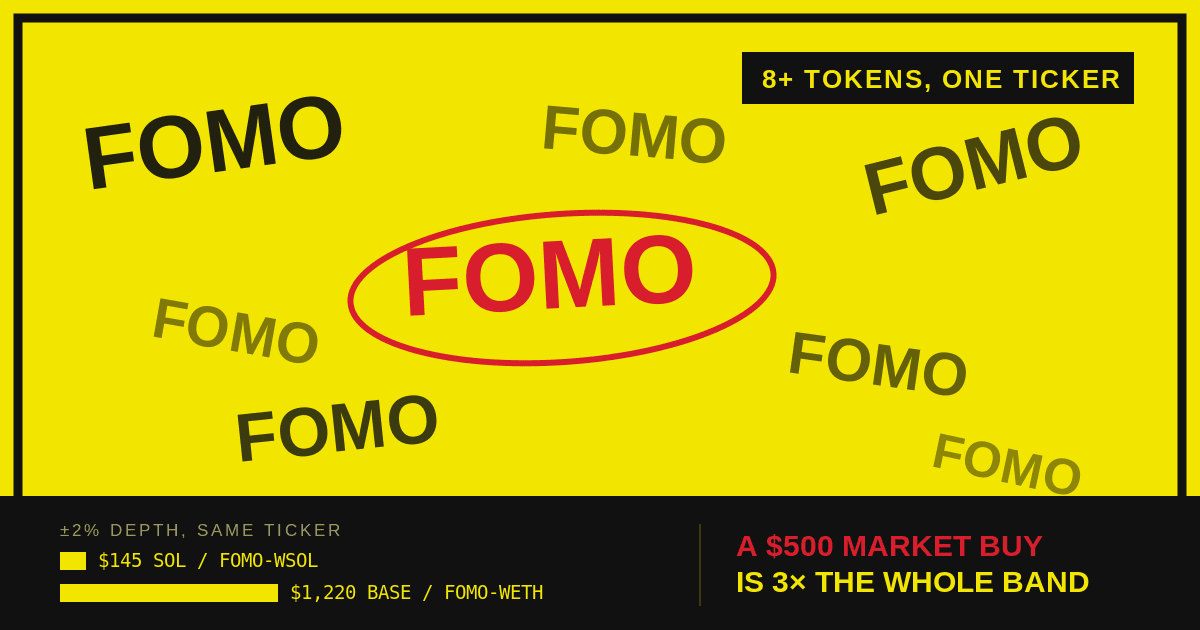
FOMO Token: Which One You're Actually Buying and the Risks
MU Stock Reclaims $1,000 Again: What's Actually Different This Time
Hunter Biden's LAPTOP Memecoin: What TRUMP's Trajectory Suggests Could Happen Next
XST Coin Price Fell Over 40% for Two Straight Days: What That Pattern Actually Means
Is The US Becoming The Crypto Capital? Brad Garlinghouse's Bold Predictions Explained
Hunter Biden's LAPTOP Meme Coin: What's Actually Confirmed So Far

Top Crypto Events in 2026: TOKEN2049 Singapore Guide
How to Trade U.S. Stocks with USDT on WEEX: Step-by-Step Guide
StonkFun Just Became Solana's Hottest Launchpad: STONK Surges 250% to Prove It
Is SafePal Safe? A Look at Its Security Features
How to Set Up and Use SafePal Wallet?
Meme coin 龙虾 ($LOBSTER) Surges Past $200M: What’s Behind the Rally?
What Is SafePal Wallet? A Complete Beginner's Guide
WEEX Demo Trading: 50,000 USDT Practice Account, Rules and Limits
WEEX API Key Security: What a Leaked Key Can Still Do to You





