
How to Spot Phishing and Safeguard Your WEEX Account

 Prefer us on Google
In cryptocurrency trading, security is paramount. As crypto grows, so do threats like phishing, where scammers deceive users into sharing sensitive details like login credentials or private keys. WEEX prioritizes your safety and equips you to counter these risks. This guide shows you how to identify phishing attempts and protect your account.
What Is Phishing?
Phishing is a scam where fraudsters pose as trusted entities to steal personal information. They mimic platforms, support teams, or brands to trick users into revealing account details.
Common tactics include:
Fake Emails & Messages: Emails or social media posts pretending to be WEEX, urging account verification or password resets.
Bogus Websites: Sites mimicking WEEX to capture login information.
Malicious Links & Files: Links or downloads that install malware.
Impersonation: Scammers posing as WEEX staff to gain trust.
Identifying Phishing Attempts
Verify the Sender’s Email or Message
Scammers use addresses or usernames mimicking official accounts with subtle tweaks.
Red Flags
Emails from odd domains (e.g., [email protected] instead of [email protected]).
Messages with typos or strange requests.
Urgent or threatening tones demanding quick action.
Actions
Confirm emails come from WEEX’s official domain.
Contact WEEX Support via verified channels if uncertain.
Scrutinize Links Before Clicking
Fake links lead to phishing sites mimicking WEEX.
Red Flags
URLs with typos (e.g., weex.exchange.com instead of weex.com).
Shortened links hiding true destinations.
Pop-ups asking for credentials.
Actions
Hover over links to reveal the real URL.
Access WEEX only through the official website.
Never enter login details on suspicious sites.
Watch for Fake WEEX Support or Staff
Scammers impersonate WEEX personnel on platforms like Telegram or Discord, offering fake deals or help.
Red Flags
Unsolicited messages claiming to be WEEX support.
Requests for passwords, 2FA codes, or private keys.
Unrealistic offers like free crypto.
Actions
WEEX never asks for passwords or private keys.
Use only official support channels.
Verify account authenticity before responding.
Avoid Suspicious Downloads or Apps
Fraudulent files or apps may harbor malware to steal your data.
Red Flags
Unexpected email attachments (PDFs, ZIPs, EXEs).
Fake WEEX apps from untrusted sources.
Prompts to download unofficial “security updates.”
Actions
Download the WEEX app only from the official site or app stores.
Don’t open unknown attachments or install unverified software.
Strengthen Security with Two-Factor Authentication (2FA)
2FA adds a protective layer, blocking access even if credentials are stolen.
Best Practices
Opt for Google Authenticator or Authy over SMS-based 2FA.
Never share 2FA codes.
Regularly update passwords and security settings.
Responding to Suspected Phishing
Avoid clicking links or downloading attachments.
Report phishing attempts to WEEX Support.
Change your WEEX password immediately if you suspect a breach.
Update or enable 2FA for extra protection.
Trading Safely on WEEX
WEEX is dedicated to securing your funds. By staying vigilant and adopting these practices, you can dodge phishing scams and trade confidently.
Always verify URLs and email senders.
Never share login details, 2FA codes, or private keys.
Keep 2FA and security settings current.
Use only WEEX’s official support channels.
By spotting phishing risks and staying cautious, you can trade securely on WEEX.
This content is provided for general informational purposes only and doesn't constitute financial, investment, legal, or tax advice. Any events, rewards, online promotions, or related information mentioned herein should not be considered a recommendation, solicitation, or invitation to purchase, sell, trade, or otherwise deal in any crypto assets. Crypto assets are highly volatile and may result in loss. The availability of WEEX services, products, and related events may vary by region. You are responsible for ensuring that your participation is in accordance with applicable local laws and regulations.
You may also like
What Is SafePal Wallet? A Complete Beginner's Guide
What Is ArithFi (ATF)? Why It Is Not Listed on WEEX
What Is Block Street (BSB)? Tokenomics, Listings and the Unified Liquidity Layer
What Is Bitway (BTW)? Product, Tokenomics and the January WEEX Listing
What Is CHIP? USD.AI Governance, Tokenomics and the Ticker Collision
What Is Genius Terminal (GENIUS)? Product, Tokenomics and Trading Risks
What Is Janction (JCT)? AI Layer 2, Tokenomics and Risks
What Is Nexus (NEX)? The Verifiable-Computing Network, Tokenomics and Outlook
WEEX Demo Trading: 50,000 USDT Practice Account, Rules and Limits
WEEX API Key Setup: Permissions, IP Binding and Key Limits
LONGARC Token Explained: Arc Chain Stock Memes, Contract, Risks

TOKEN2049 Singapore Events 2026: Side Events, VIP Lounges and What to Do During TOKEN2049 Week
Who Is Attending TOKEN2049 Singapore 2026? Top Speakers, Exchanges and Exhibitors to Watch
Lost Your 2FA Device? Here's What to Do Next
Is 2FA Enough to Keep Your Crypto Safe?
SMS 2FA vs Authenticator App: Which Is Actually Safer?
What Is 2FA? A Beginner's Guide
How to Install Trust Wallet Safely: What Most Guides Leave Out
Senate CLARITY Act Cloture Vote Today: Can Trump's Ethics Compromise Get 60 Votes?
Trust Wallet vs MetaMask: Which One Is Better for Beginners?
What Is Aptos (APT)? Complete Layer-1 Blockchain Guide
Trust Wallet Seed Phrase: How to Store It Safely and What Never to Do
Puebla Mexico Crypto Farm Seized: Is Bitcoin Mining Legal in Mexico?
What Is Trust Wallet? A Complete Beginner's Guide
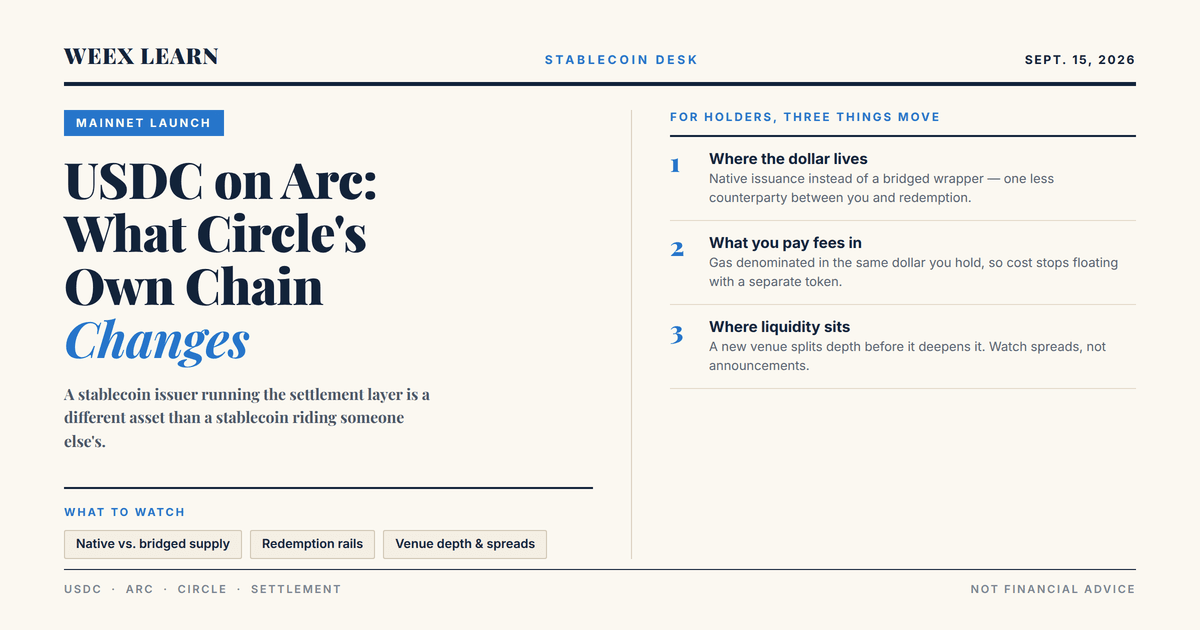
USDC on Arc: What Circle's Mainnet Launch Changes for Holders
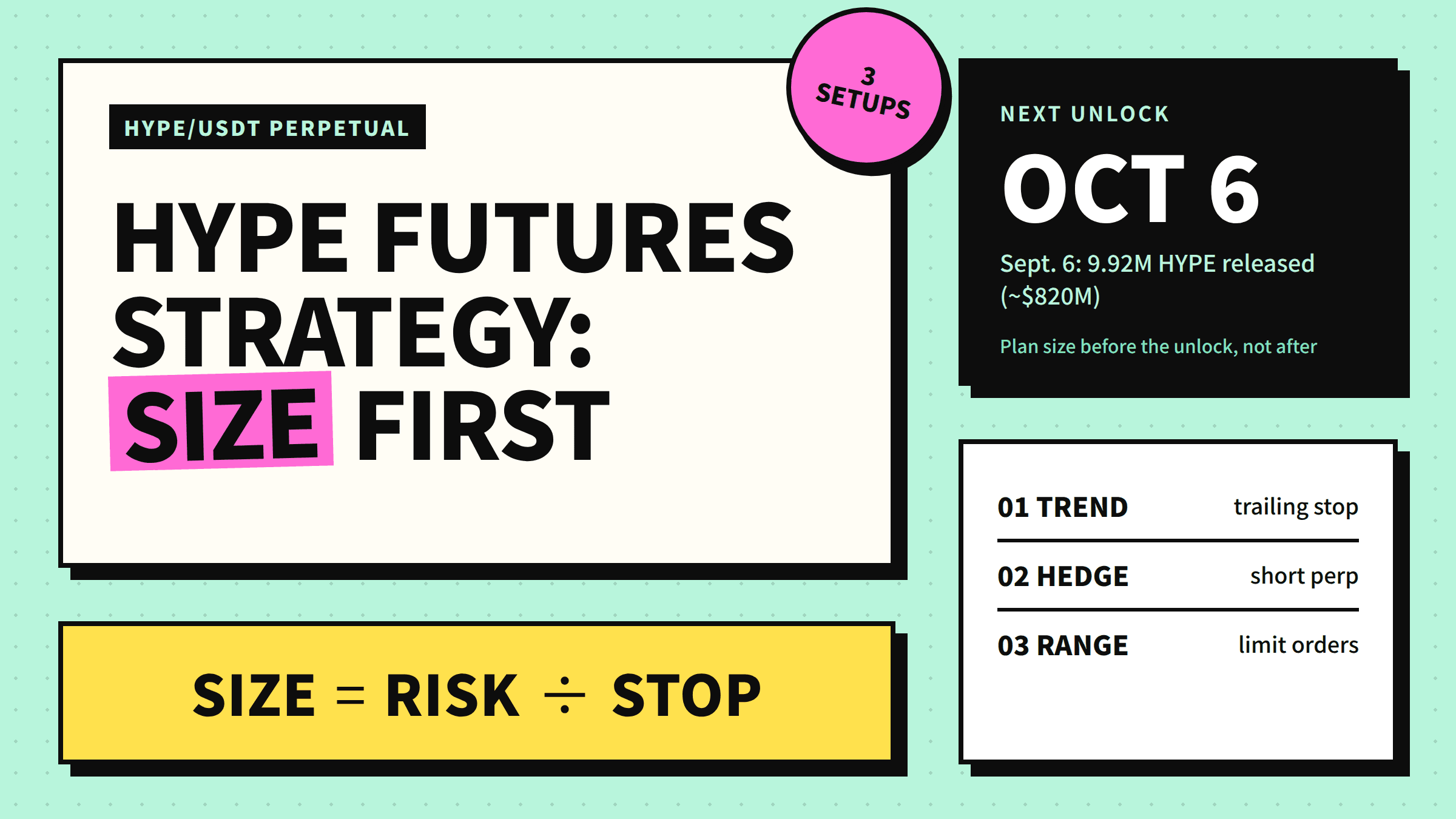
HYPE Futures Trading Strategy: Sizing Rules Around Unlocks
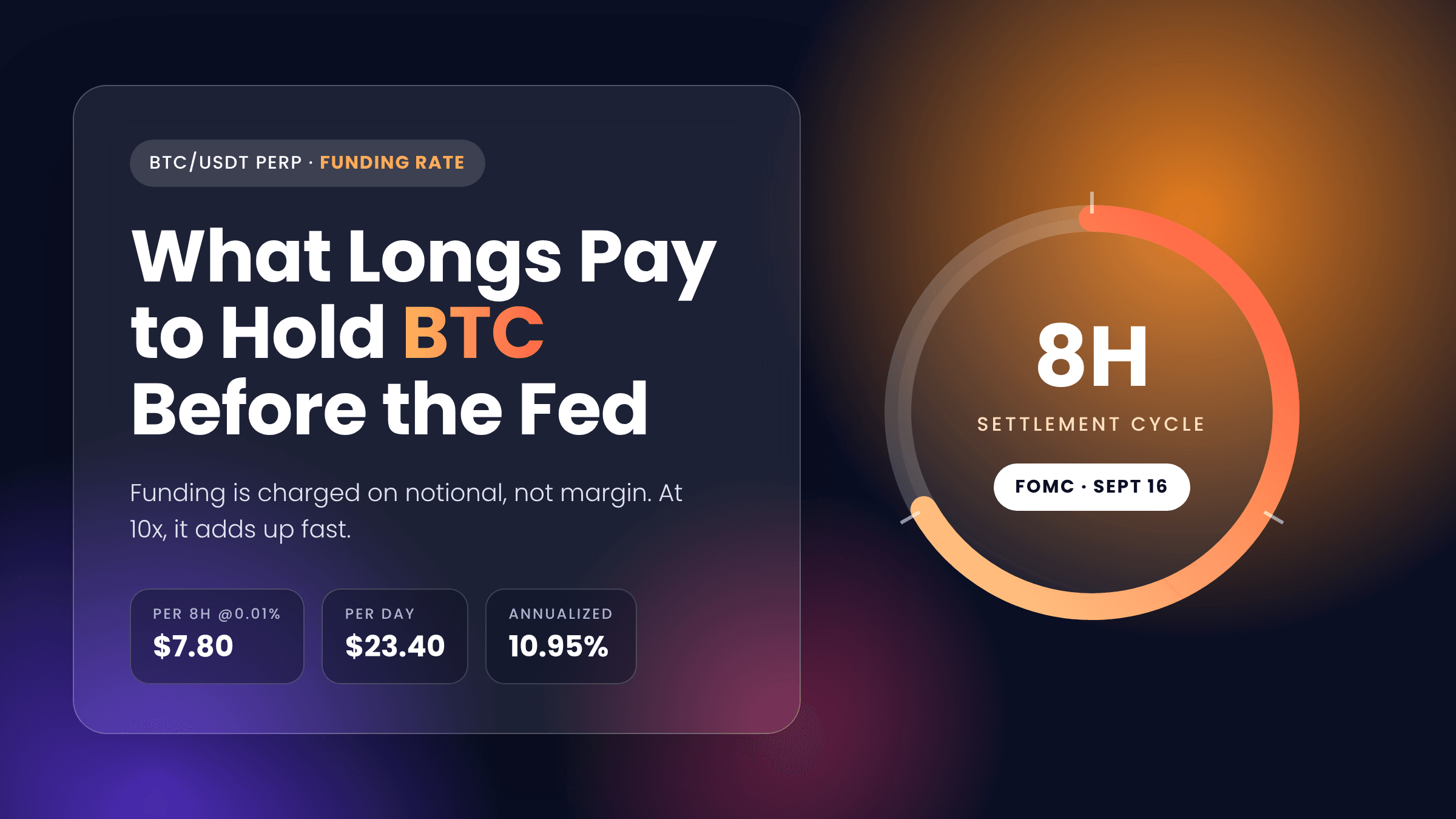
Bitcoin Funding Rate Before the Fed: What Longs Pay to Hold BTC
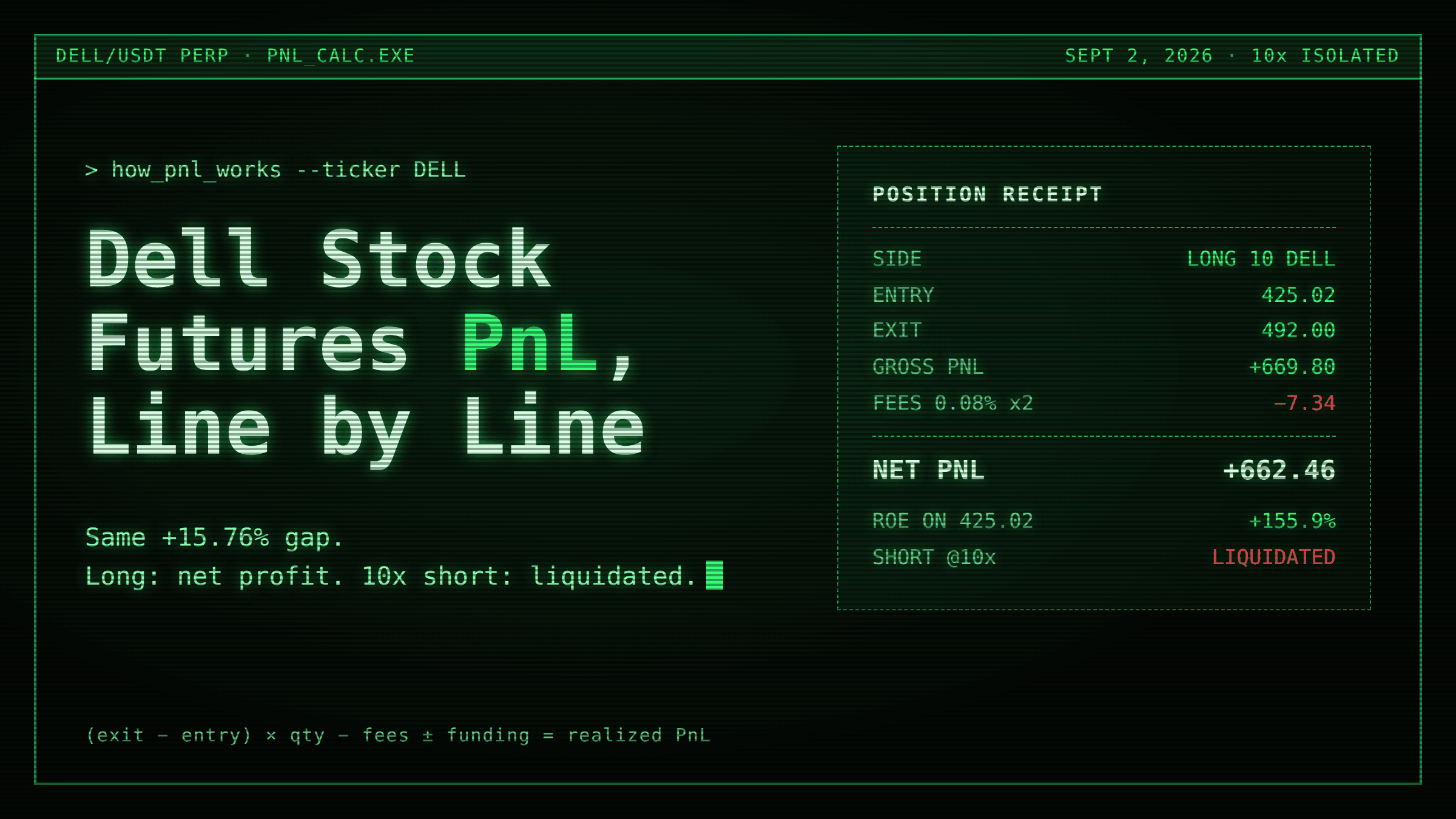
Dell Stock Futures PnL: How Profit and Loss Work on DELL Perps
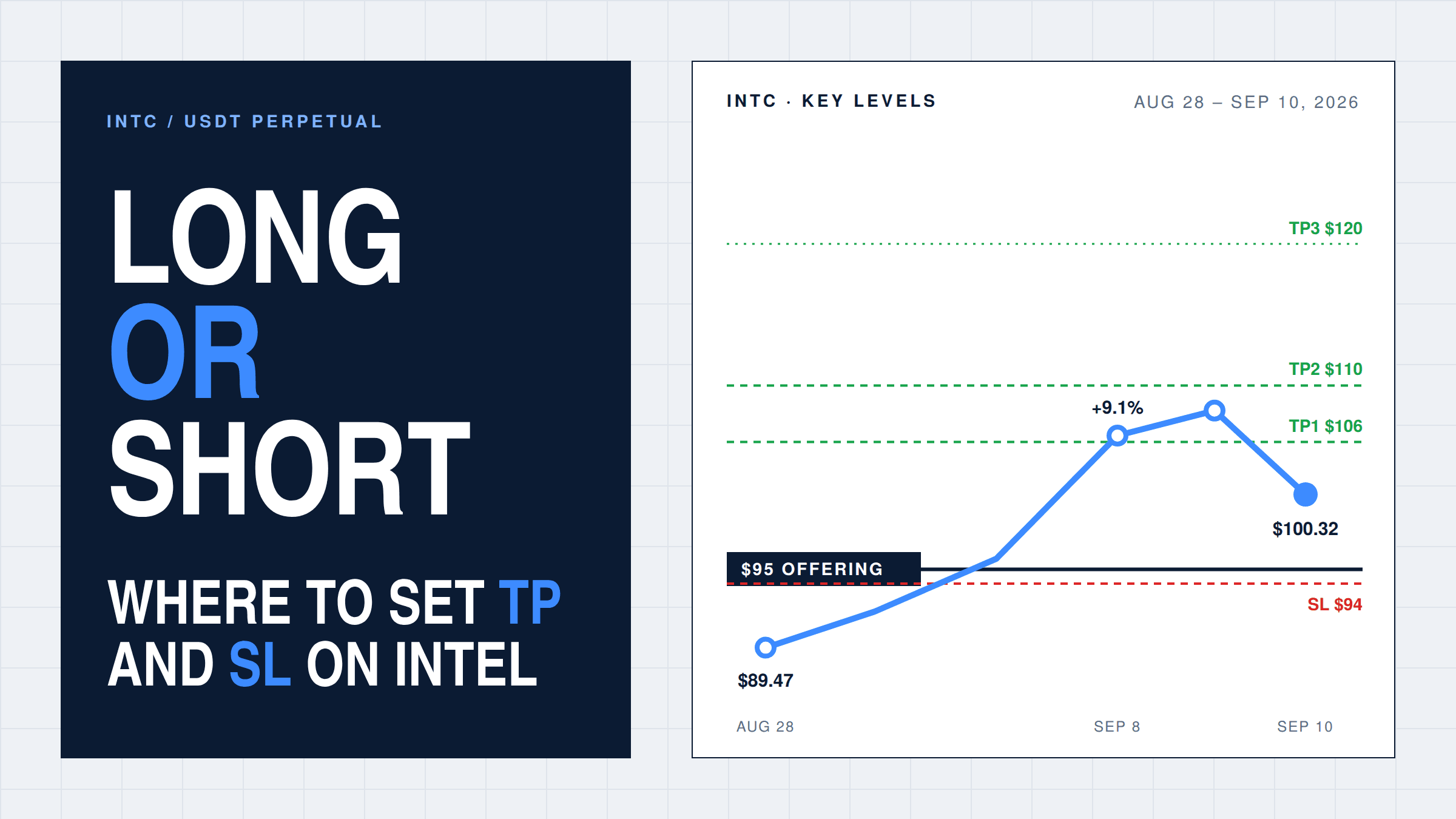
How to Short Intel Stock with Futures: Where to Set TP and SL
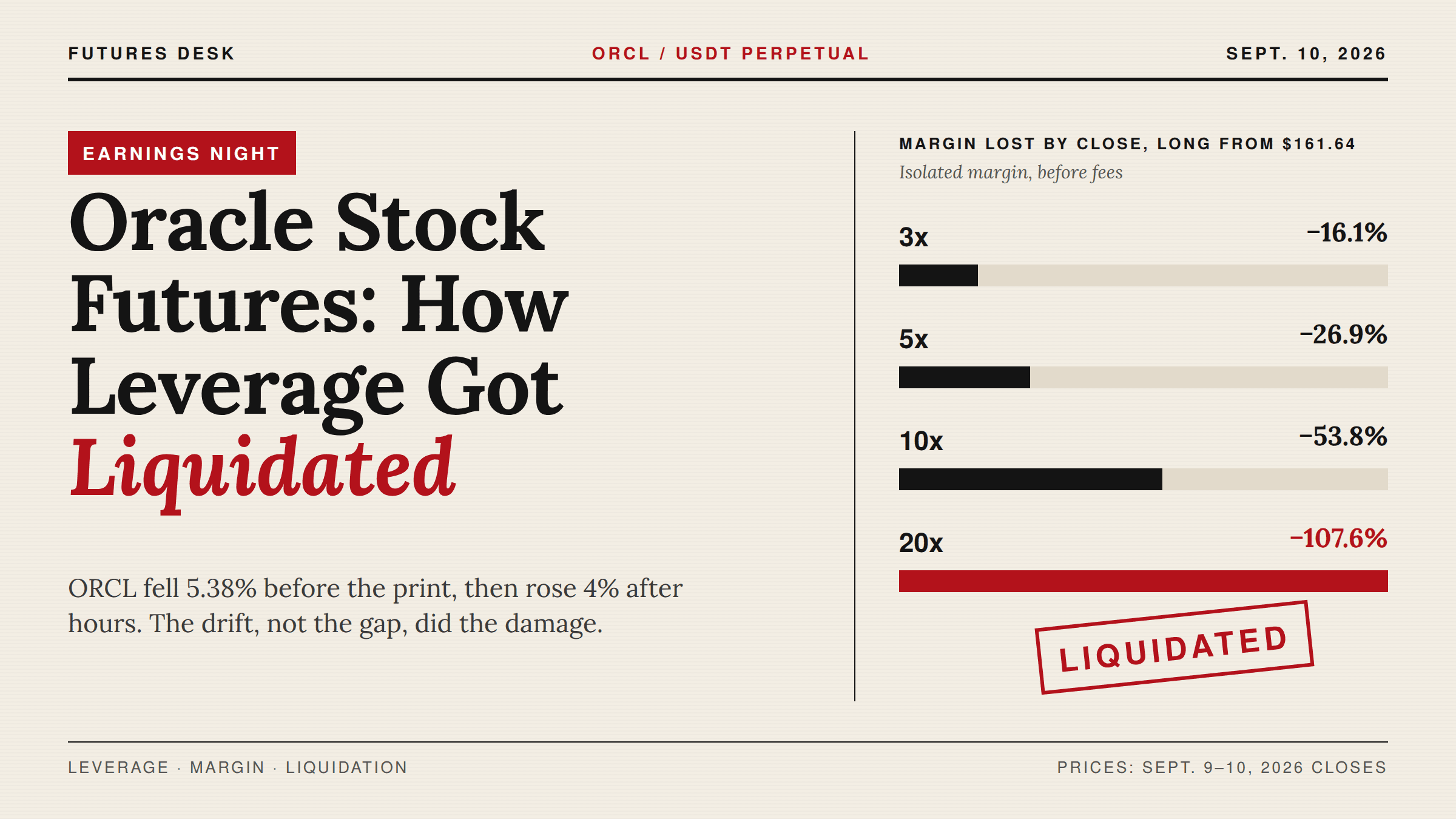
Oracle Stock Futures After Earnings: How Leverage Got Liquidated
What Is SafePal Wallet? A Complete Beginner's Guide
What Is ArithFi (ATF)? Why It Is Not Listed on WEEX
What Is Block Street (BSB)? Tokenomics, Listings and the Unified Liquidity Layer
What Is Bitway (BTW)? Product, Tokenomics and the January WEEX Listing
What Is CHIP? USD.AI Governance, Tokenomics and the Ticker Collision
What Is Genius Terminal (GENIUS)? Product, Tokenomics and Trading Risks


