
Bitcoin and the US Midterms: A Trader's Checklist for Nov. 3-11

 Prefer us on Google

The US midterm elections on Tuesday, Nov. 3, 2026 put all 435 House seats and 35 Senate seats on the ballot, and for crypto the stakes center on whether a market structure bill survives or has to start over. Bitcoin entered the week near $77,700 and ether near $2,266 on Nov. 2, both down sharply from early October after the Binance hack and a run of ETF outflows.
History offers little comfort for anyone hoping for a clean signal. Across the previous three midterms, bitcoin's move in the 30 days after the vote ranged from a 45% decline to a 13% gain, and crypto-specific events mattered more than the election result. Markets also lean toward one outcome: in mid-October, implied odds favored Democrats winning both chambers, at roughly 60%.
Investor surveys show how much the result is tied to expectations. A Bloomberg survey of 301 traders and portfolio managers found 29% expect bitcoin to end 2026 above $100,000 under a Republican-controlled Congress, against 8% under Democratic control, and 71% expect a lower year-end price if Democrats win. This checklist lays out the scenarios, the full event calendar through Nov. 11 and the position checks worth doing before results arrive.
What the Midterms Can Change for Crypto Policy
The main crypto question is the CLARITY Act, the market structure bill that would divide oversight between the SEC and CFTC. If Congress does not pass it before the new session begins on Jan. 3, 2027, the bill expires and would have to be reintroduced from scratch.
Control of the House Financial Services Committee matters most. If Democrats take the House, Maxine Waters, the committee's senior Democrat, would be in line to chair it, and investigations into the Trump family's crypto ventures and the pardon of Binance founder Changpeng Zhao could gain subpoena power.
Regulation would not stop either way. The SEC has proposed rules for crypto assets and the CFTC has proposed an exchange framework, so a split Congress slows legislation more than it slows agency rulemaking. That is part of why some analysts, including Grayscale, argue the result matters less than it appears.
Three Election Scenarios and What Each Means for BTC
These are readings of positioning, not forecasts. Each comes with the market's likely first reaction:
- Democrats win both chambers. The outcome markets priced as most likely. Because it is expected, the initial move may be contained, but regulation-sensitive altcoins, DeFi tokens and crypto stocks could underperform bitcoin as the CLARITY Act's odds fall.
- A split Congress. Legislation likely stalls, and attention shifts back to the Fed and macro data. Crypto would probably treat this as close to a non-event within days.
- Republicans keep both chambers. The least likely outcome at roughly 10% implied odds, and the one with the most room for a surprise rally, as hopes for market structure and stablecoin legislation revive.
The more important point for traders is that a surprise matters more than the winner. An expected Democratic sweep could move less than an unexpected Republican hold.
The Nov. 3-11 Calendar Beyond the Vote
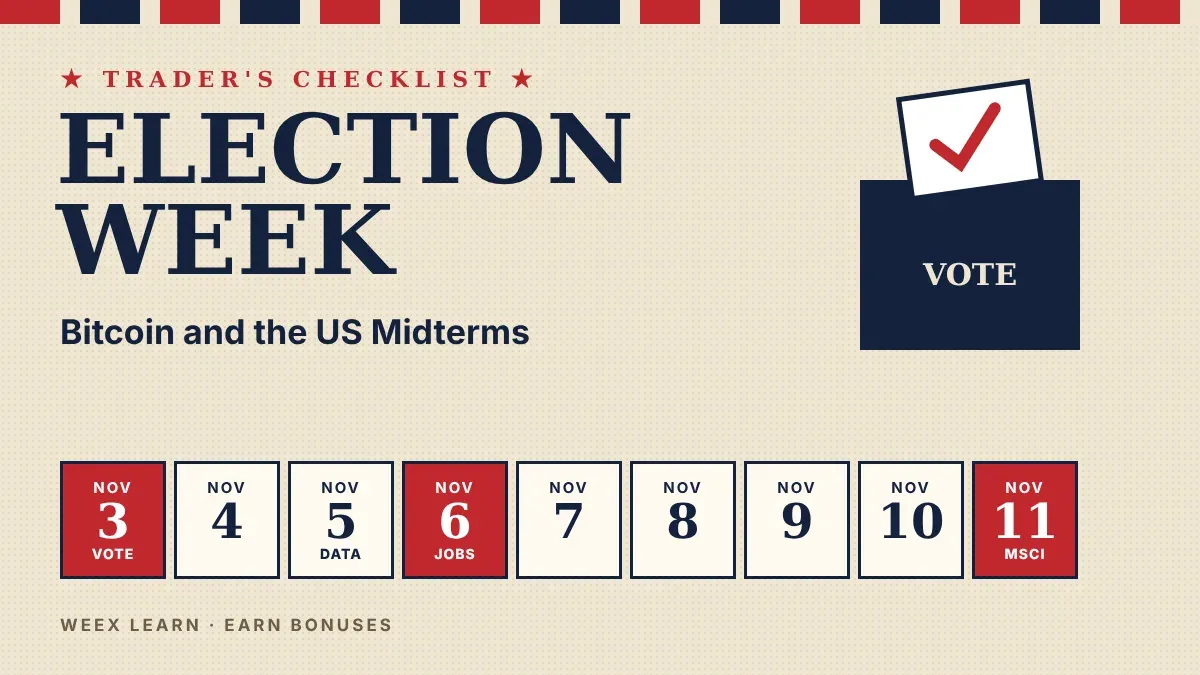
The election is not the only scheduled catalyst. Four dates cluster in the same window:
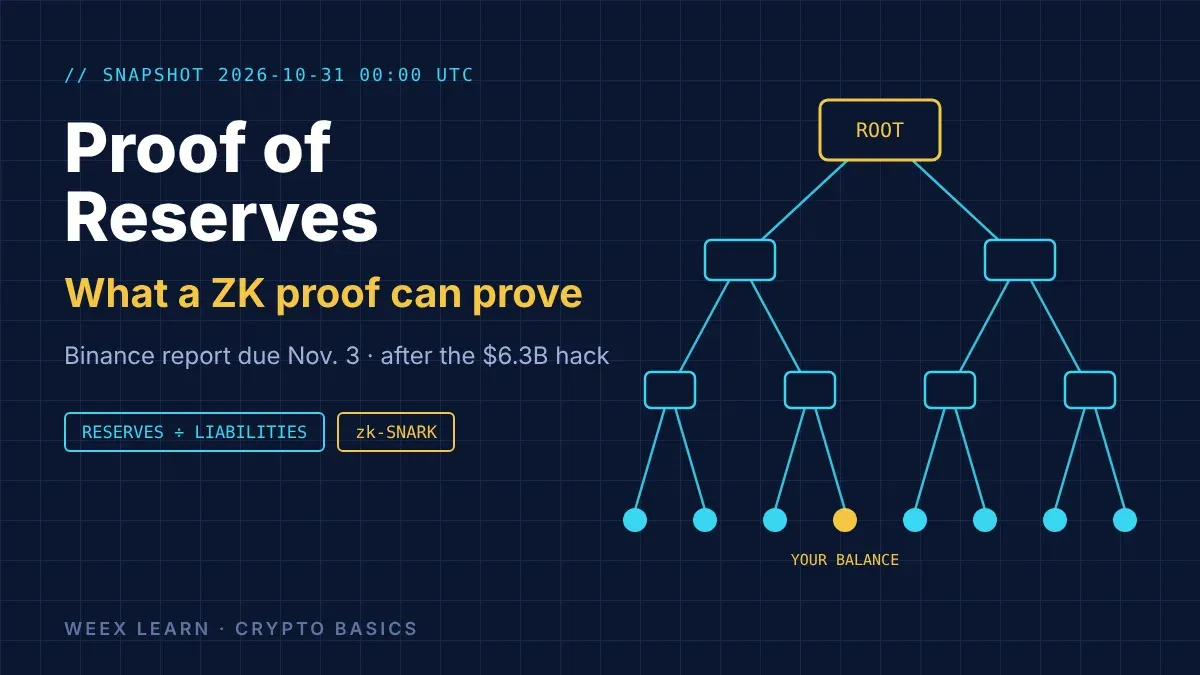
- Nov. 3: election day, with results arriving through Asian trading hours on Nov. 4. Binance's zero-knowledge proof of reserves, based on its Oct. 31 snapshot, is also due that day (UTC).
- Nov. 4-5: ADP employment, ISM services data and weekly jobless claims.
- Nov. 6: the October jobs report, a key input for the Fed's Dec. 9 decision.
- Nov. 11: MSCI announces whether Strategy (MSTR) and other bitcoin treasury firms are removed from its indexes, effective Nov. 30.
Bitcoin options already price an election premium, with implied volatility higher for contracts expiring shortly after Nov. 3. K33 Research noted in October that bitcoin's tight trading range typically precedes a volatility expansion, without saying which direction.
-- Price
A Midterm-Week Checklist for WEEX Traders
Volatility around results can arrive in minutes, often during thin overnight hours. Before Nov. 3, run through these steps on any open position:
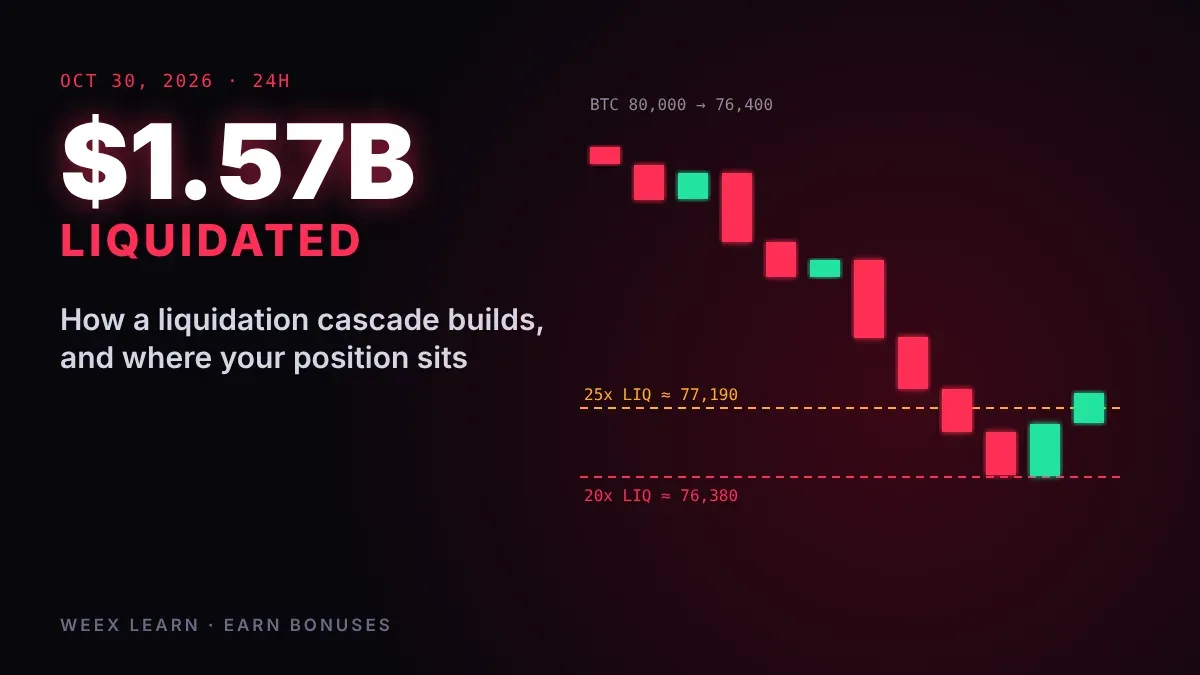
- Check your liquidation distance. Open the WEEX BTC-USDT perpetual and compare entry with the estimated liquidation price. On Oct. 30 bitcoin fell about 4.5% overnight; a 20x long has roughly that much room.
- Lower leverage before the vote. Reducing size costs little compared with being forced out by a single results-night candle.
- Set stops with the right trigger. Mark price ignores brief spikes; last price reacts faster. Our guide on why stop losses fail to trigger or fill explains the trade-off.
- Watch the funding countdown. Holding through several settlements during a volatile week adds cost. The WEEX funding fee guide shows how to calculate it.
- Avoid entering just before results. The first reaction often reverses. Waiting for the first hourly candle to close after major calls can save a bad fill.
- Track spot separately. Long-term holders can follow price on the Bitcoin price page without leverage at stake.
In practice, the midterms are a known date with an unknown reaction, which is the easiest kind of risk to prepare for. Size positions so that any of the three scenarios is survivable, and let the market show its hand first.
FAQ
1. When are the 2026 US midterm elections?
Tuesday, Nov. 3, 2026. All 435 House seats and 35 Senate seats are up. Many results come in overnight, which falls during Asian trading hours on Nov. 4.
2. Does bitcoin usually rise after US midterm elections?
Not reliably. In the 30 days after each of the last three midterms, bitcoin's move ranged from a 45% fall to a 13% gain, with crypto-specific events often mattering more than the vote.
3. What happens to the CLARITY Act if Democrats win Congress?
If the bill does not pass before Jan. 3, 2027, it expires and must be reintroduced. A Democratic Congress would likely restart negotiations, which could delay federal market structure rules for crypto.
4. How should I manage futures positions during election week?
Lower leverage, confirm your stop sits well inside the liquidation price, check funding costs and avoid entering right before results. These steps limit damage from fast, two-way moves.
This content is provided for general informational purposes only and doesn't constitute financial, investment, legal, or tax advice. Any events, rewards, online promotions, or related information mentioned herein should not be considered a recommendation, solicitation, or invitation to purchase, sell, trade, or otherwise deal in any crypto assets. Crypto assets are highly volatile and may result in loss. The availability of WEEX services, products, and related events may vary by region. You are responsible for ensuring that your participation is in accordance with applicable local laws and regulations.
You may also like
Crypto Liquidation Cascade: What the $1.57B Oct. 30 Flush Taught
Dutch 36% Crypto Tax: Why Wallets Get Taxed Differently From ETFs
Binance Proof of Reserves: What the Nov. 3 ZK Report Can Prove
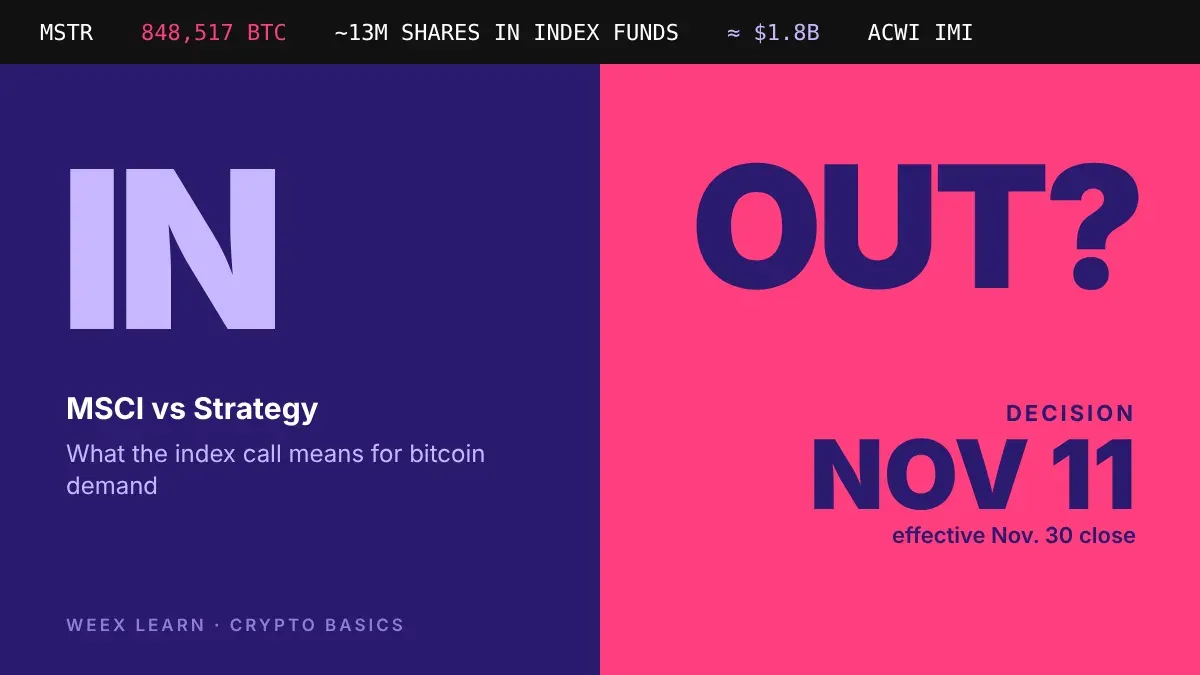
MSCI vs Strategy: What the Nov. 11 Index Decision Means for BTC

Binance Hack Explained: What Is Confirmed, What Is Disputed and What Users Should Do Now
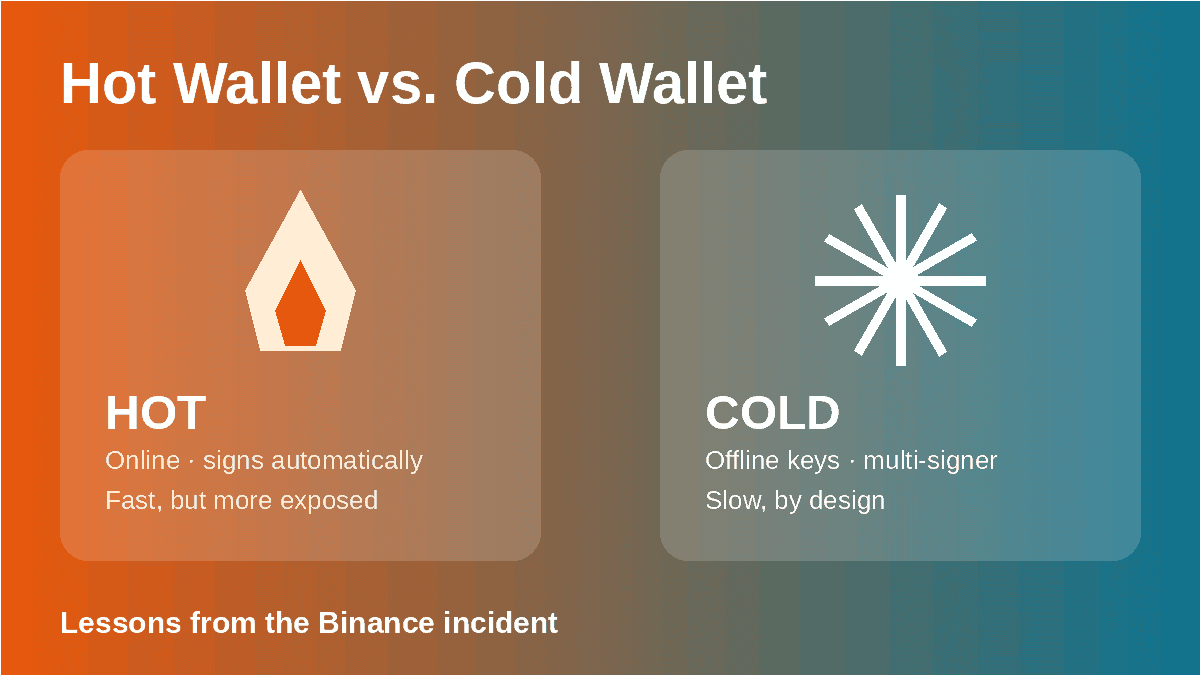
Hot Wallet Security Explained: Lessons From the Binance Incident

How Do Stablecoin Issuers Make Money? The Business Behind a $1 Token
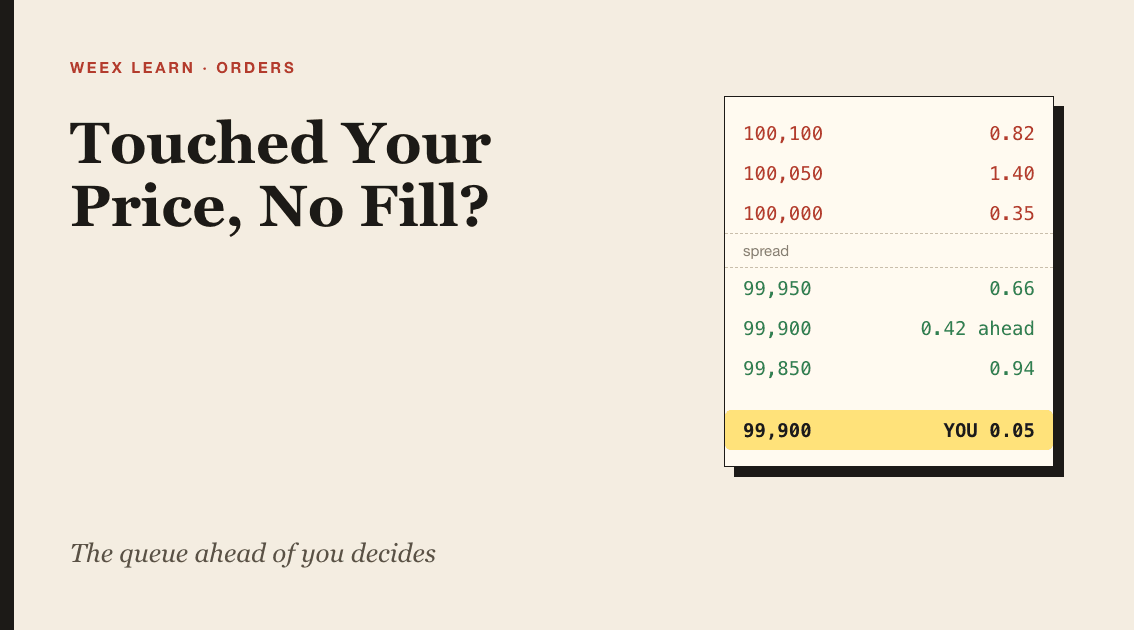
BTC Fights for $80K Before the Fed: Why Leverage Hasn't Flushed
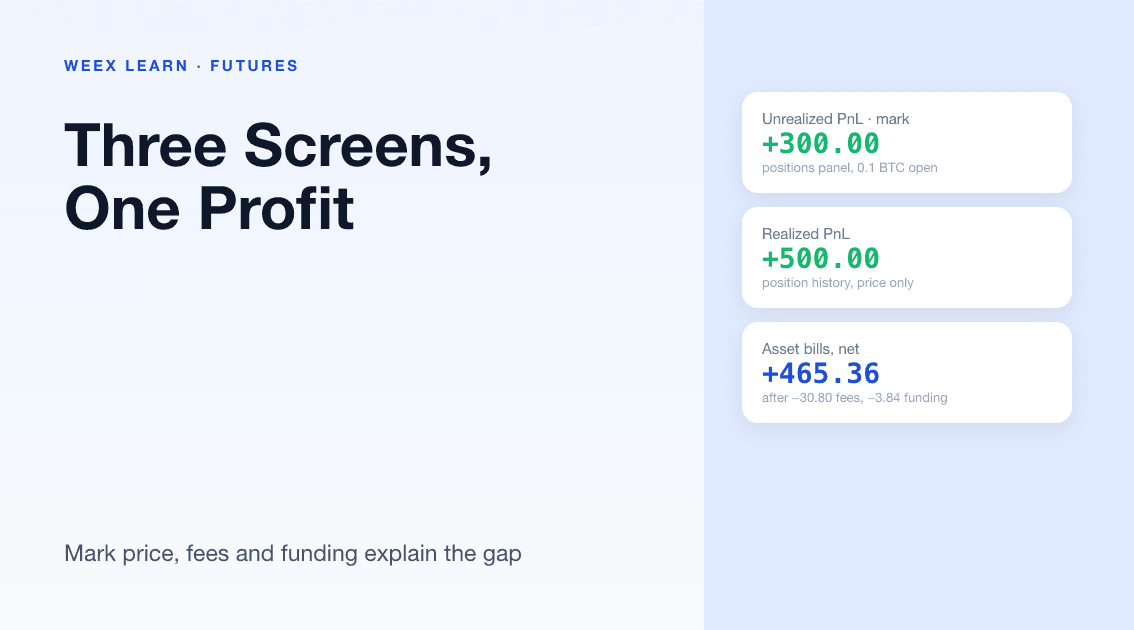
WEEX Futures PnL: Why Your Three PnL Numbers Rarely Match
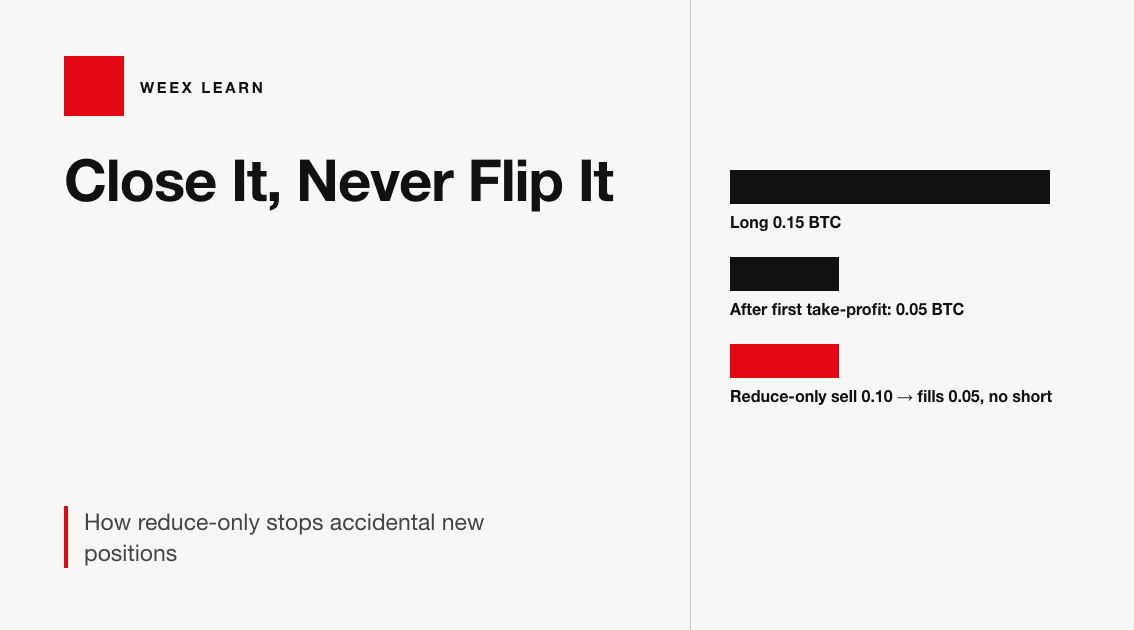
WEEX Reduce-Only Order: What It Does and When It Gets Cancelled
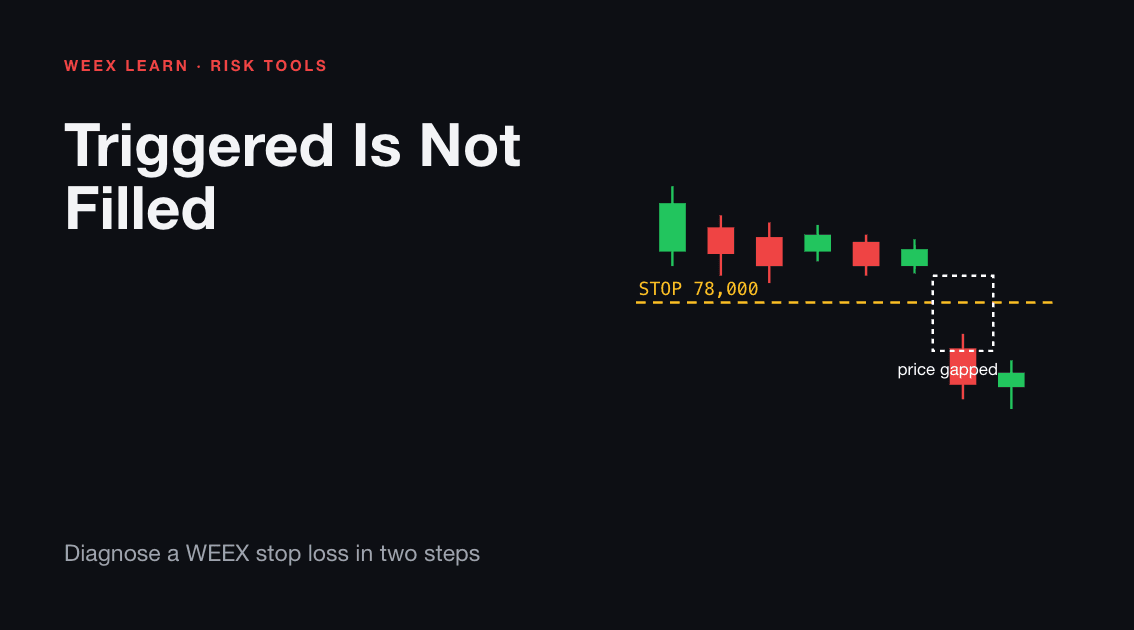
WEEX Stop Loss Not Triggered? Check the Trigger, Then the Fill
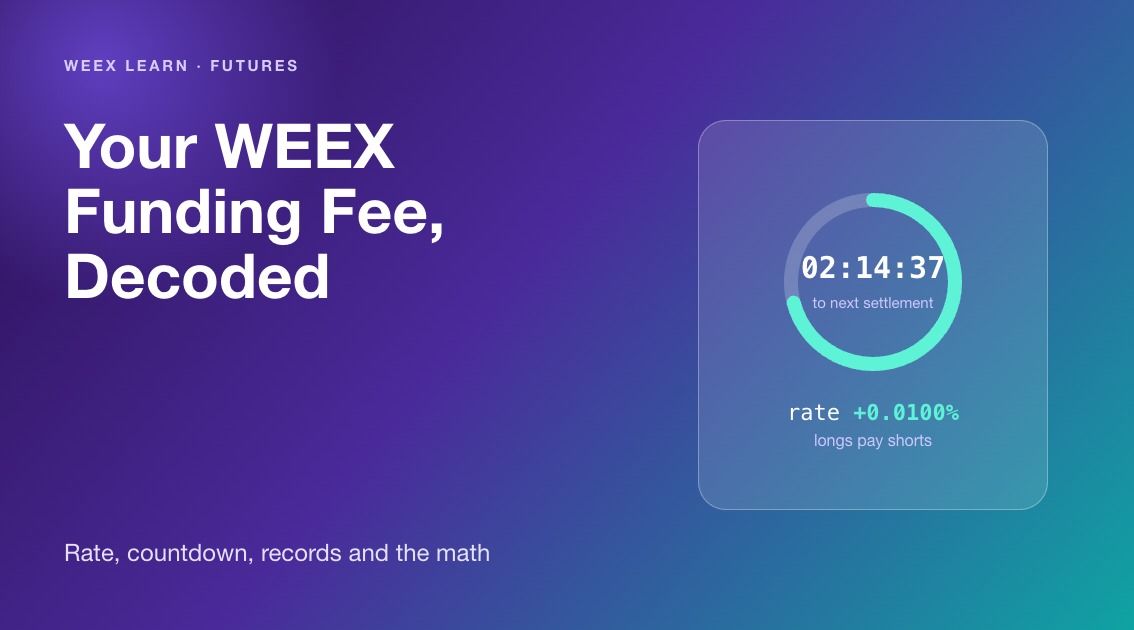
WEEX Funding Fee Explained: Rate, Countdown, Records and Math
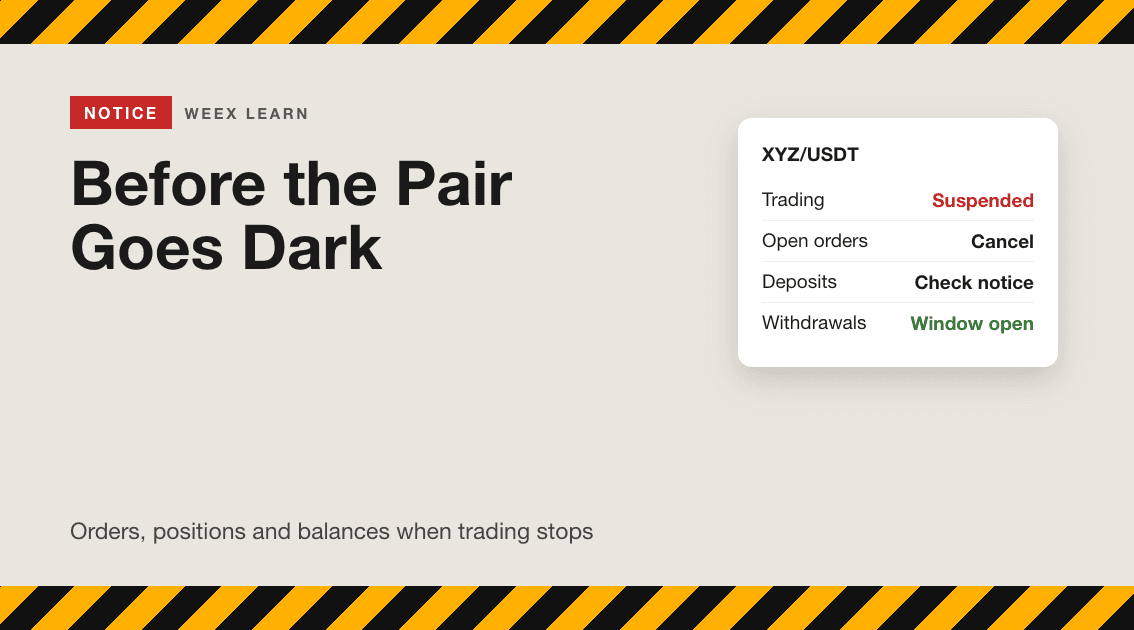
WEEX Trading Pair Suspended or Delisted? Your Orders and Assets
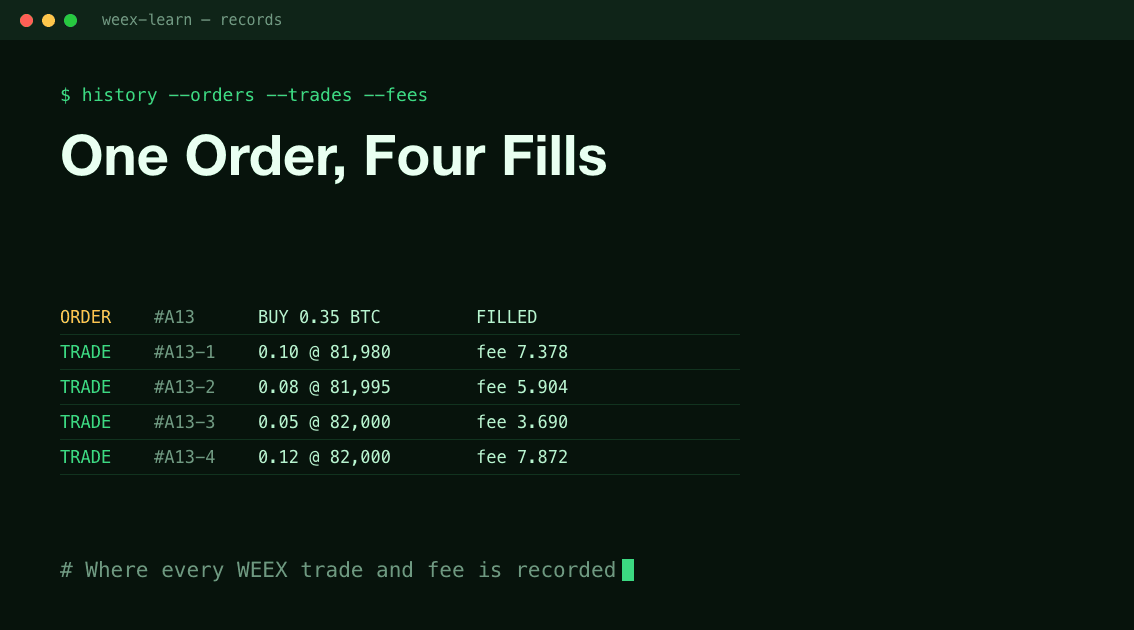
WEEX Order History: How Orders, Fills and Fees Fit Together
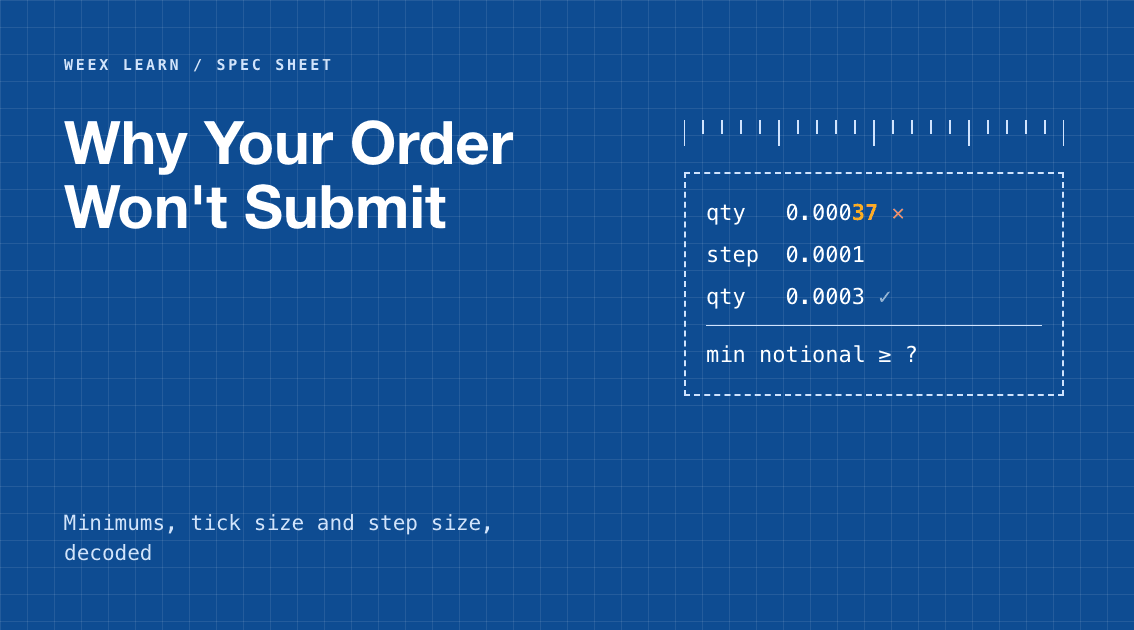
WEEX Minimum Order Size Errors Explained With Rounding Examples
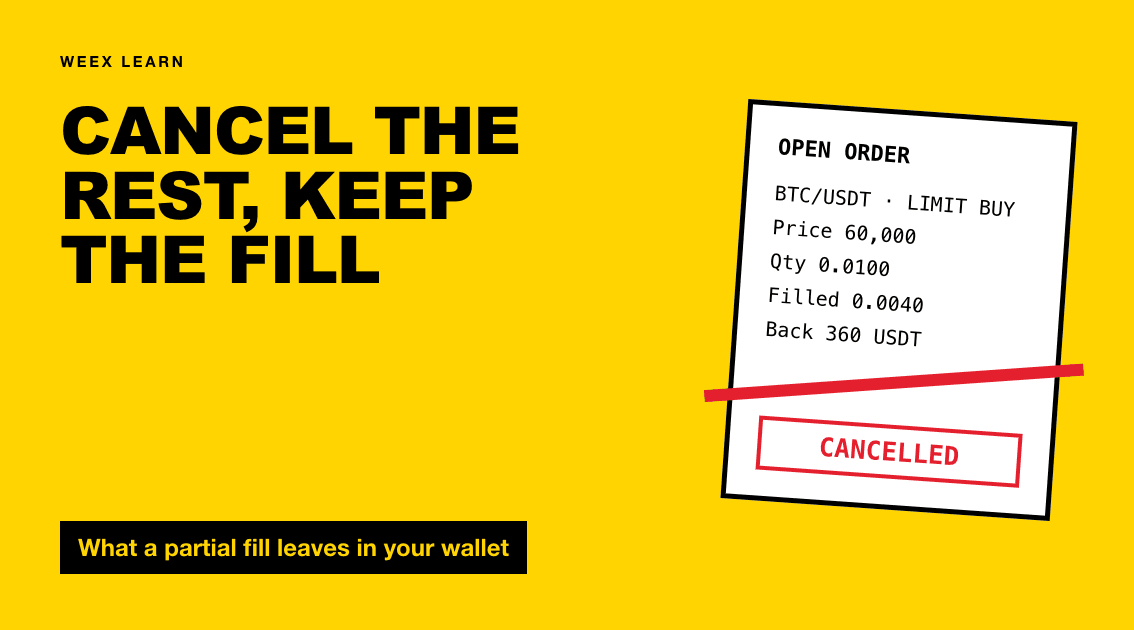
Cancel WEEX Spot Order: What Returns to Your Balance and When
WEEX Limit Order Not Filled? Read the Book, Then Fix the Order
How to Spot Trade on WEEX: From Pair Choice to a Confirmed Fill

How to Convert ETH to USDT on WEEX: Step-by-Step Guide
How to Convert USDT to BTC on WEEX: Step-by-Step Guide
How to Convert BTC to USDT: A Step-by-Step WEEX Guide

BTC Funding Rate and Open Interest: What Each One Measures and How to Read Them Together
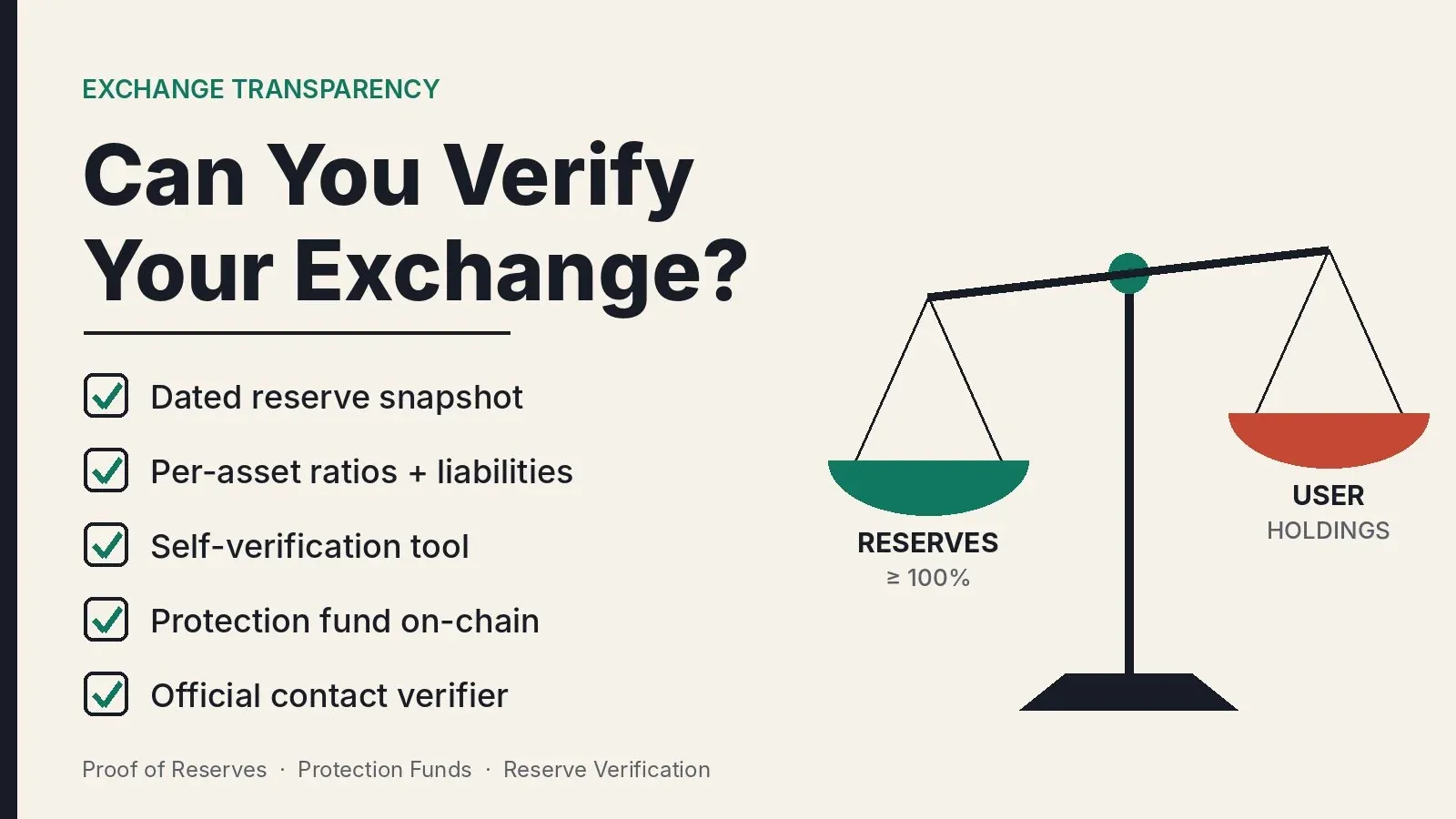
How Transparent Is a Crypto Exchange? Checking Proof of Reserves and Protection Funds
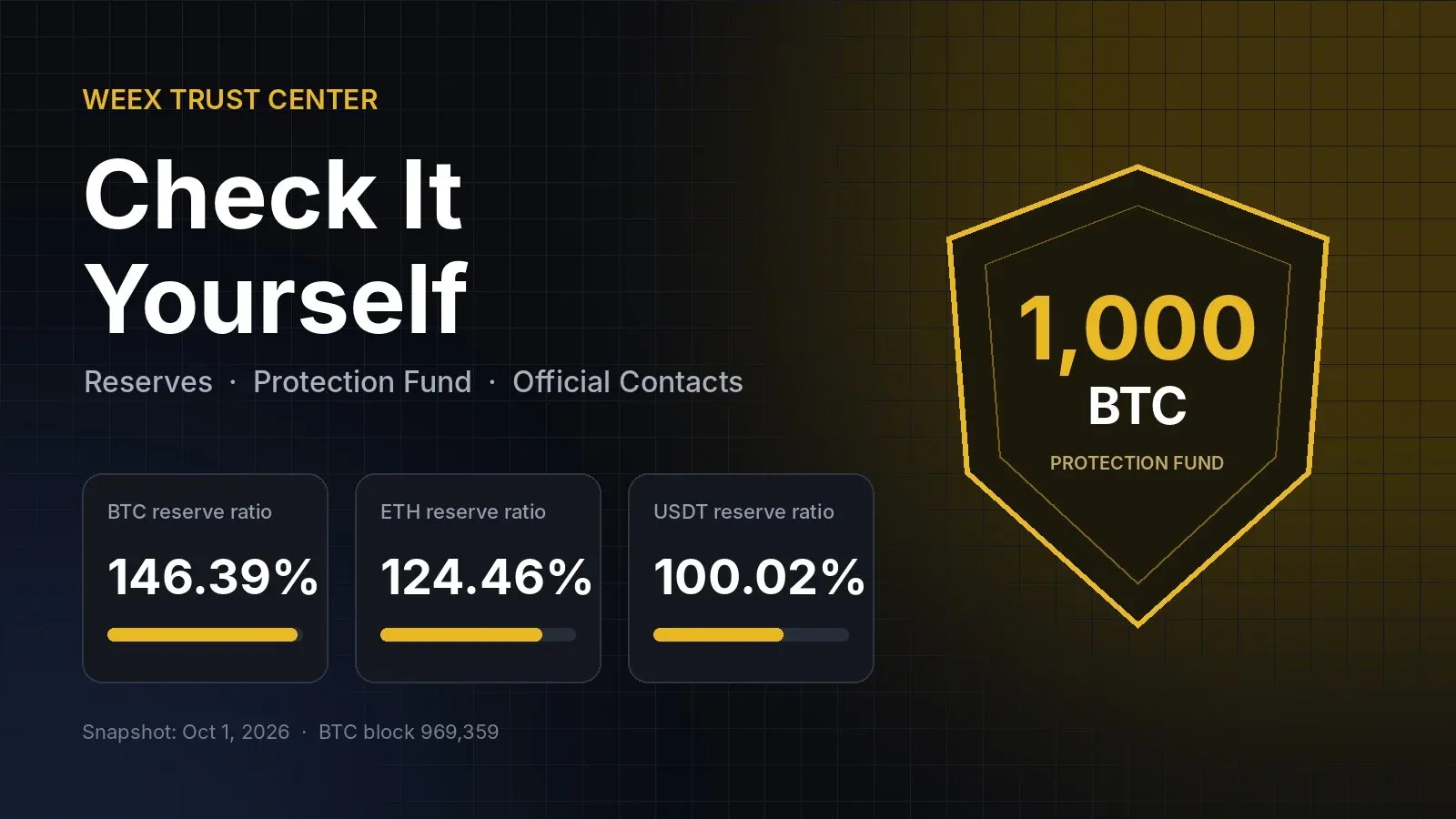
How to Use the WEEX Trust Center: Check Reserves, Protection Fund and Official Contacts

Crypto Leverage Trading Explained: How Perpetual Futures, Margin and Liquidation Work
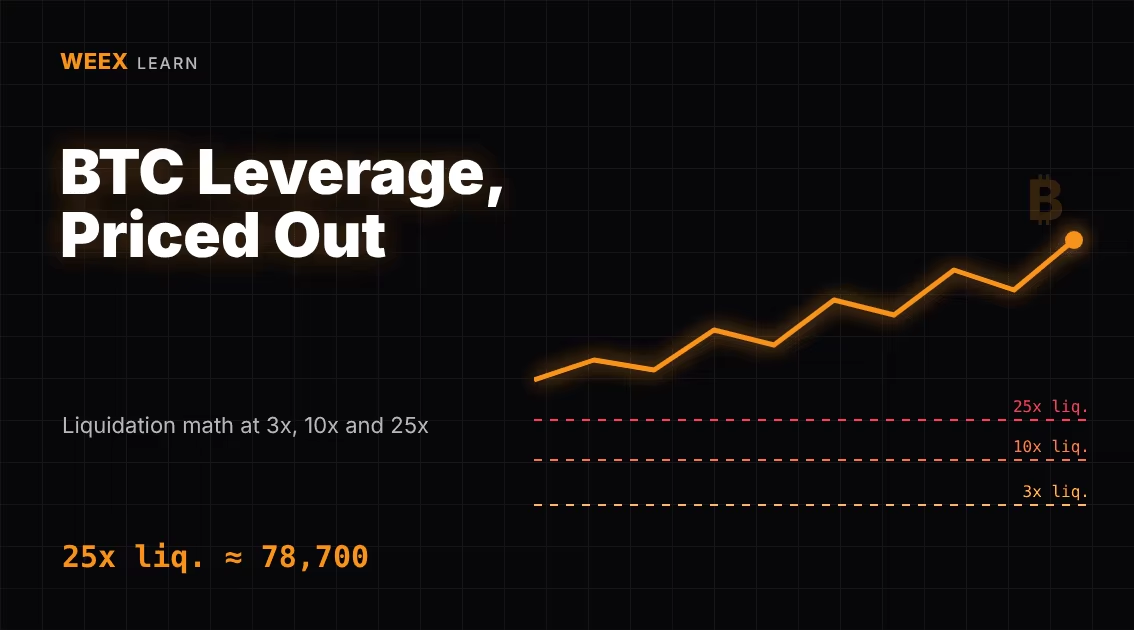
Bitcoin Margin Trading: BTC Liquidation Math at 3x, 10x and 25x

Crypto Leverage Trading Platform: 6 Checks Before You Deposit
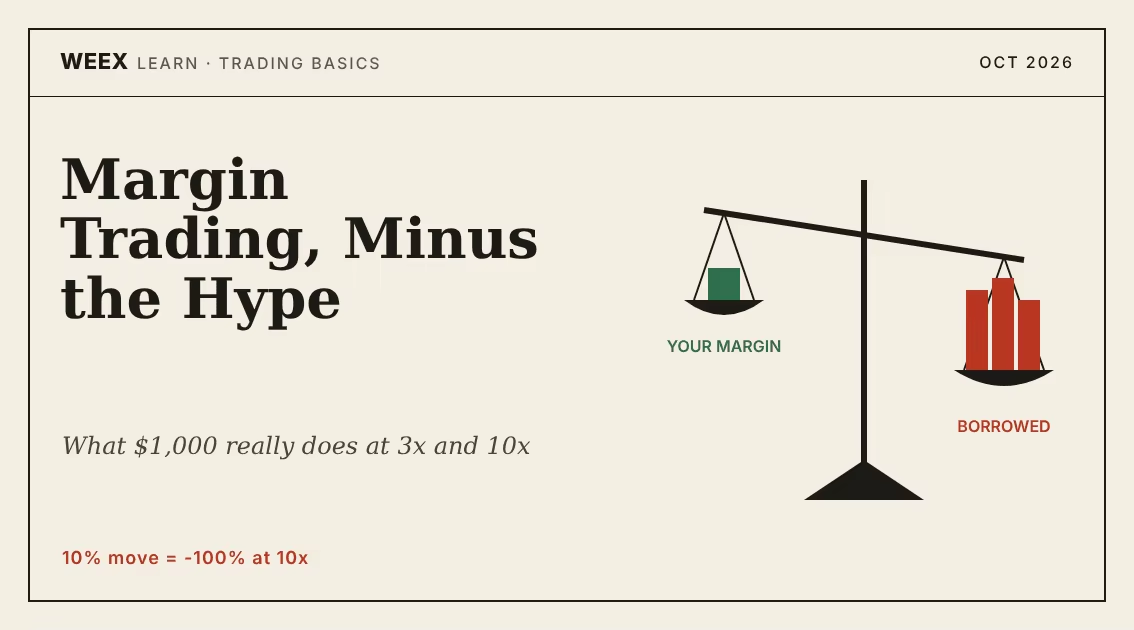
What Is Margin Trading? A $1,000 Example at 3x and 10x Leverage
How to Day Trade Crypto for Beginners: The Math Behind One Trade

Trading Psychology for Beginners: Crypto Traps and Hard Rules
Crypto Liquidation Cascade: What the $1.57B Oct. 30 Flush Taught
Dutch 36% Crypto Tax: Why Wallets Get Taxed Differently From ETFs
Binance Proof of Reserves: What the Nov. 3 ZK Report Can Prove
MSCI vs Strategy: What the Nov. 11 Index Decision Means for BTC
Binance Hack Explained: What Is Confirmed, What Is Disputed and What Users Should Do Now
Hot Wallet Security Explained: Lessons From the Binance Incident





