
Dutch 36% Crypto Tax: Why Wallets Get Taxed Differently From ETFs

 Prefer us on Google

The Netherlands plans to tax actual investment returns in Box 3 at a flat 36% from Jan. 1, 2028, and under the cabinet's draft amendment of Oct. 2, 2026, crypto you hold directly would still be taxed every year on gains you have not cashed in. Shares, bonds, ETFs and options, by contrast, would move to a system that taxes gains only when you sell. That split, not the 36% headline rate, is what Dutch crypto holders should focus on.
The bill is not law yet. The Dutch House of Representatives approved the Actual Return in Box 3 Act in February 2026, but the Senate (Eerste Kamer) has not voted. After it became clear that parts of the bill lacked Senate support, the cabinet sent the draft amendment, known as a novelle, to the Council of State for urgent advice. The Senate finance committee questioned the pace of the process at a meeting on Oct. 5.
Until 2028 the current system stays. For 2026, the tax office assumes a 6.00% return on investments and other assets, including crypto, and taxes that assumed return at 36%, with an option to prove a lower actual return. For 2027, the amendment proposes a 7.87% assumed return for other assets and a tax-free allowance of €30,846, both still proposals.
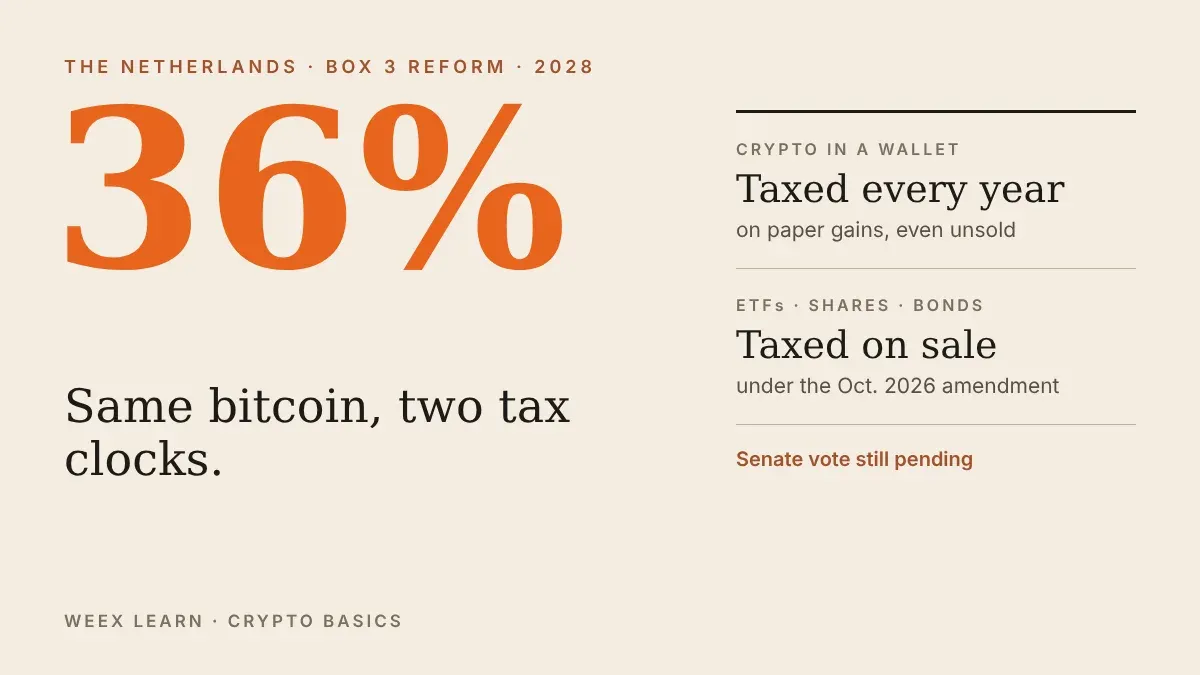
How the 36% Tax on Unrealized Crypto Gains Would Work
Under the House-passed version, your taxable result is the change in value of your Box 3 assets over the year plus any income, minus a tax-free return of €1,800. Nothing has to be sold for a gain to count. Here is how that plays out on a single bitcoin, using illustrative euro prices:
- Jan. 1, 2028: 1 BTC valued at €60,000.
- Dec. 31, 2028: the same 1 BTC valued at €75,000, a paper gain of €15,000.
- Taxable return: €15,000 minus the €1,800 allowance, or €13,200.
- Tax due: 36% of €13,200, or €4,752, payable even though you still hold the coin.
If you have no cash set aside, paying that bill means selling about 0.063 BTC at the year-end price. Now suppose bitcoin falls to €50,000 by the end of 2029. You have a €25,000 paper loss. Under the House version, losses above €500 can be carried forward to offset future gains, but you do not get the €4,752 back. That is the liquidity problem critics keep returning to: tax is due on value that can disappear before you ever realize it.
Why Direct Crypto Is Treated Differently From Crypto ETFs
The October amendment draws a line using the legal definition of a financial instrument under the Dutch Financial Supervision Act. Instruments on that list, such as shares, bonds, ETFs and options, would shift to a capital gains model from 2028, taxed on sale. Crypto held in a wallet or on an exchange is not a financial instrument under that law, so it stays under the annual tax on paper gains, expected to last until around 2030.
The practical effect is odd. Two Dutch residents with the same bitcoin exposure could face different tax timing depending on the wrapper. One holding BTC in a wallet pays every year on paper gains. One holding a crypto exchange-traded product through a broker would pay only on sale, provided the product qualifies as a financial instrument.
That gap has drawn pushback. The Senate's public file on the bill shows a run of letters from citizens between late September and Oct. 10, 2026, many objecting to unequal treatment of crypto and precious metals. Whether the Senate accepts the split, or pushes for crypto to join the tax-on-sale group, is the open question.
What Dutch Crypto Holders Can Do Before 2028
Nothing here is tax advice, and the rules may still change. Still, a few steps make sense whichever version passes:
- Keep clean records now. Note the value of each holding on Jan. 1 every year and keep purchase records. An annual mark-to-market tax depends on start and end values you can defend.
- Plan a cash buffer. If the annual model applies, a strong year creates a bill without creating cash. Treat part of any gain as already owed.
- Don't restructure in a hurry. Moving from coins to an ETP has costs, including fees and tracking differences, and the final law may treat them the same.
- Expect more reporting. The EU's DAC8 rules require crypto service providers to report customer data to tax authorities from 2026, so holdings on exchanges are increasingly visible.
- Run the numbers. A quick estimate with WEEX's Bitcoin tax calculator, which includes a Netherlands section in its notes, helps size a likely bill. Check live values on the Bitcoin price page.
-- Price
What Happens Next for the Dutch Box 3 Reform
The next checkpoints are procedural rather than market events. The Council of State is due to advise on the amendment. The cabinet then has to submit the amendment to parliament. Only after that can the Senate vote on the full package, with Jan. 1, 2028 still the target start date. The tax-free threshold also remains under negotiation.
The better reading is that the 36% rate is close to settled, while the treatment of crypto is not. For holders with large unrealized gains, the outcome of that last argument matters more than any single month's price.
FAQ
1. When does the Dutch tax on unrealized crypto gains start?
The target date is Jan. 1, 2028. The House approved the bill in February 2026, but the Senate has not voted and an amendment is pending, so the start date and details can still change.
2. Is crypto taxed at 36% of its value every year?
No. The 36% applies to your return for the year, meaning the change in value plus income, minus a tax-free return. A year with no gain produces no tax under that part of the system.
3. Would a bitcoin ETF be taxed differently from bitcoin in a wallet?
Under the October 2026 amendment, yes. Listed financial instruments such as ETFs would be taxed on sale from 2028, while directly held crypto stays on annual taxation of paper gains until around 2030.
4. How is crypto taxed in the Netherlands in 2026?
Crypto falls in Box 3. For 2026 the tax office assumes a 6.00% return on other assets, taxed at 36%, and you can show a lower actual return if yours was lower.
This content is provided for general informational purposes only and doesn't constitute financial, investment, legal, or tax advice. Any events, rewards, online promotions, or related information mentioned herein should not be considered a recommendation, solicitation, or invitation to purchase, sell, trade, or otherwise deal in any crypto assets. Crypto assets are highly volatile and may result in loss. The availability of WEEX services, products, and related events may vary by region. You are responsible for ensuring that your participation is in accordance with applicable local laws and regulations.
You may also like
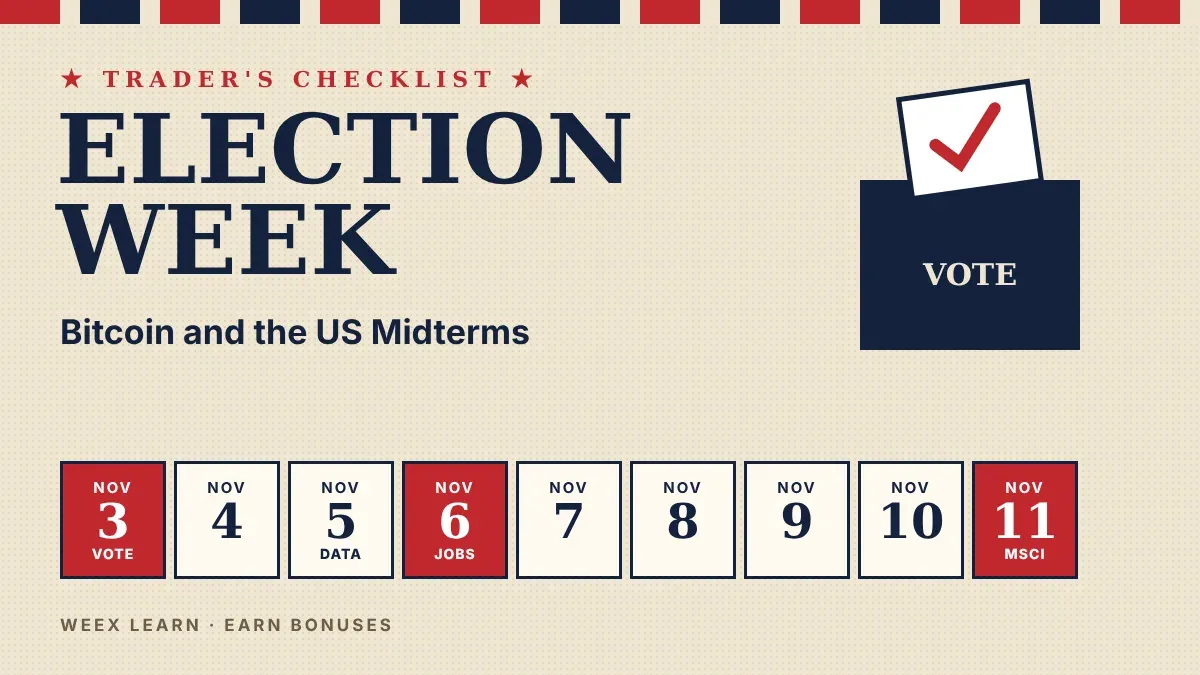
Bitcoin and the US Midterms: A Trader's Checklist for Nov. 3-11
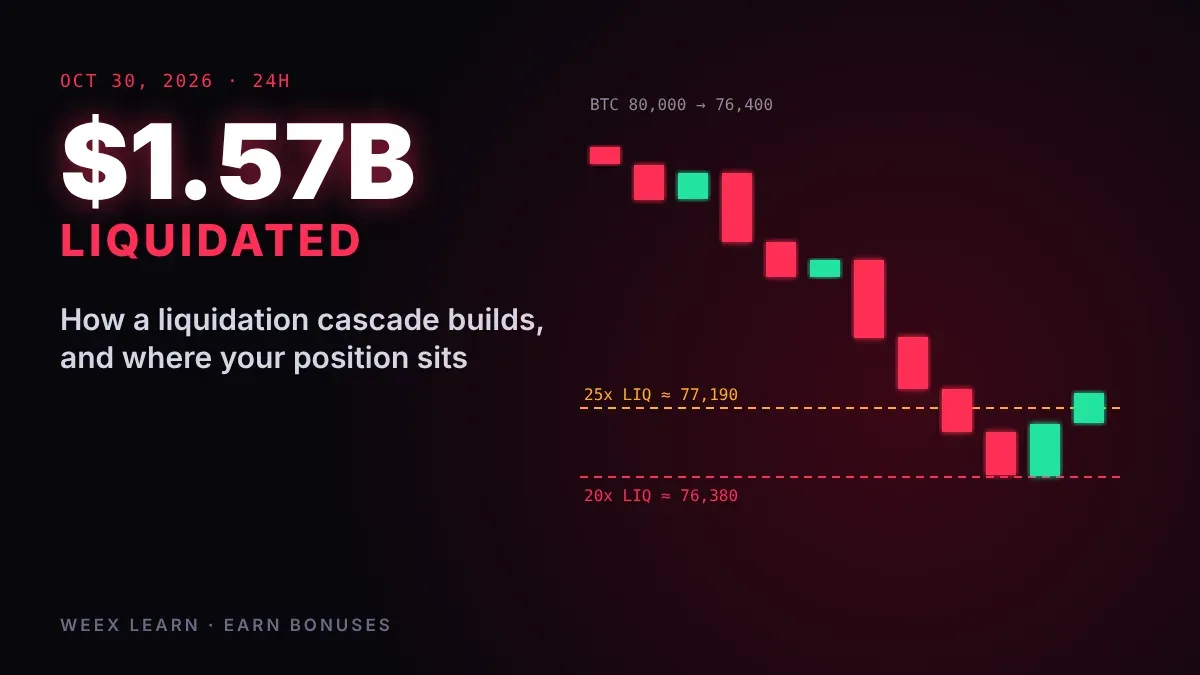
Crypto Liquidation Cascade: What the $1.57B Oct. 30 Flush Taught
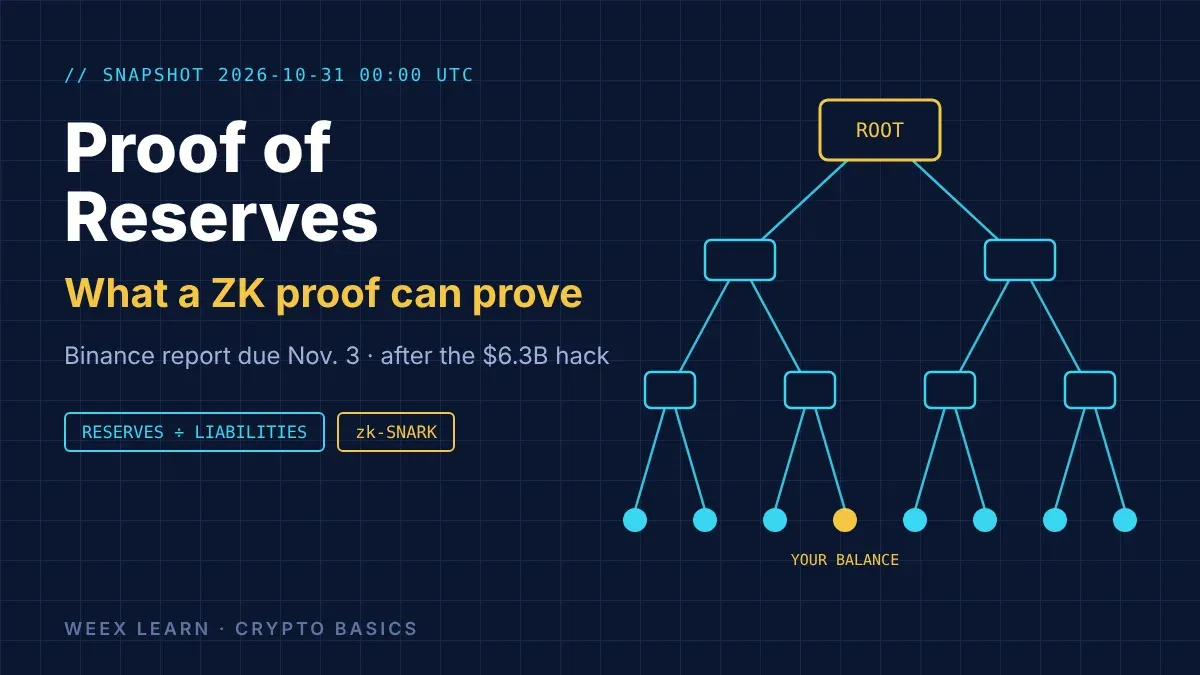
Binance Proof of Reserves: What the Nov. 3 ZK Report Can Prove
MSCI vs Strategy: What the Nov. 11 Index Decision Means for BTC

Binance Hack Explained: What Is Confirmed, What Is Disputed and What Users Should Do Now
Hot Wallet Security Explained: Lessons From the Binance Incident
How Do Stablecoin Issuers Make Money? The Business Behind a $1 Token
BTC Fights for $80K Before the Fed: Why Leverage Hasn't Flushed
WEEX Futures PnL: Why Your Three PnL Numbers Rarely Match
WEEX Reduce-Only Order: What It Does and When It Gets Cancelled
WEEX Stop Loss Not Triggered? Check the Trigger, Then the Fill
WEEX Funding Fee Explained: Rate, Countdown, Records and Math
WEEX Trading Pair Suspended or Delisted? Your Orders and Assets
WEEX Order History: How Orders, Fills and Fees Fit Together
WEEX Minimum Order Size Errors Explained With Rounding Examples

Cancel WEEX Spot Order: What Returns to Your Balance and When
WEEX Limit Order Not Filled? Read the Book, Then Fix the Order
How to Spot Trade on WEEX: From Pair Choice to a Confirmed Fill
How to Convert ETH to USDT on WEEX: Step-by-Step Guide
How to Convert USDT to BTC on WEEX: Step-by-Step Guide
How to Convert BTC to USDT: A Step-by-Step WEEX Guide

BTC Funding Rate and Open Interest: What Each One Measures and How to Read Them Together
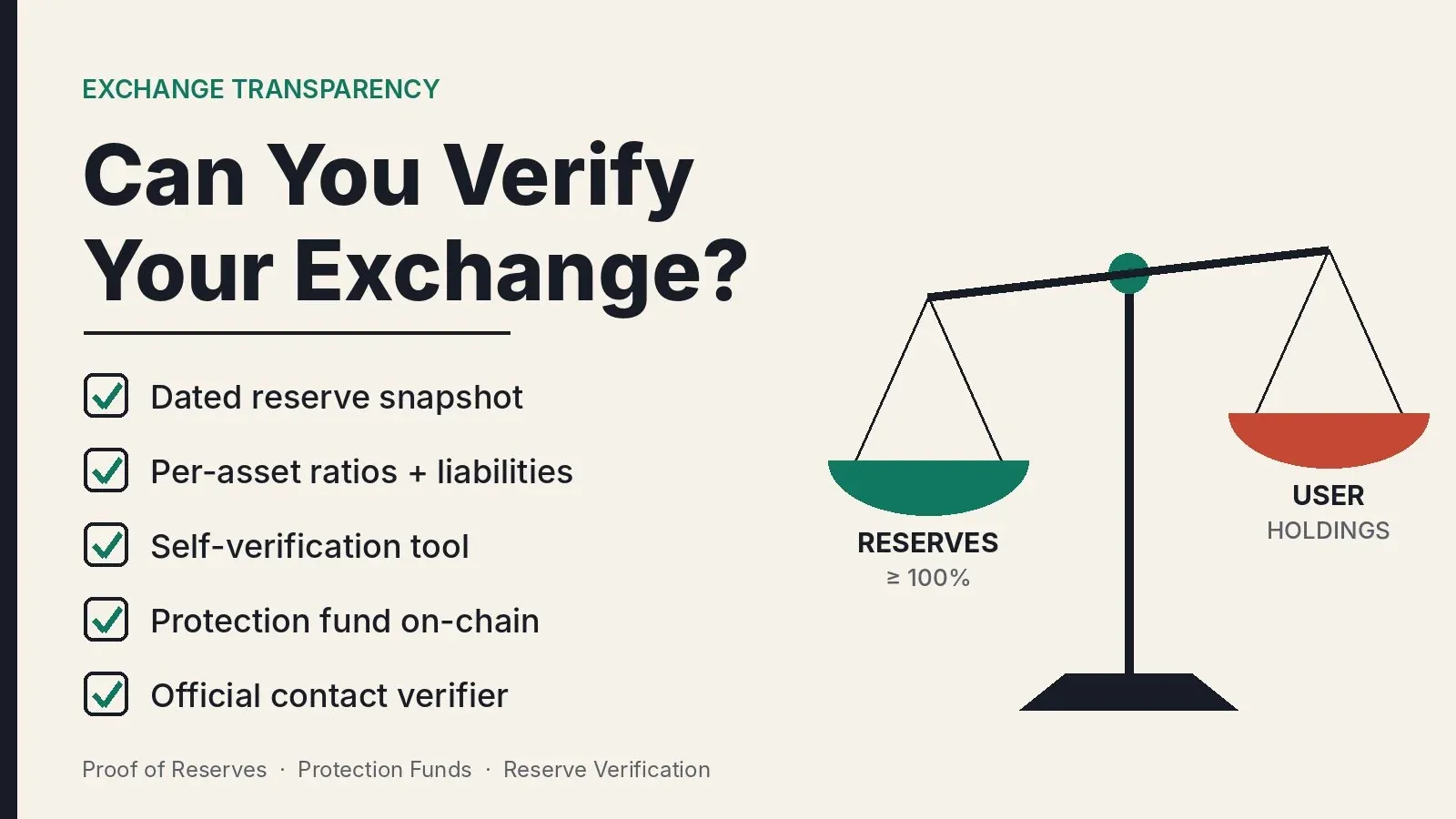
How Transparent Is a Crypto Exchange? Checking Proof of Reserves and Protection Funds
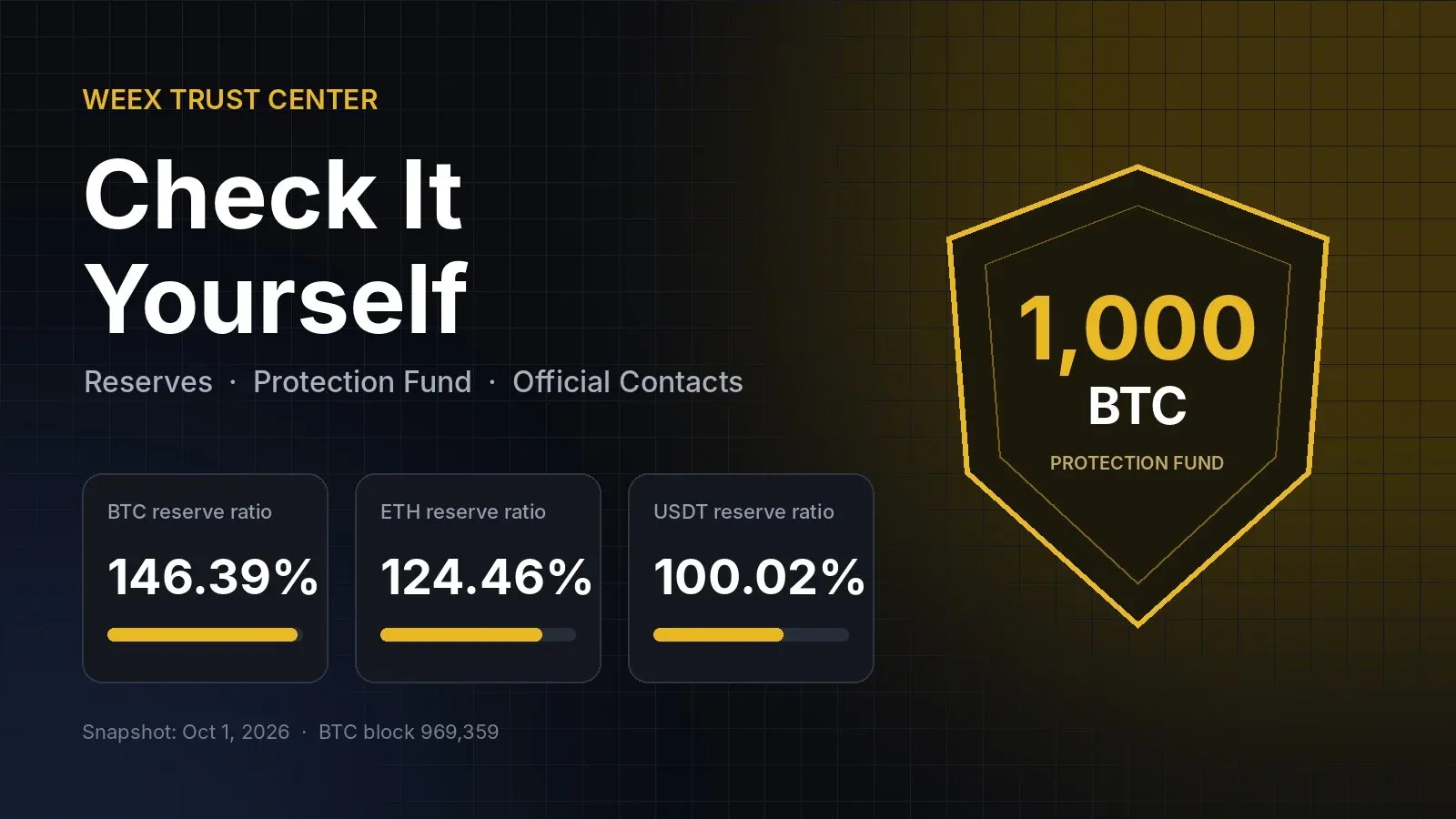
How to Use the WEEX Trust Center: Check Reserves, Protection Fund and Official Contacts

Crypto Leverage Trading Explained: How Perpetual Futures, Margin and Liquidation Work
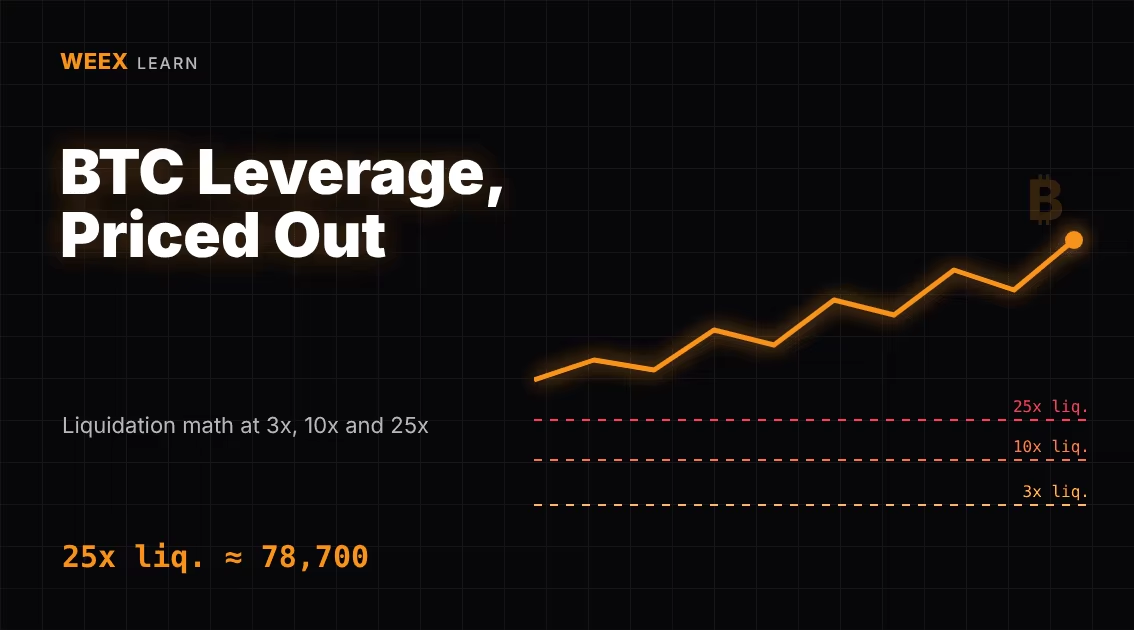
Bitcoin Margin Trading: BTC Liquidation Math at 3x, 10x and 25x

Crypto Leverage Trading Platform: 6 Checks Before You Deposit
What Is Margin Trading? A $1,000 Example at 3x and 10x Leverage
How to Day Trade Crypto for Beginners: The Math Behind One Trade

Trading Psychology for Beginners: Crypto Traps and Hard Rules
Bitcoin and the US Midterms: A Trader's Checklist for Nov. 3-11
Crypto Liquidation Cascade: What the $1.57B Oct. 30 Flush Taught
Binance Proof of Reserves: What the Nov. 3 ZK Report Can Prove
MSCI vs Strategy: What the Nov. 11 Index Decision Means for BTC
Binance Hack Explained: What Is Confirmed, What Is Disputed and What Users Should Do Now
Hot Wallet Security Explained: Lessons From the Binance Incident





