
MSCI vs Strategy: What the Nov. 11 Index Decision Means for BTC

 Prefer us on Google

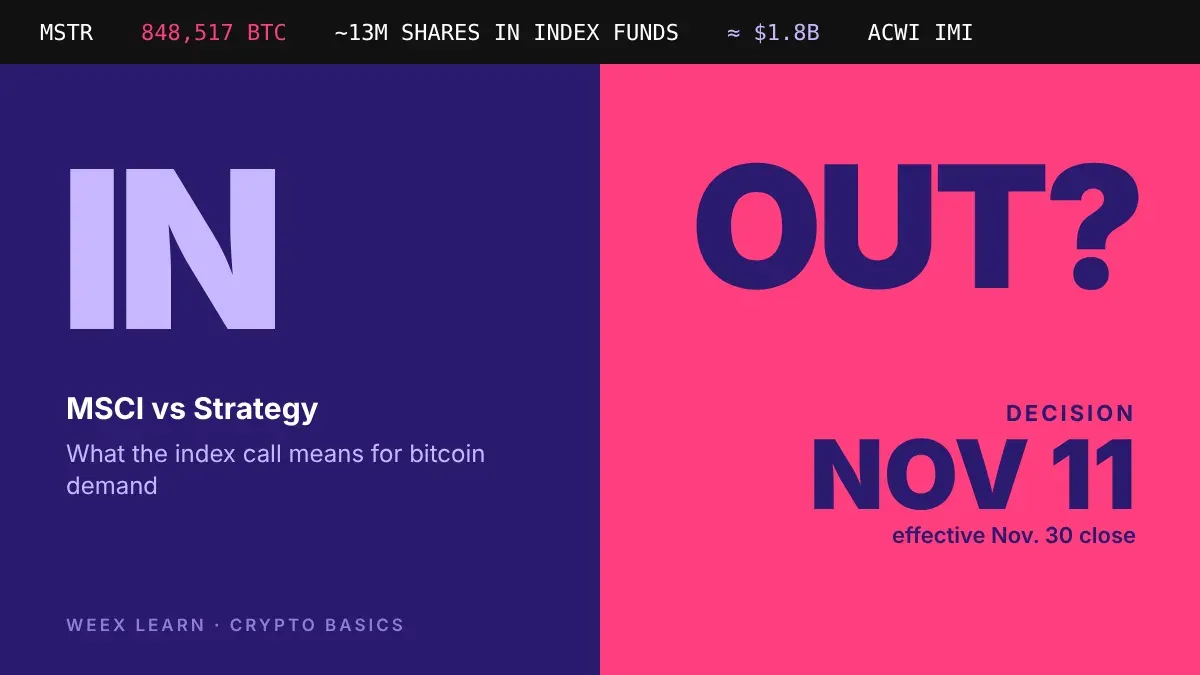
On Nov. 11, 2026, MSCI will publish the results of its November index review, including which companies fail its new rules for "non-operating" businesses. Strategy (MSTR), the largest corporate bitcoin holder with a reported 848,517 BTC, was one of three companies flagged for removal from the MSCI ACWI Investable Market Index in a May 2026 simulation. Any changes would take effect at the close of trading on Nov. 30.
The direct effect on bitcoin is smaller than headlines suggest. Index funds that track MSCI own MSTR shares, not bitcoin, and they have no right to swap those shares for a slice of Strategy's treasury. If they sell, they sell stock. The indirect effect is what matters: Strategy finances much of its bitcoin buying by selling new shares, and passive index demand is part of what keeps those shares easy to sell.
Strategy estimates that funds tracking the relevant indexes hold about 13 million MSTR shares, roughly 3.1% of its basic shares outstanding. Reports have put that block near $1.8 billion, or about 60% of the stock's 30-day average daily trading volume. That is the size of the potential forced sale, not a forecast of what happens to bitcoin's price.
What MSCI Changed and Why Strategy Is Exposed
This is the second round of the same fight. In January 2026, MSCI decided not to exclude digital asset treasury companies after Strategy and others pushed back, but it froze increases to their index weights and opened a broader consultation on companies that mainly hold non-operating assets.
That consultation ended on Oct. 15, 2026. MSCI said it would adopt a new methodology at the November review that screens companies on their operating assets and five financial ratios. It replaces the earlier interim restriction aimed at firms whose digital asset holdings made up at least 50% of total assets. The May simulation under the new framework flagged Strategy, Japan's Metaplanet and Yellow Cake, a UK-listed company that holds physical uranium.
The uranium example is telling. MSCI's target is not crypto as such, but companies whose balance sheet looks more like an investment fund than an operating business. Funds are usually excluded from equity benchmarks. Strategy disputes the label, arguing its bitcoin business is an operating segment and that the framework repackages the earlier proposal aimed at crypto treasuries.
How Removal Could Hit MSTR, Then Bitcoin Demand
If Strategy appears on the deletion list, the chain of effects runs through the stock first:
- Index trackers sell. Passive funds following the affected indexes would need to sell MSTR, typically near the Nov. 30 effective close.
- The premium can shrink. MSTR often trades above the value of the bitcoin it holds. Forced selling and fewer natural buyers can compress that premium.
- Equity raises get less efficient. When the premium narrows, each new share sold buys fewer bitcoin per share, making issuance less attractive to existing holders.
- Bitcoin purchases can slow. If Strategy raises less money, it buys less BTC, removing one of the most consistent buyers in the market.
Two things soften that chain. Announced index changes are often traded ahead of time, so part of the selling may already be priced in by Nov. 30. And Strategy has other funding routes, including preferred stock and debt, though each has its own cost.
Three Outcomes to Watch on Nov. 11
The announcement itself is the event. Here is how each likely outcome would read:
- Strategy is deleted. The base case implied by the May simulation. Expect MSTR volatility into Nov. 30 and a sharper focus on whether Strategy keeps buying bitcoin at the same pace.
- Strategy is retained. Seen as a relief outcome, much like January. Still, the rules stay in place, and future reviews could revisit the question.
- A partial or delayed change. MSCI could treat indexes differently or adjust timing. This would leave the uncertainty hanging over MSTR into 2027.
Watch the other names too. Metaplanet's status will signal whether the screen catches bitcoin treasury companies broadly or only the largest.
-- Price
What Beginners Should Take From the MSCI Decision
The useful lesson is that "bitcoin exposure" comes in very different wrappers. Owning BTC directly means your result depends on bitcoin's price alone. Owning a spot bitcoin ETF adds a fee and a custodian, as explained in our guide to how a bitcoin ETF works. Owning MSTR adds a third layer: stock market rules, debt, share issuance and, as this week shows, index eligibility.
None of that makes one wrapper better than another. It means an MSCI headline can move MSTR sharply while bitcoin barely reacts, or the reverse. Bitcoin itself traded near $77,700 on Nov. 2, 2026, already weighed down by the Binance hack and pre-election caution. You can track it on WEEX's Bitcoin price page.
In practice, the Nov. 11 list matters most to bitcoin through one question: does Strategy keep buying at its usual pace afterward? That is the number to watch in December, more than the deletion itself.
FAQ
1. When will MSCI announce whether Strategy is removed?
MSCI is scheduled to publish its November index review results on Nov. 11, 2026. Any deletions would take effect at the close of trading on Nov. 30, 2026.
2. Would index funds have to sell bitcoin if Strategy is removed?
No. Index funds hold MSTR shares, not bitcoin, and cannot redeem shares for Strategy's BTC. They would sell stock. Any effect on bitcoin comes indirectly, through Strategy's ability to raise money and buy more.
3. How much MSTR stock do index funds hold?
Strategy estimates about 13 million shares, roughly 3.1% of its basic shares. Reports have valued that at about $1.8 billion, near 60% of MSTR's 30-day average daily volume.
4. Why did MSCI target Strategy?
MSCI's new rules screen out companies whose assets are mainly non-operating, similar to investment funds. Strategy argues its bitcoin holdings are part of an operating business and that the rules unfairly target crypto treasury firms.
This content is provided for general informational purposes only and doesn't constitute financial, investment, legal, or tax advice. Any events, rewards, online promotions, or related information mentioned herein should not be considered a recommendation, solicitation, or invitation to purchase, sell, trade, or otherwise deal in any crypto assets. Crypto assets are highly volatile and may result in loss. The availability of WEEX services, products, and related events may vary by region. You are responsible for ensuring that your participation is in accordance with applicable local laws and regulations.
You may also like
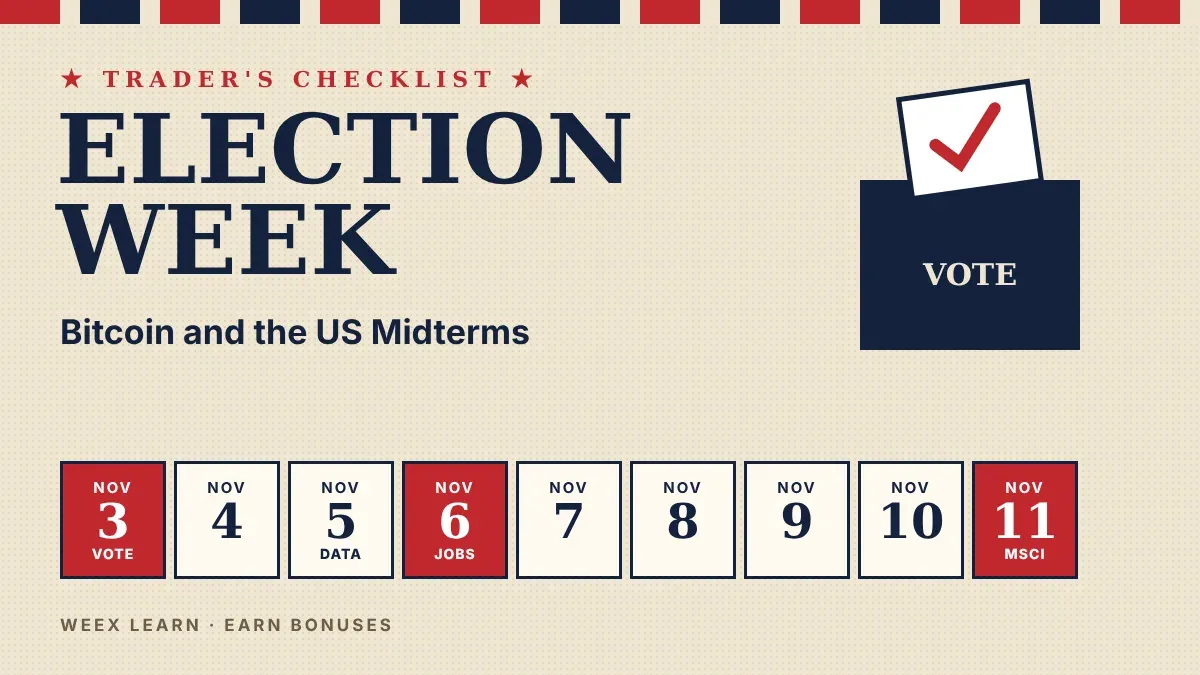
Bitcoin and the US Midterms: A Trader's Checklist for Nov. 3-11
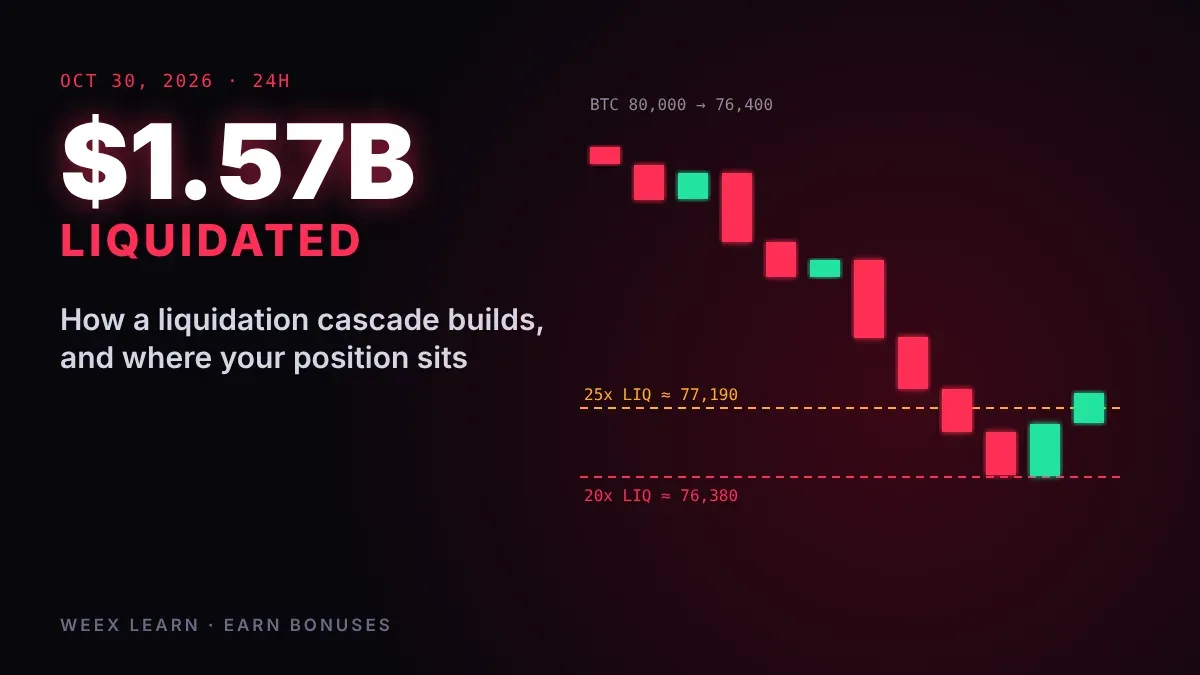
Crypto Liquidation Cascade: What the $1.57B Oct. 30 Flush Taught
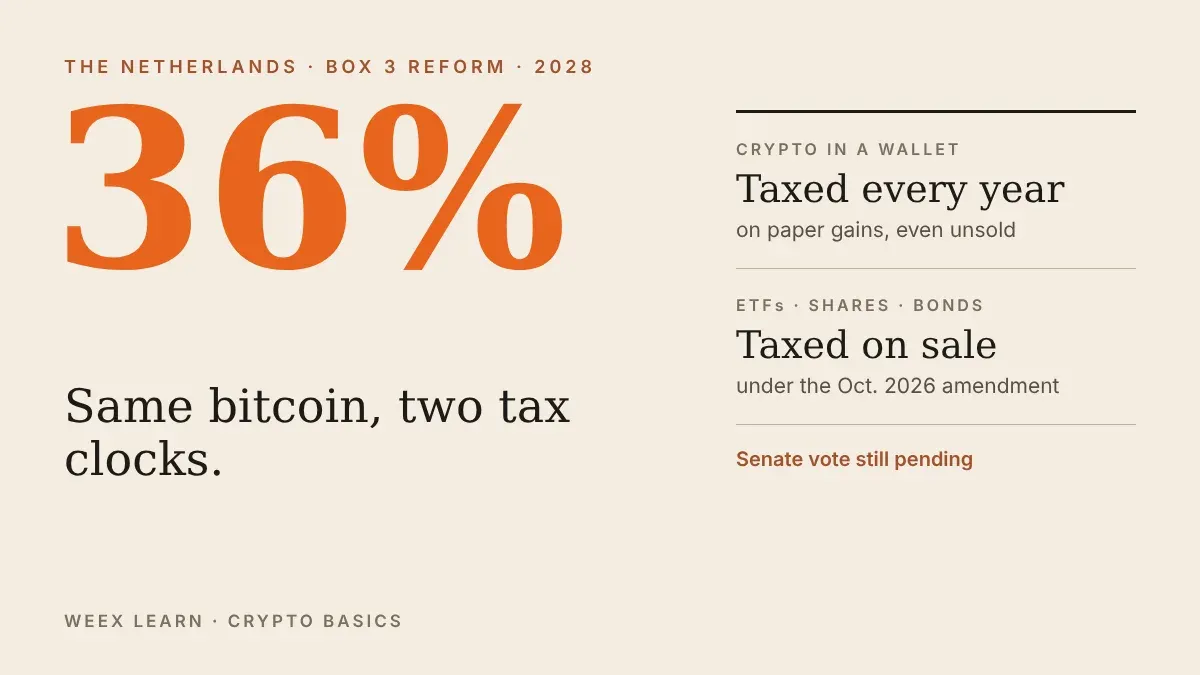
Dutch 36% Crypto Tax: Why Wallets Get Taxed Differently From ETFs
Binance Proof of Reserves: What the Nov. 3 ZK Report Can Prove

Binance Hack Explained: What Is Confirmed, What Is Disputed and What Users Should Do Now
Hot Wallet Security Explained: Lessons From the Binance Incident

How Do Stablecoin Issuers Make Money? The Business Behind a $1 Token

BTC Fights for $80K Before the Fed: Why Leverage Hasn't Flushed
WEEX Futures PnL: Why Your Three PnL Numbers Rarely Match
WEEX Reduce-Only Order: What It Does and When It Gets Cancelled
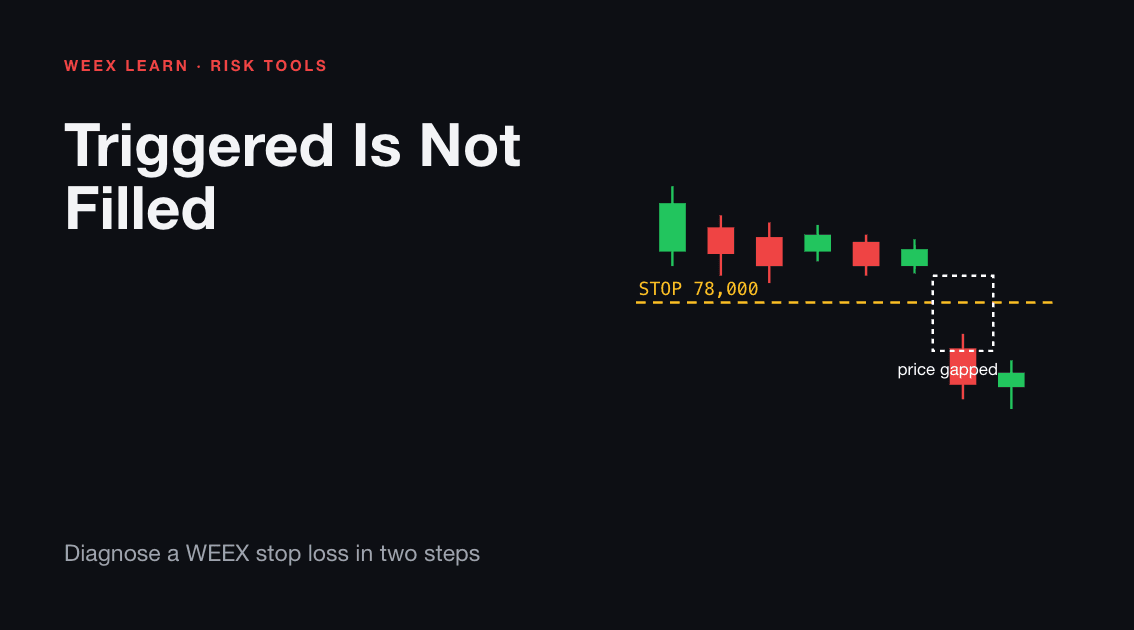
WEEX Stop Loss Not Triggered? Check the Trigger, Then the Fill

WEEX Funding Fee Explained: Rate, Countdown, Records and Math
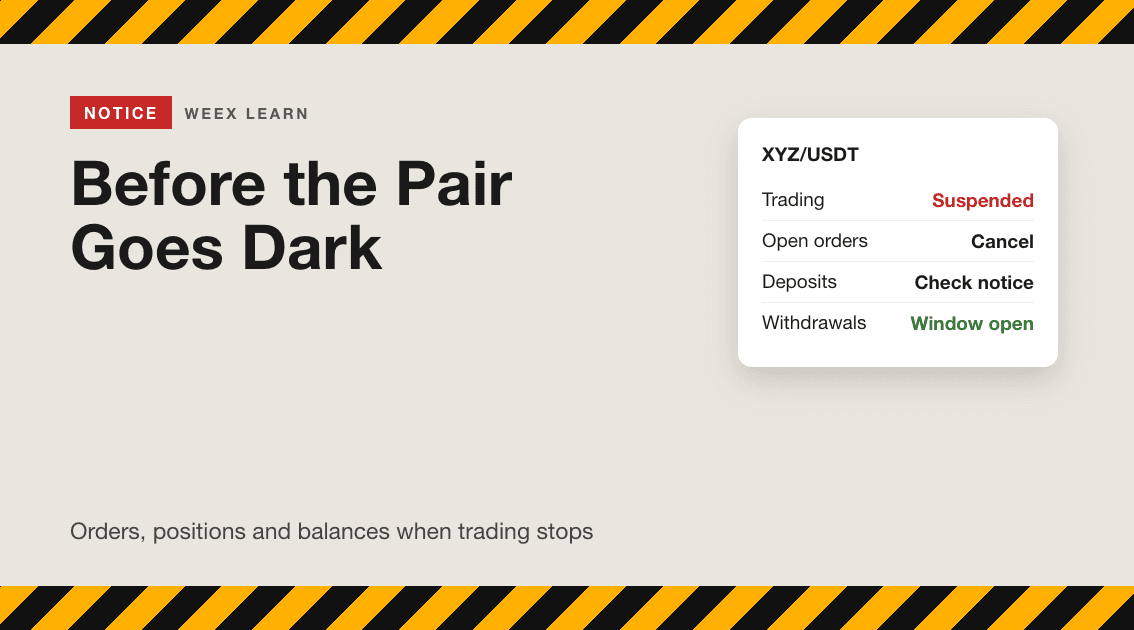
WEEX Trading Pair Suspended or Delisted? Your Orders and Assets
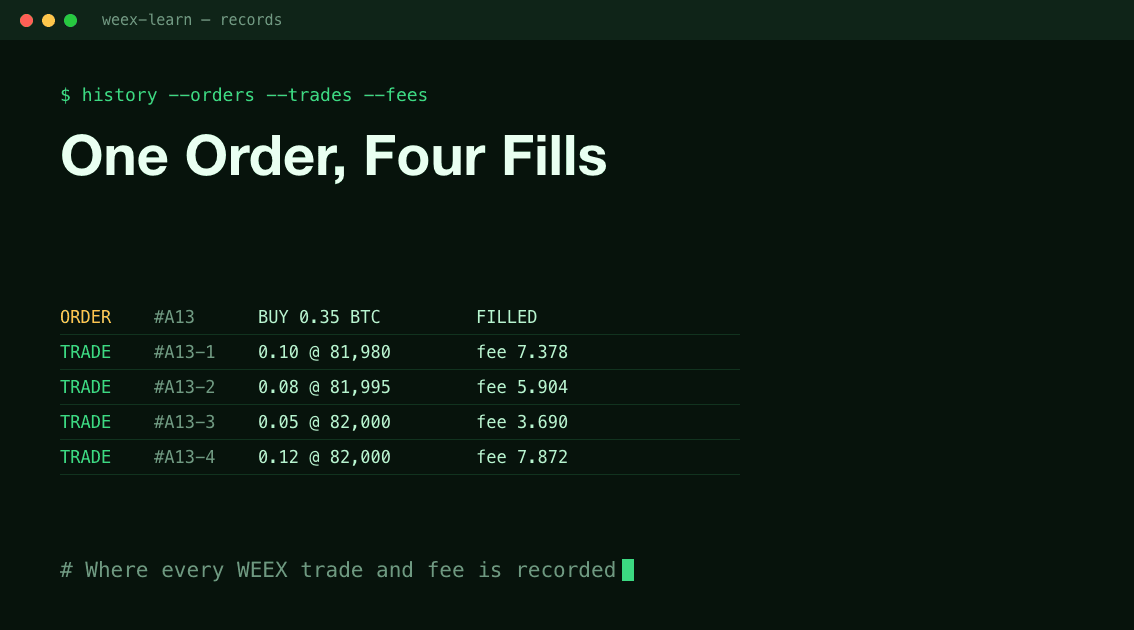
WEEX Order History: How Orders, Fills and Fees Fit Together
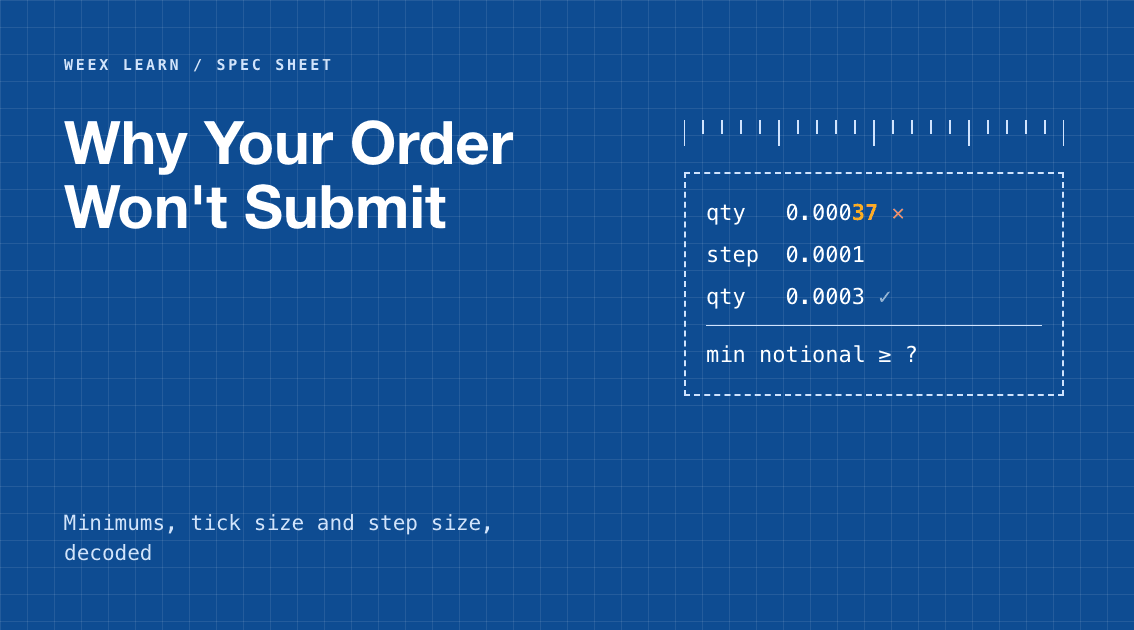
WEEX Minimum Order Size Errors Explained With Rounding Examples

Cancel WEEX Spot Order: What Returns to Your Balance and When
WEEX Limit Order Not Filled? Read the Book, Then Fix the Order

How to Spot Trade on WEEX: From Pair Choice to a Confirmed Fill

How to Convert ETH to USDT on WEEX: Step-by-Step Guide
How to Convert USDT to BTC on WEEX: Step-by-Step Guide
How to Convert BTC to USDT: A Step-by-Step WEEX Guide

BTC Funding Rate and Open Interest: What Each One Measures and How to Read Them Together
How Transparent Is a Crypto Exchange? Checking Proof of Reserves and Protection Funds
How to Use the WEEX Trust Center: Check Reserves, Protection Fund and Official Contacts

Crypto Leverage Trading Explained: How Perpetual Futures, Margin and Liquidation Work
Bitcoin Margin Trading: BTC Liquidation Math at 3x, 10x and 25x

Crypto Leverage Trading Platform: 6 Checks Before You Deposit
What Is Margin Trading? A $1,000 Example at 3x and 10x Leverage
How to Day Trade Crypto for Beginners: The Math Behind One Trade

Trading Psychology for Beginners: Crypto Traps and Hard Rules
Bitcoin and the US Midterms: A Trader's Checklist for Nov. 3-11
Crypto Liquidation Cascade: What the $1.57B Oct. 30 Flush Taught
Dutch 36% Crypto Tax: Why Wallets Get Taxed Differently From ETFs
Binance Proof of Reserves: What the Nov. 3 ZK Report Can Prove
Binance Hack Explained: What Is Confirmed, What Is Disputed and What Users Should Do Now
Hot Wallet Security Explained: Lessons From the Binance Incident





