
Oura postpones $2.2 billion IPO, exposing market fragility

 Prefer us on Google


Oura, the Finnish manufacturer of the smart ring that has become a craze among health and biohacking enthusiasts, has indefinitely suspended its initial public offering that would have raised up to $2.2 billion. The company cited "uncertainty in the IPO market" and did not provide a timeline for resumption. In practice, this is yet another sign that appetite for new listings remains weak, even when the fundamentals of the company in question are solid.
The offering planned for 55 million shares at a price between $40 and $44 per share, which would have placed Oura at a valuation of up to $15 billion. For a company that was valued at $5.2 billion less than two years ago, the jump would have been remarkable. But the market window did not cooperate.
A healthy company that chose to wait
What makes Oura's case particularly revealing is that it is not a struggling company. On the contrary. The company reports 5.7 million paying members, an increase from 5 million at the end of June. The expectation is that revenue for the fiscal year 2026 will grow by 90% compared to the previous period, when it reached $907.9 million.
The gross margin from subscriptions, which already account for about 20% of revenue, is 89%. This is the kind of metric that investors love to see in recurring revenue models. Hardware still generates most of the revenue, but the trajectory of monetization through software shows maturity in the business model.
Tom Hale, CEO of Oura, stated that the company has "the luxury of choosing the right moment" to go to market. With $372 million in cash at the end of June and no immediate need for capital, the decision makes sense. The company planned to use the IPO proceeds primarily to cover tax obligations related to stock granted to employees, not to finance operations.
What the withdrawal reveals about the IPO market
Oura's suspension is not an isolated case. The market for initial public offerings in technology is experiencing a prolonged period of caution. Since the monetary tightening cycle began in 2022, several high-growth companies have opted to remain private, raising capital in private rounds instead of facing the volatility of the stock markets.
Oura's own fundraising trajectory illustrates this phenomenon. In October of last year, the company raised $900 million in a round led by Fidelity, reaching a valuation of $11 billion. This was practically double the $5.2 billion from the previous round, conducted less than a year earlier. When the private market offers liquidity and generous valuations, the incentive to face public scrutiny diminishes.
The problem is that this logic has limits. Forerunner Ventures, an early-stage investor, intended to sell its entire 9.3% stake in the offering, which would yield approximately $1.2 billion considering the midpoint of the price range. With the postponement, that return is now frozen. Other shareholders seeking liquidity will also have to wait.
Wearables on the rise, but public market in a waiting pattern
The health wearables segment is experiencing a moment of strong demand. The recently launched Oura Ring 5 has received good reception, according to the company itself. The global market for health wearables is expected to exceed $60 billion in the coming years, driven by consumers increasingly interested in continuous monitoring of biometric data.
Oura competes with giants like Apple and Samsung, but occupies a different niche. The ring format is more discreet and less intrusive than a smartwatch, appealing to a specific consumer profile. The bet on recurring subscriptions to unlock advanced features for sleep, activity, and recovery analysis has created a model that financial market analysts consider scalable.
Still, the case reinforces a dynamic that repeats in the technology ecosystem. Companies with strong fundamentals, significant growth, and attractive margins remain reluctant to go public. Macroeconomic volatility, uncertainty about monetary policy, and mixed performance of recent IPOs create an environment where "waiting" seems more rational than "testing."
-- Price
What this means for investors
For those closely following the technology market, the message is clear: the best growth opportunities remain concentrated in the private market. Funds like Fidelity, which led Oura's $900 million round, capture the appreciation before retail investors have access to the stock.
When and if Oura finally goes to market, a significant portion of the appreciation will have already been realized. The company went from $5.2 billion to $11 billion in less than a year in the private circuit. The trend of technology companies remaining private for longer is not new, but Oura's case is a reminder that this phenomenon continues to intensify.
The underlying issue is structural. As long as there is abundant capital in the private market and uncertainty in the public, companies with Oura's financial health will continue to choose the timing. And that moment, according to the data, has not yet arrived.
This content is provided for general informational purposes only and doesn't constitute financial, investment, legal, or tax advice. Any events, rewards, online promotions, or related information mentioned herein should not be considered a recommendation, solicitation, or invitation to purchase, sell, trade, or otherwise deal in any crypto assets. Crypto assets are highly volatile and may result in loss. The availability of WEEX services, products, and related events may vary by region. You are responsible for ensuring that your participation is in accordance with applicable local laws and regulations.
You may also like
Trump to Sign Executive Order Renaming Artificial Intelligence to Superintelligence

Why Would a Public Chain Stop? Understanding Blockchain Consensus from Cosmos's 25-Hour Downtime

TOKEN2049 Singapore Returns October 7-8 With Record Sponsorship: What's New at This Year's Largest Crypto Event
Now Accepting Bitcoin: Coljac Café Bitcoin Hub With 40+ Nearby Missouri Merchants

Is the Compound Foundation 'Self-Theft'?

MU Price Prediction October 2026: Can Micron Reach $1,200?
Canadian Crypto King Aiden Pleterski on Trial for Allegedly Defrauding Investors of $30 Million - Fintech World

The Need for an Execution Harness in Agentic Finance
Arbitrum Foundation Launches $7.8 Million Security Program
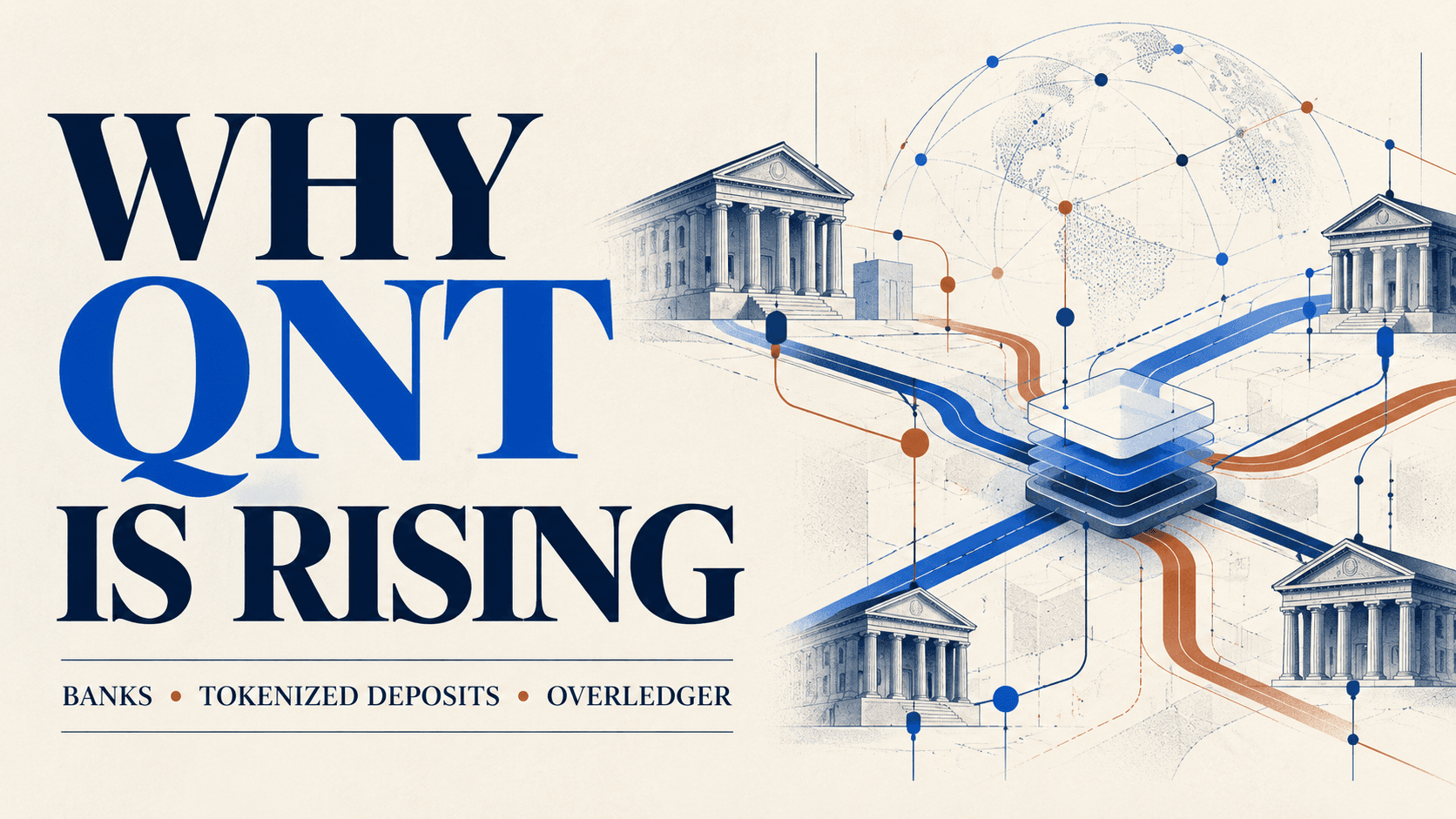
Why Is Quant (QNT) Price Rising? The Clearing House Tokenized Deposit Deal Explained
Why is Quant (QNT) rising? Explore The Clearing House tokenized deposit deal, QNT utility, price risks and how to trade QNT on WEEX.

TSMC 2nm Demand Surges: Can New AI Chip Orders Drive the Next Growth Cycle?
2026 Latest Scam Prevention Guide: How Many Types of Scams in the Crypto World Do You Know?
![[Full Text] Financial Supervisory Service Official: "Fragmented Mainnets Pose Systemic Risks... Need for Integrated Design"](/public-static/24_18140364e2.png?format=avif)
[Full Text] Financial Supervisory Service Official: "Fragmented Mainnets Pose Systemic Risks... Need for Integrated Design"
Anthropic CEO Dines with Trump: What's at Stake in AI

Market Neutral: The Art of Earning Without Betting on Market Direction

Balancer fork’s 6 million BAL ask could cut holders’ redemption value

Swiss bank shields Bitget institutions while retail funds freeze
The Zondacrypto Scandal Expands: This Time Involving Notable MPs

Two obscure pools fuel 2.8B XRPL volume, but only 185 trades caused it

The Stronger the AI, the Lower the Wages: Your Education is Becoming the Most Expensive Devalued Asset

xStocks adds Ledger hardware wallet support for tokenized shares

IMF Calls for Fewer but Deeper Reforms to Address a More Vulnerable Global Economy
LTC Airdrop 2026: How to Claim 50,000 USDT Rewards on WEEX

Privy Expands Support for TRON with Enhanced Wallet and Payment Infrastructure for Developers
Treasury at Highest in 18 Years: Federal Reserve Set for New Rate Hikes
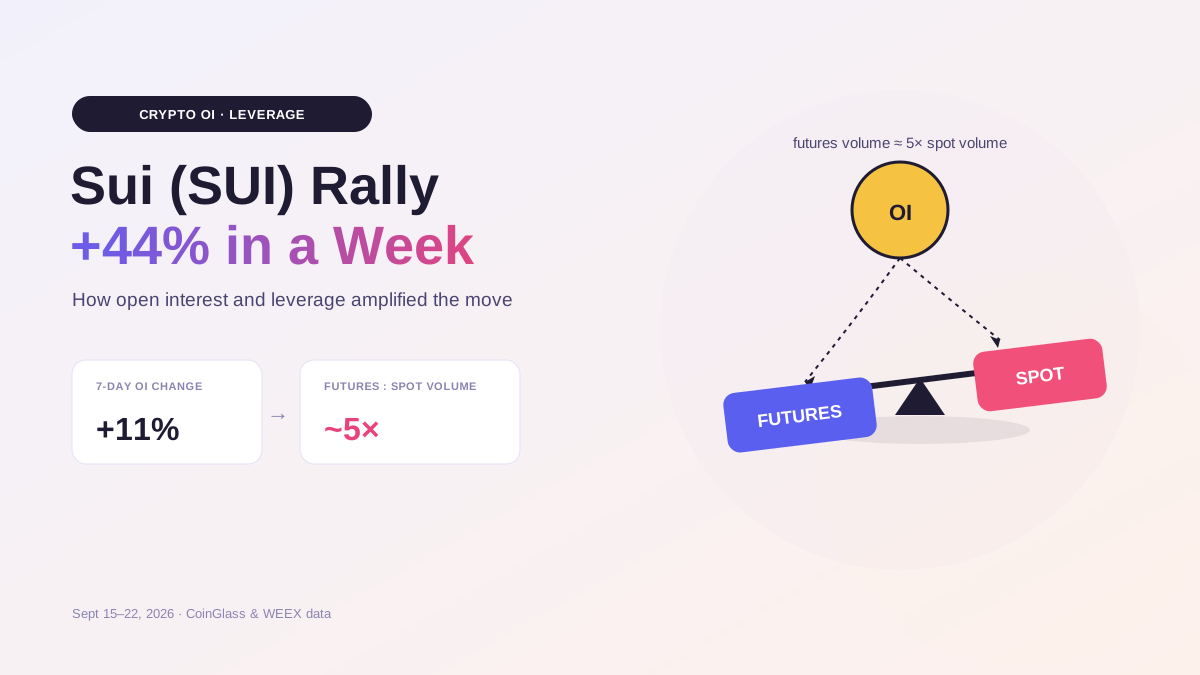
Why Did Sui (SUI) Crypto Price Jump 44%? Crypto OI and Leverage Explain the Rally
See why Sui (SUI) jumped 44%, how crypto OI and leverage amplified the rally, what the pullback means, and how to trade SUI on WEEX.
唐华斑竹 reports that BNB Chain will return to Seoul on October 2
Nearly $20 million in XRP drained from 6,678 wallets across six attack waves

Coinbase traced $1.1 million crypto trail behind AI phishing service EvilTokens

Hack Coldcard: 52 BTC Saved by Ethical Hackers
Trump to Sign Executive Order Renaming Artificial Intelligence to Superintelligence
Why Would a Public Chain Stop? Understanding Blockchain Consensus from Cosmos's 25-Hour Downtime
TOKEN2049 Singapore Returns October 7-8 With Record Sponsorship: What's New at This Year's Largest Crypto Event
Now Accepting Bitcoin: Coljac Café Bitcoin Hub With 40+ Nearby Missouri Merchants
Is the Compound Foundation 'Self-Theft'?
MU Price Prediction October 2026: Can Micron Reach $1,200?




