
Federal Reserve Interest Rates: Why Kevin Warsh Just Broke From Trump for the First Time

 Prefer us on Google
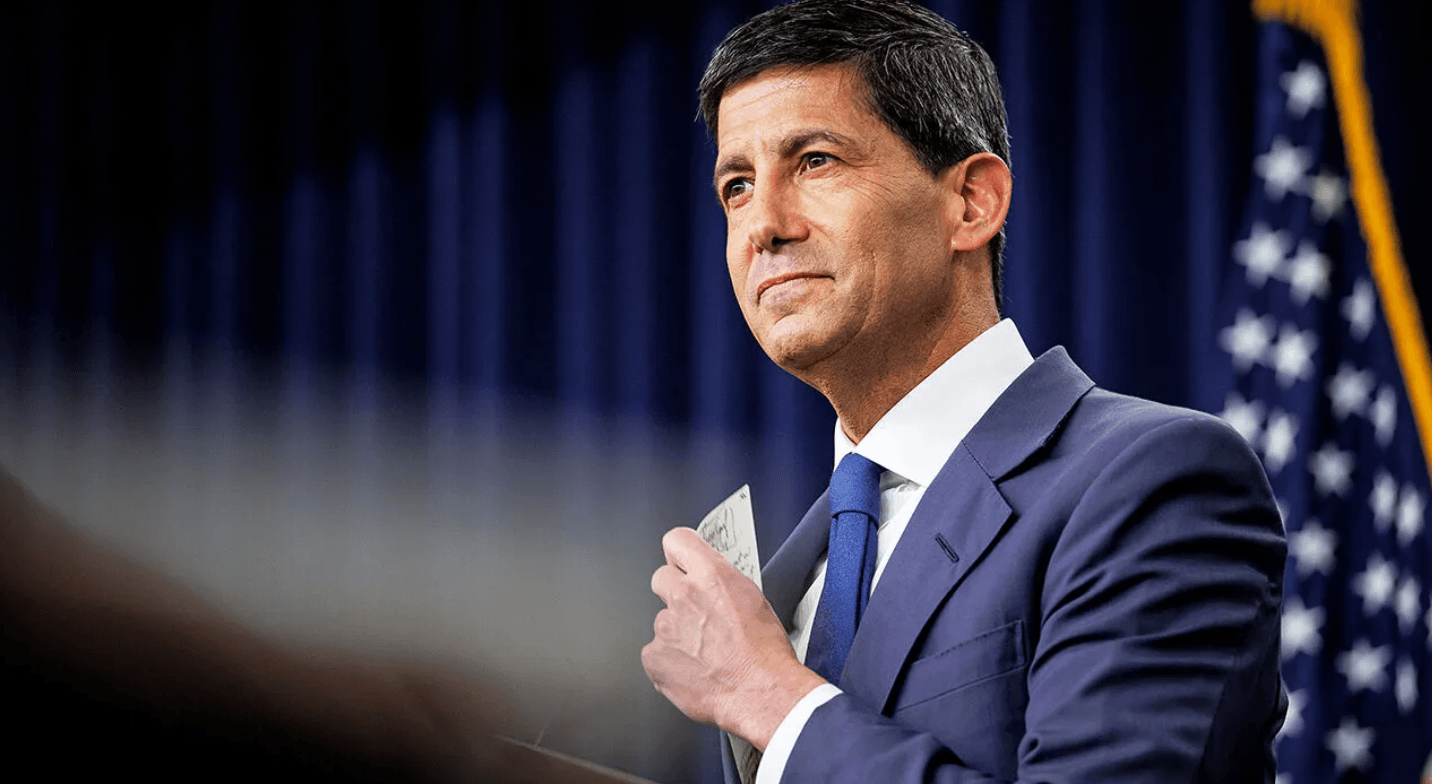
Federal Reserve interest rates moved higher on Wednesday for the first time since 2023, but the more politically significant moment came in what Chair Kevin Warsh said next. "I would be hard pressed to describe broad financial conditions as restrictive," Warsh told reporters, justifying a decision on Federal Reserve interest rates that the White House had publicly opposed just hours earlier.
For a Fed chair who spent months facing questions about whether he'd secretly pledged loyalty to the president who appointed him, raising Federal Reserve interest rates against the administration's explicit wishes was the first genuinely public test of that question.
The Relationship That Made This Moment Notable
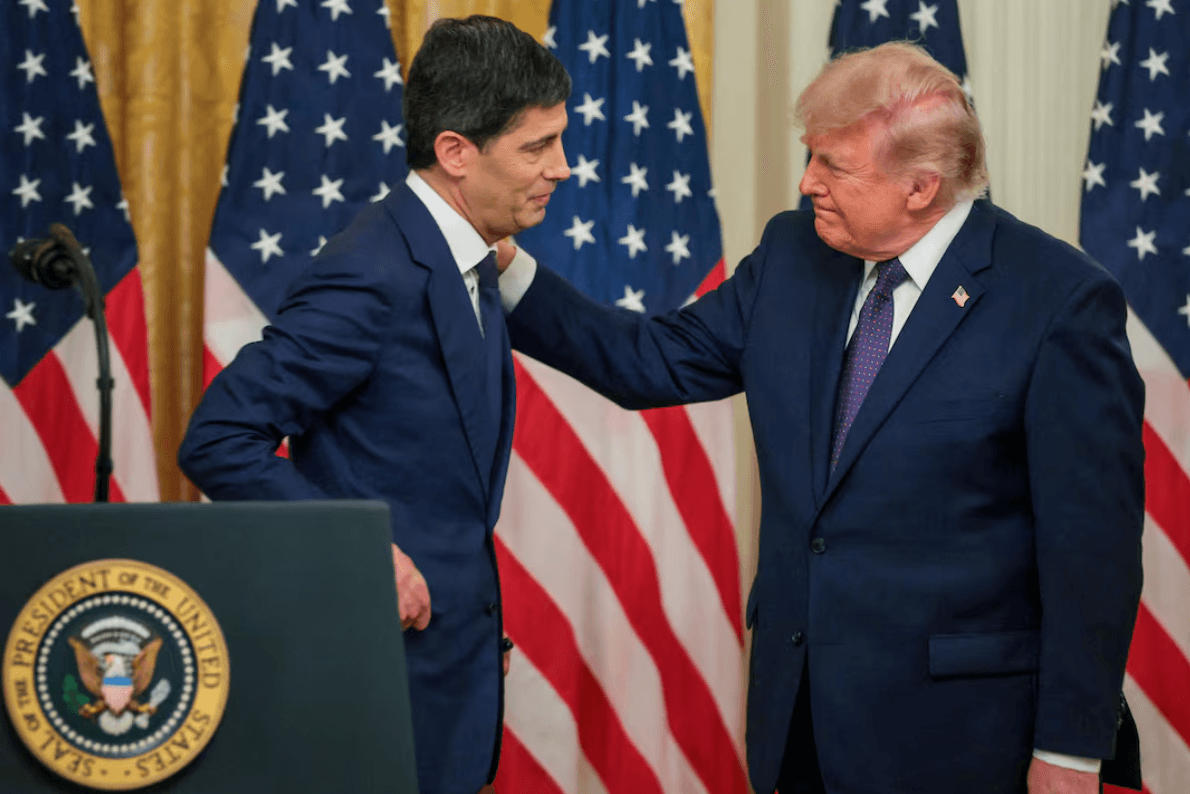
Warsh's path to the Fed chair wasn't a conventional confirmation story. Trump nominated him on January 30, 2026, telling reporters he'd known Warsh "for a long period of time" and had "no doubt that he will go down as one of the GREAT Fed Chairmen, maybe the best." That warmth stood in sharp contrast to Trump's relationship with Warsh's predecessor, Jerome Powell, whom Trump had appointed in 2017 and later soured on so completely that the Justice Department opened investigations tied to Powell's tenure. Trump has said publicly that passing over Warsh for Powell back in 2017 was a mistake.
The closeness didn't stop at the nomination. According to The Wall Street Journal's reporting cited by CNBC, Trump spoke with Warsh repeatedly following his confirmation, a level of direct engagement that marked a sharp departure from the largely arm's length relationship Trump maintained with Powell. One person familiar with the dynamic told CNBC that "the president trusts Warsh, so he'll have some scope of action" to pursue his own reform agenda at the Fed, while acknowledging that trust came with an unspoken expectation attached to it.
The Loyalty Question That Followed Him Into the Job
That closeness generated genuine scrutiny before Warsh ever took the chair. In February 2026, Senate Minority Leader Chuck Schumer and Senate Banking Committee ranking member Elizabeth Warren sent Warsh a formal letter asking whether he had signed any kind of loyalty pledge to Trump, directly referencing the president's own public statement that "anybody that disagrees with me will never be the Fed Chairman." The senators specifically asked Warsh to confirm or deny reports that Trump had asked whether he could trust Warsh to lower interest rates if appointed, a question that went to the heart of whether Warsh's eventual policy decisions would reflect independent judgment or a prior commitment made before he ever held the job.
Warren didn't mince words in her own public statement following the nomination, writing that Warsh "has apparently passed" Trump's loyalty test and linking the nomination directly to what she described as the administration's broader effort "to seize control of the Fed." Warsh, for his part, has consistently maintained that he makes his own decisions about interest rates, a claim that Wednesday's hike gave him the first real opportunity to demonstrate rather than simply assert.
What Actually Happened on Wednesday
Against that backdrop, Wednesday's meeting carried more weight than a typical rate decision. The FOMC voted unanimously, 12 to 0, to raise the federal funds rate by 25 basis points to a range of 3.75% to 4%, the first increase since 2023. The White House response arrived almost immediately and left no ambiguity about where the administration stood. Spokesman Kush Desai told Fox News the decision "was not, from the administration's point of view, backed by a particularly compelling economic case," arguing that current inflation stems entirely from an energy supply shock tied to Middle East oil prices rather than conditions a rate hike could meaningfully address. Desai added that higher rates would only "stymie the significant economic progress that the United States has made under this president."
Warsh voted for the hike anyway, and secured a unanimous committee behind him in the process, a detail that matters specifically given his earlier need to build support among the FOMC's 12 voting members after taking over an institution with a recent history of more divided decisions. Former Cleveland Fed President Loretta Mester specifically credited Warsh's ability to forge that consensus, noting that unanimity had become notable precisely because it hadn't been guaranteed under recent FOMC dynamics.
-- Price
Why "I Make My Own Decisions" Finally Had Something Behind It
Public statements of independence are cheap until they cost something. Warsh had said for months, dating back to his confirmation process, that his policy decisions would be his own, unaffected by his relationship with the president who appointed him. Wednesday's vote is the first instance where that claim carried real political cost: a public, on the record decision that directly contradicted the White House's stated preference, delivered by a Fed chair who came into the job with an unusually warm personal relationship with the president and a formal Senate inquiry into whether that relationship included private commitments about future rate policy.
That doesn't retroactively answer the loyalty pledge question Schumer and Warren raised back in February, and it's worth being precise about what Wednesday's vote does and doesn't establish. It doesn't confirm or deny whether any private conversation about rate policy took place before Warsh's confirmation. What it does establish is a specific, dated data point: faced with a real policy decision and a White House publicly on record wanting the opposite outcome, Warsh voted for the hike and got a unanimous committee to join him.
What Happens to This Relationship Now
Whether Wednesday's vote marks a genuine turning point in how Trump treats Warsh, or simply a single data point that gets smoothed over once the immediate reaction fades, is a separate and still open question. CNBC's earlier reporting on the Trump Warsh dynamic flagged this exact tension months in advance, noting that Trump "has a long history of turning on his political allies," and that how long the current warmth lasts was already "a matter of intense speculation in Washington" well before Wednesday's hike actually happened.
Johns Hopkins economist Jon Faust, a longtime advisor to Powell, offered a specific framework worth applying here: "The chair has considerable leeway, but a chair who chooses to push too far in any one direction is going to both run into trouble with the board or the committee, whichever is relevant." Wednesday's vote tested that leeway in one direction, against the White House rather than against the committee, and the unanimous outcome suggests Warsh currently has more room to operate independently than the loyalty pledge questions from February might have implied. Whether that room narrows if Trump's public reaction escalates beyond Wednesday's statement from a spokesperson is the next thing worth watching, not something this single vote settles on its own.
Trading Around the Independence Question Going Forward
Whether Warsh's independence proves durable or gets tested again at the next FOMC meeting is a question that plays out in how markets price future policy decisions, not just in political commentary. WEEX Spot lets traders hold direct exposure to BTC, ETH, and other major assets with USDT, a practical way to act on shifting rate expectations as they develop rather than waiting to read about the next Fed meeting after the fact.
Trading on WEEX carries the backing of a publicly disclosed 1,000 BTC protection fund, worth knowing for anyone positioning around a Fed chair whose relationship with the White House just became a genuinely open question again.
Conclusion
Kevin Warsh's decision to raise Federal Reserve interest rates on Wednesday, against the White House's explicit public objection, is the first concrete test of a question that's followed him since his nomination: whether his closeness with Trump came with private commitments about future policy, or whether his repeated public claims of independence would hold up once a real decision was on the table. The unanimous vote he secured suggests, at minimum, that he currently has the committee's backing to make that call. Whether Trump's relationship with Warsh survives this first real disagreement the way it hasn't survived past disagreements with other Fed chairs is the question Wednesday's vote raised without fully answering.
FAQ
1. Why was Kevin Warsh's vote to raise rates considered a break from Trump?
The White House had publicly criticized the rate hike just hours before the decision, with a spokesman calling it economically unjustified, making Warsh's unanimous vote in favor a direct, public contradiction of the administration's stated position.
2. Was Kevin Warsh accused of pledging loyalty to Trump before becoming Fed chair?
Yes. In February 2026, Senators Chuck Schumer and Elizabeth Warren sent Warsh a formal letter asking whether he had signed any loyalty pledge or made commitments about future rate decisions as a condition of his nomination.
3. How close is Kevin Warsh's relationship with Trump?
According to reporting from The Wall Street Journal, Trump spoke with Warsh repeatedly after his confirmation, a level of engagement notably warmer than Trump's relationship with predecessor Jerome Powell, whom Trump later investigated through the Justice Department.
4. Did the full Federal Reserve committee support the rate hike?
Yes. The vote passed unanimously, 12 to 0, a detail former Cleveland Fed President Loretta Mester specifically credited to Warsh's ability to build consensus after a period of more divided FOMC decisions.
5. Does this vote prove Kevin Warsh is fully independent from Trump?
Not definitively. It establishes one specific, public instance where Warsh's vote contradicted the White House's stated preference, but whether that independence holds going forward remains an open question that depends on how the relationship develops after this decision.
This content is provided for general informational purposes only and doesn't constitute financial, investment, legal, or tax advice. Any events, rewards, online promotions, or related information mentioned herein should not be considered a recommendation, solicitation, or invitation to purchase, sell, trade, or otherwise deal in any crypto assets. Crypto assets are highly volatile and may result in loss. The availability of WEEX services, products, and related events may vary by region. You are responsible for ensuring that your participation is in accordance with applicable local laws and regulations.
You may also like
Why Did the CLARITY Act Fail in the Senate, and What Happens Next for Crypto Regulation?
BTCB2 and XBT: Why Exchange Notation Can Mislead
Stonkfly Fruit-Fly Brain Bitcoin Experiment: What It Shows and Does Not Prove
What the LUSD Attack Shows About DeFi Risk
How to Read a Bitcoin Short-Liquidation Map
Is WEEX Legal in Taiwan? FSC VASP Rules and the Public Register
WEEX Reviews in 2026: App Ratings, Incidents and How to Read Them
How to Install Trust Wallet Safely: What Most Guides Leave Out
Puebla Mexico Crypto Farm Seized: Is Bitcoin Mining Legal in Mexico?
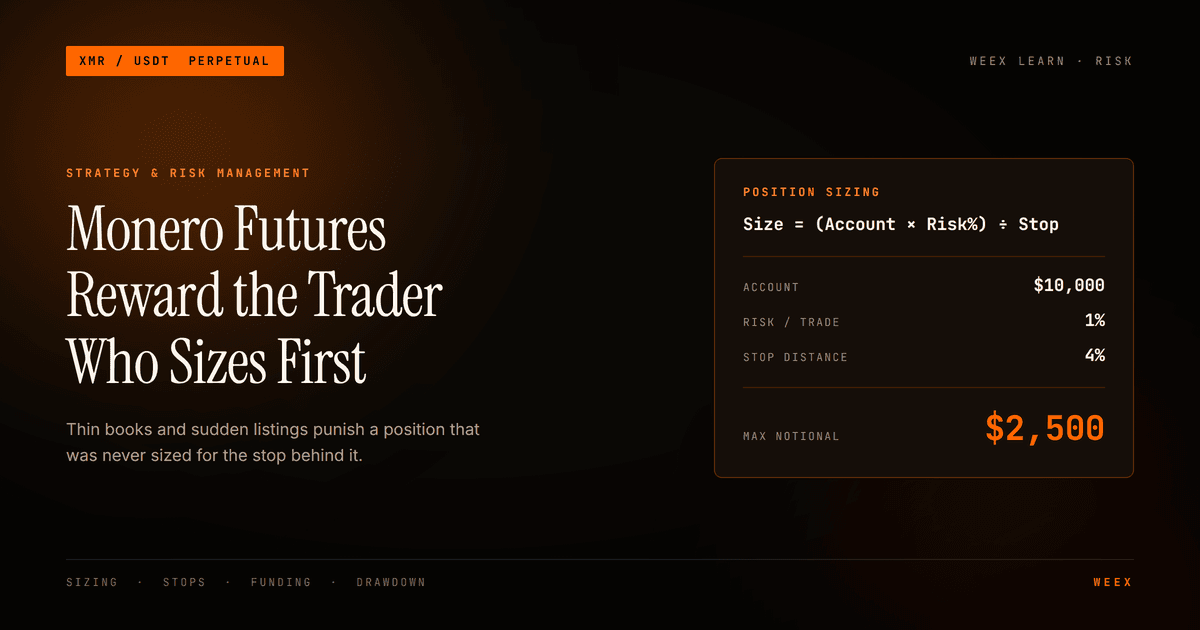
Monero Futures Trading: The Liquidity Risk Guides Ignore
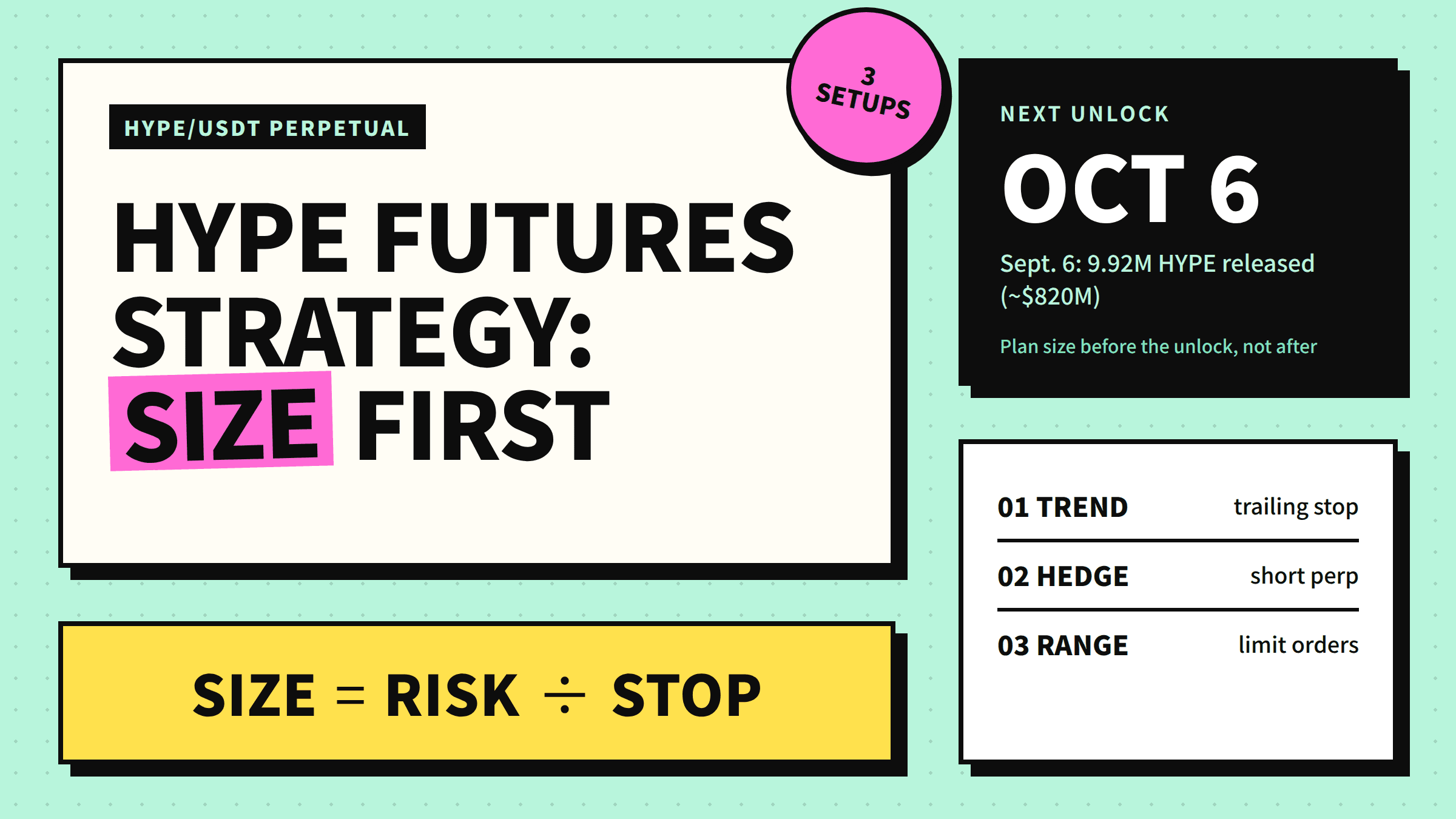
HYPE Futures Trading Strategy: Sizing Rules Around Unlocks
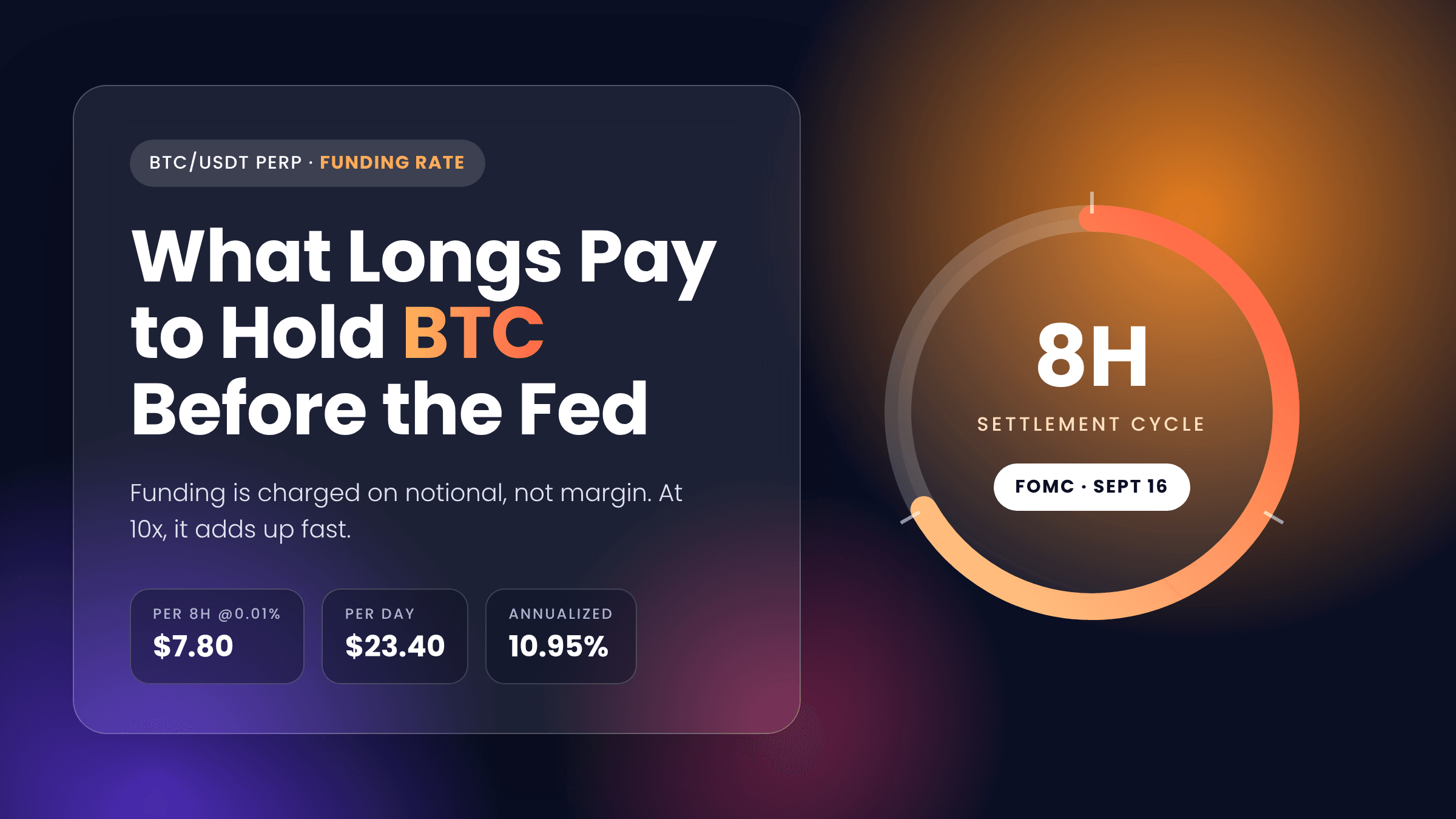
Bitcoin Funding Rate Before the Fed: What Longs Pay to Hold BTC
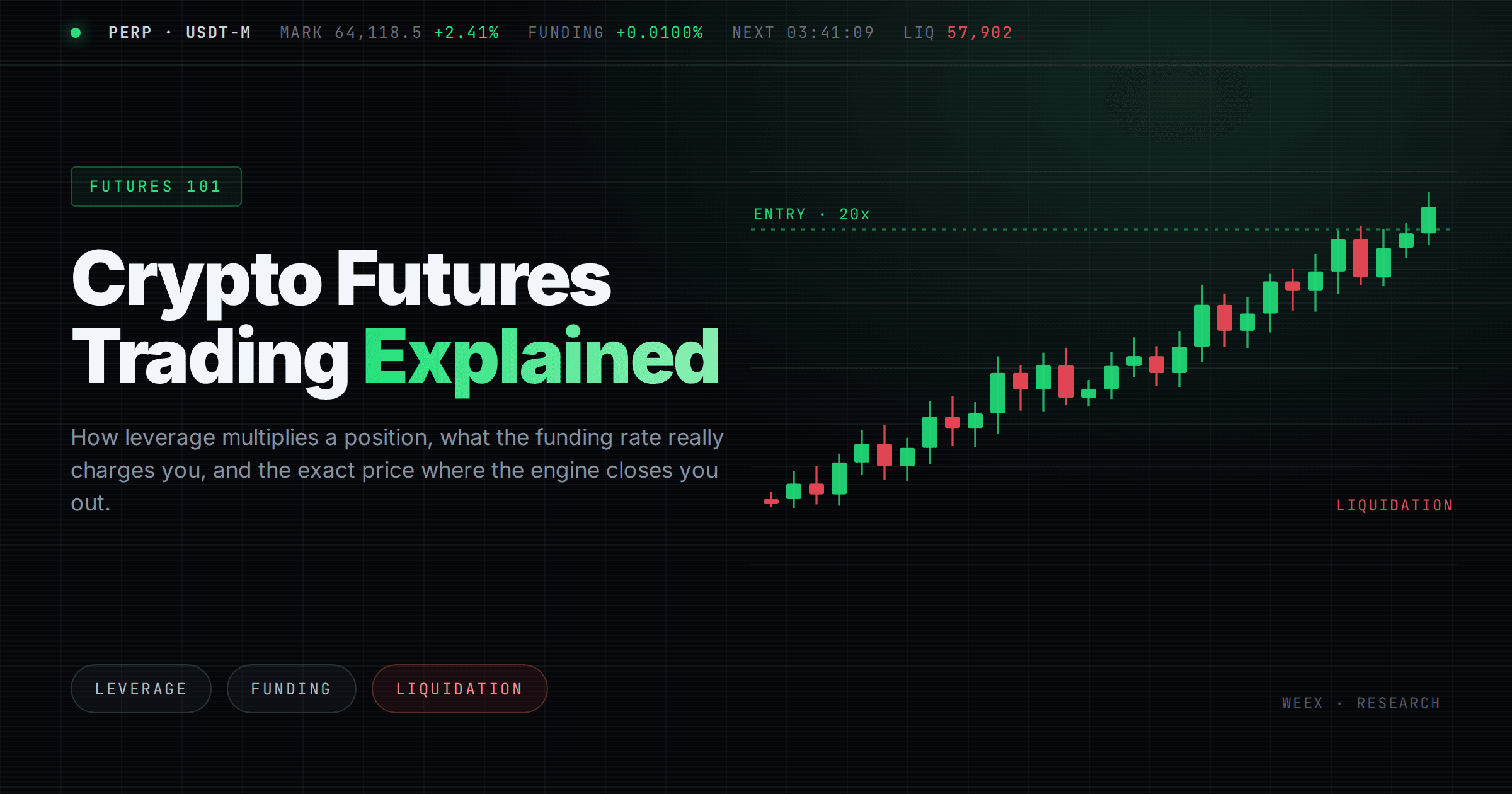
Crypto Futures Trading Explained: Leverage, Funding, Liquidation
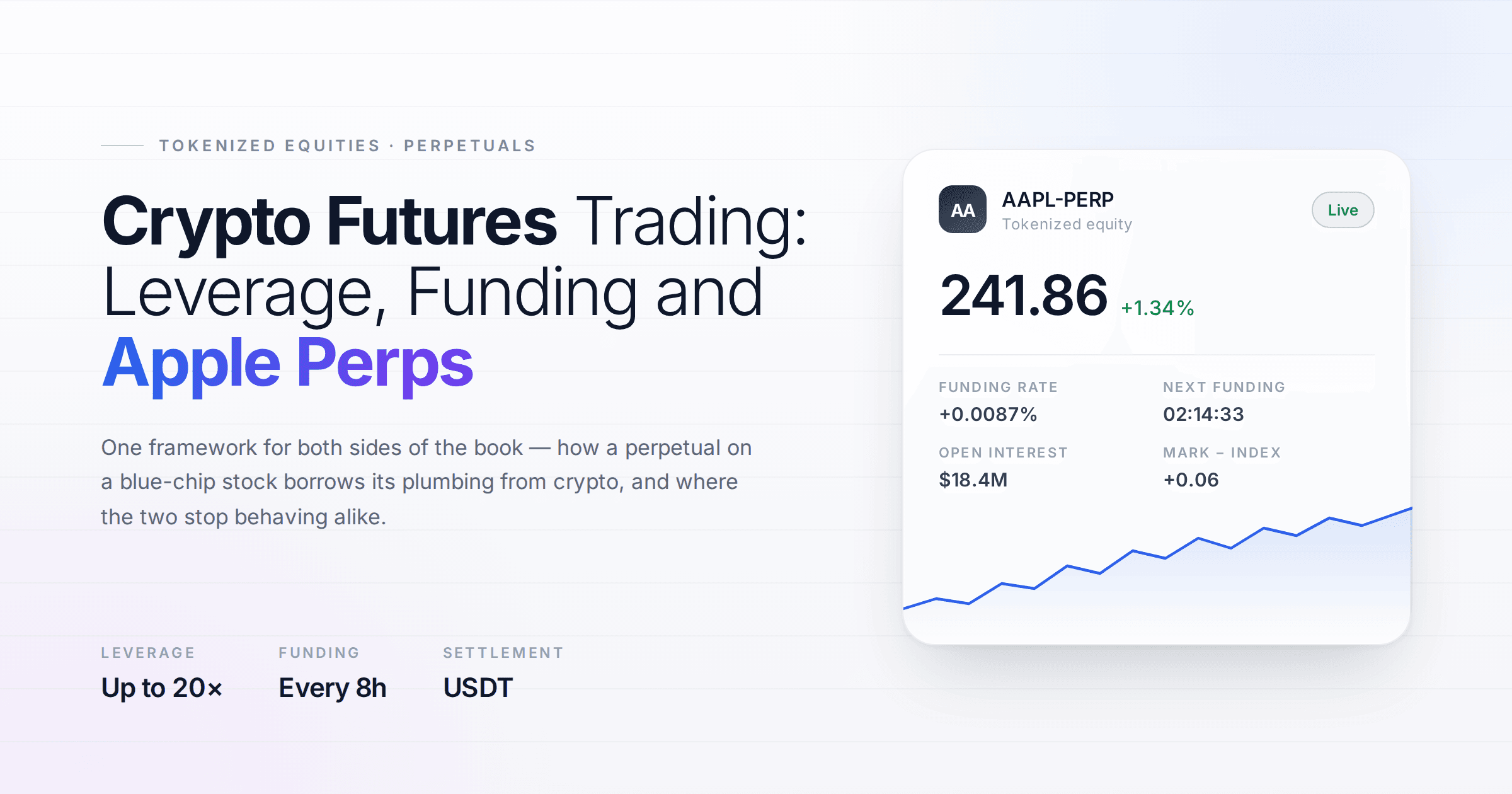
Crypto Futures Trading: Leverage, Funding and Apple Perps
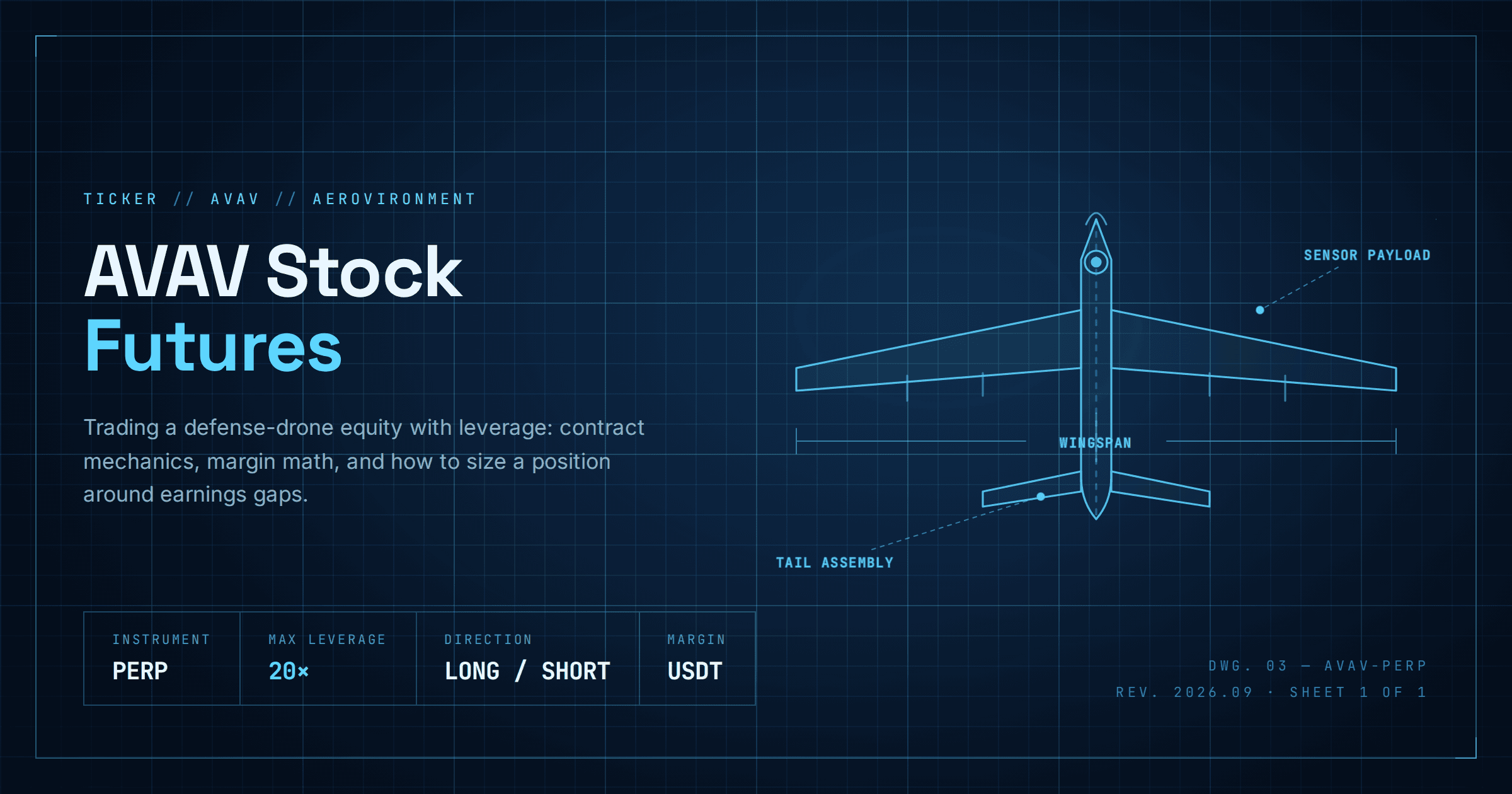
AVAV Stock Futures: How to Trade AeroVironment With Leverage
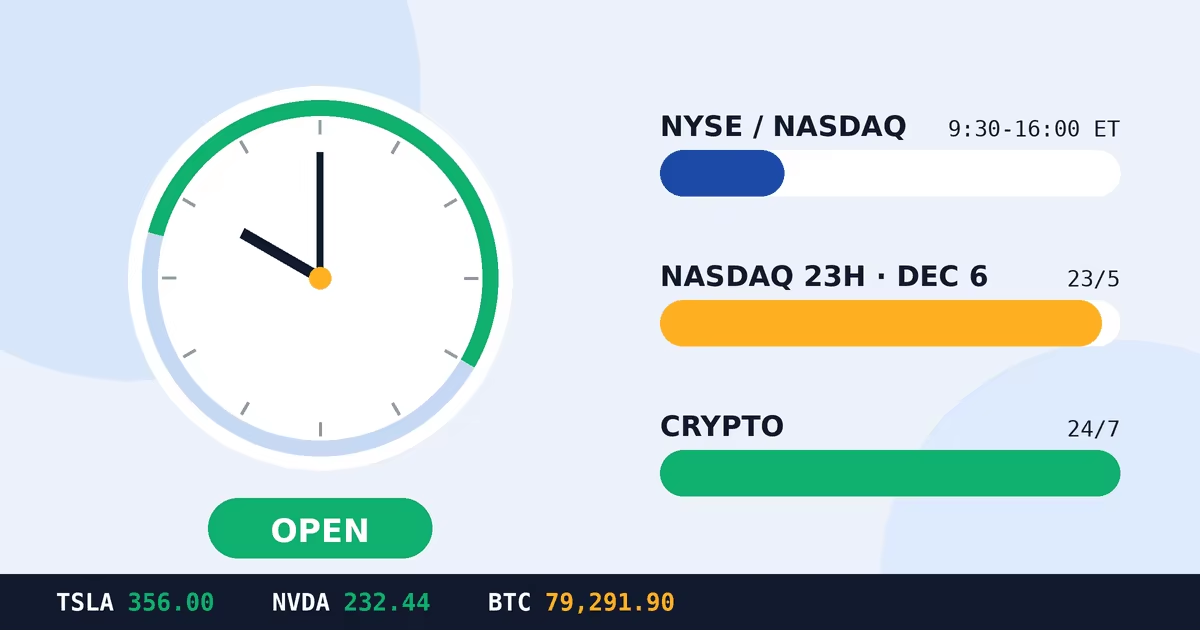
Is the US Stock Market Open Today? Hours and 2026 Holidays

TOKEN2049 Dubai 2026 Postponed: Singapore or Dubai 2027?
Crypto Events Singapore 2026: Is TOKEN2049 Worth Attending?
Top Crypto Events in 2026: TOKEN2049 Singapore Guide
Federal Reserve Warning on Stock Valuations: Crypto's Real Risk
Stock Tokens vs ETFs: Key Differences Beginners Should Know
CLARITY Act Enters a Critical Window: What the September 15 Senate Vote Actually Means
How to Use an AI Agent for Trading in the WEEX AI Wars II Hackathon
What Is the WEEX AI Wars II Hackathon? AI vs Human Trading Explained

MetaMask Seed Phrase & Private Key Security Guide
ARK Invest Crypto Stocks vs ARKB: How Cathie Wood Gets Crypto Exposure
Which ARK ETFs Hold Coinbase Stock? COIN Exposure in ARKK, ARKW and ARKF

How Much Coinbase Stock Does Cathie Wood Own? ARK’s COIN Position Explained
Why Is Cathie Wood’s ARK Invest Buying Coinbase, Circle, BitMine and Bullish?
"We're Back": Why Strategy's Return to Bitcoin Buying Is Moving More Than Just MSTR Stock
Why Did the CLARITY Act Fail in the Senate, and What Happens Next for Crypto Regulation?
BTCB2 and XBT: Why Exchange Notation Can Mislead
Stonkfly Fruit-Fly Brain Bitcoin Experiment: What It Shows and Does Not Prove
What the LUSD Attack Shows About DeFi Risk
How to Read a Bitcoin Short-Liquidation Map
Is WEEX Legal in Taiwan? FSC VASP Rules and the Public Register


