
Solana launches private AI tools with on-chain hardware checks

 Prefer us on Google


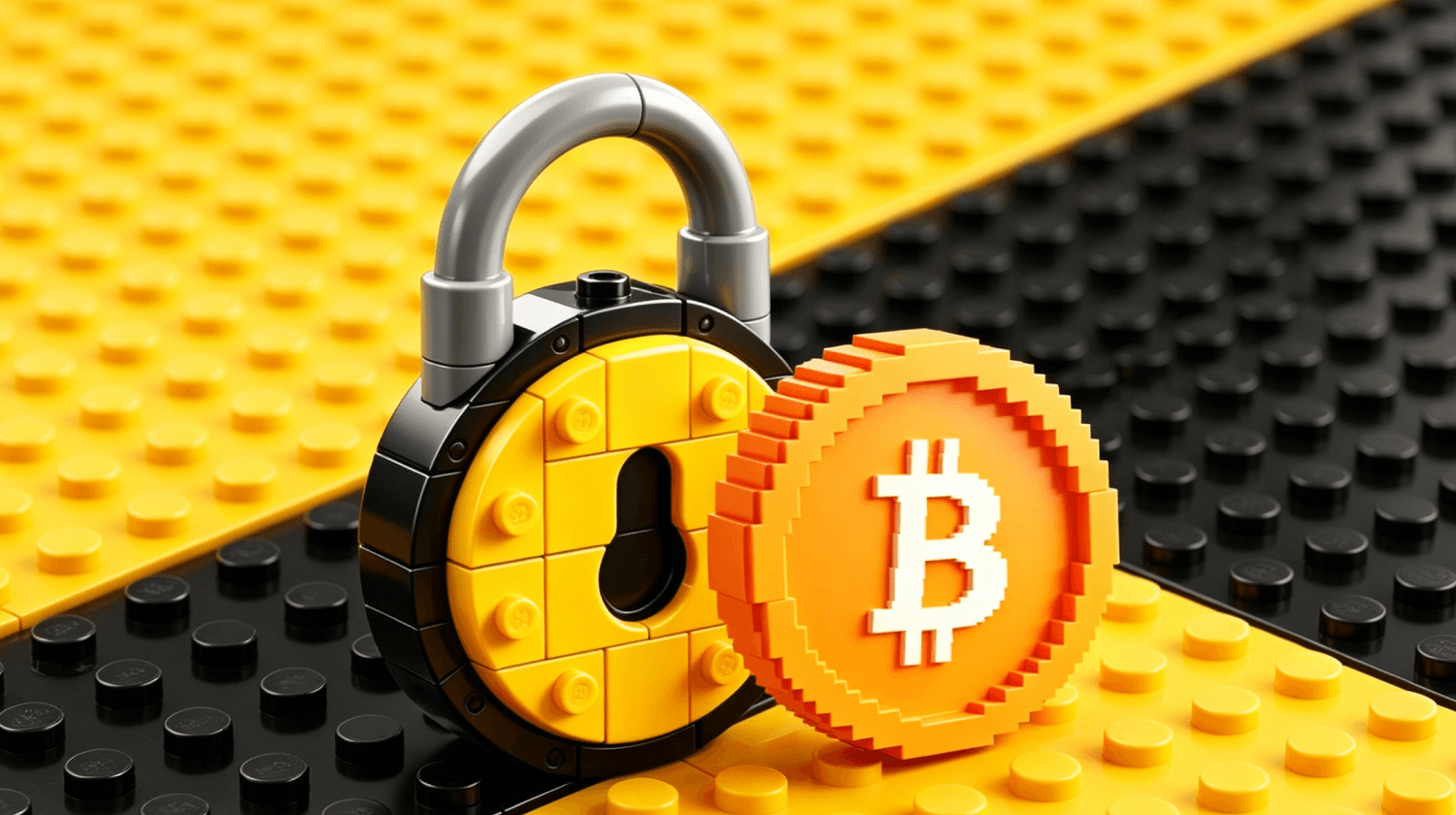
The Solana Foundation has introduced Solana Confidential Compute, an open-source toolkit built with Nito that lets developers create private AI applications and verify their computing hardware on Solana.
Summary
- The toolkit is in beta on Solana devnet, with a mainnet release planned.
- Intel TDX and AMD SEV-SNP attestations are supported; NVIDIA GPU verification remains in development.
- AI processing takes place off-chain, while applications can inspect hardware-verification records on Solana.
- The tools remain unaudited and are currently intended for developers building and testing applications.
The Solana Foundation's Nov. 13 announcement describes a software development kit and an on-chain verification program developed by Nito in coordination with the Foundation. Nito is incorporating the infrastructure into its private AI platform, while other teams can use the same open-source components.
"Private AI, verified onchain," the Foundation wrote on X, introducing tools for applications that handle personal conversations, sensitive business information, and private trading strategies.
The beta supports hardware attestations from Intel TDX and AMD SEV-SNP, with NVIDIA GPU attestation still being developed. In the same thread, the Foundation described the release as unaudited and intended for development. The announcement says a mainnet version is coming, without giving a release date.
Solana Confidential Compute checks the hardware behind AI
According to the Foundation, confidential computing protects information while a machine processes it. The system uses trusted execution environments, or TEEs, which isolate code and data from the surrounding infrastructure, including the host operating system and its operator.
Inside a confidential virtual machine, the software generates a signing key that remains within the protected hardware. A hardware-signed report links the key to a recent Solana slot, and the verification program checks the report before recording the key, hardware type, and expiration date.
When the machine produces an answer, it signs the output with that key. An application receiving the answer can check its signature and consult the corresponding record on Solana before accepting it.
The Foundation says the AI computation happens off-chain. Publishing the verification record does not require publishing a user's conversation or private inputs.
Private chat encrypts prompts before they leave the browser
Solana's chat template provides a developer example using Next.js and React. Its documentation says the browser verifies the confidential environment before encrypting a message to its key. Failed verification prevents the prompt from being sent.
Encrypted messages pass through the application's server and Nito to the protected environment, where the model reads the prompt and generates a response. The reply is encrypted before returning to the browser. Neither intermediary can read the message contents under the documented design.
Privacy has specific limits. The template documentation says the application server can see a visitor's IP address, while Nito can see the account, model, request timing, and encrypted message size.
Developers still rely on the webpage code they serve, the hardware manufacturer's attestation, and the published software running inside the environment. Verification identifies a published software release; it does not establish that the release contains no bugs.
The example requires a funded Nito account and API key. Authentication, rate limiting, and bot protection are left for developers to implement.
Developers can build agents around verified outputs
In its X thread, the Foundation described personal assistants, agents working with confidential business data, and private trading strategies as potential applications. It said developers could check a signing key's attestation status before accepting signed results.
The launch announcement lists further possibilities, including AI rulings for prediction markets or insurance claims, trading orders accepted only from verified machines, and AI governance decisions.
Solana had outlined related developer priorities on Nov. 9. As crypto.news previously reported, its 11 startup ideas included an open AI inference marketplace where users could verify which model handled a request and track provider performance.
A separate proposal called for a wallet-based financial assistant that understands holdings and previous decisions, with explicit user approval before executing actions.
-- Price
Solana privacy products cover payments and token allocations
Helius launched Solana Privacy Rings on Nov. 10, offering encrypted balances and confidential transfers on mainnet. The initial permissionless ring hides assets and amounts while leaving sender and recipient addresses visible.
Earlier, Umbra and Streamflow introduced confidential token vesting on May 26. The integration encrypts allocation amounts, recipient addresses, and unlock schedules using Arcium's encrypted computing infrastructure.
In the United States, SEC Chairman Paul Atkins discussed financial privacy in December 2025 remarks. Speaking in a personal capacity, he said zero-knowledge proofs and selective disclosure could help users demonstrate compliance without revealing their entire financial history.
This content is provided for general informational purposes only and doesn't constitute financial, investment, legal, or tax advice. Any events, rewards, online promotions, or related information mentioned herein should not be considered a recommendation, solicitation, or invitation to purchase, sell, trade, or otherwise deal in any crypto assets. Crypto assets are highly volatile and may result in loss. The availability of WEEX services, products, and related events may vary by region. You are responsible for ensuring that your participation is in accordance with applicable local laws and regulations.
You may also like

On-Chain Privacy Applications Enter Development Window: 7 New Products Lowering Usage Barriers
Manufacturers Launch Series Production of Gereon Unmanned Systems for Ukraine
UPBIT lists Arcium (ARX) and supports KRW, BTC, USDT trading
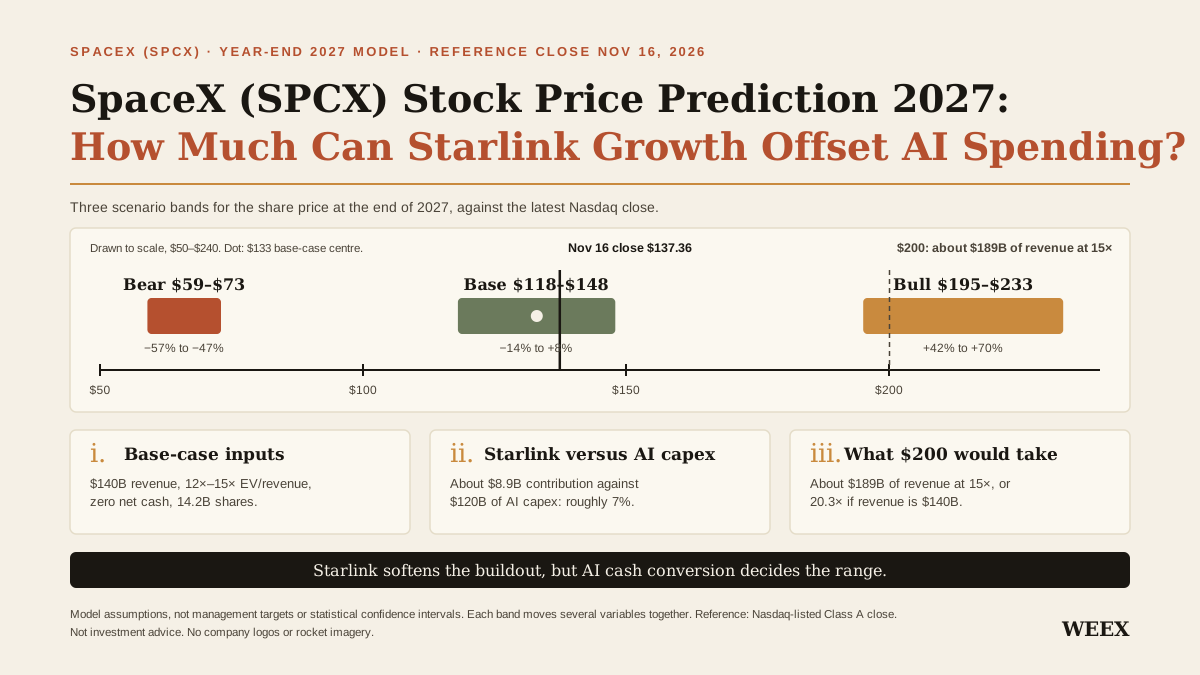
SpaceX (SPCX) Stock Price Prediction 2027: How Much Can Starlink Growth Offset AI Spending?
SpaceX stock price prediction for 2027: See the $118–$148 base case, how much Starlink could offset AI spending, and what it would take to reach $200.

Chevron Expands in the Gulf of Mexico with Plans to Acquire Majority Stake in Oil Field for Over $5 Billion
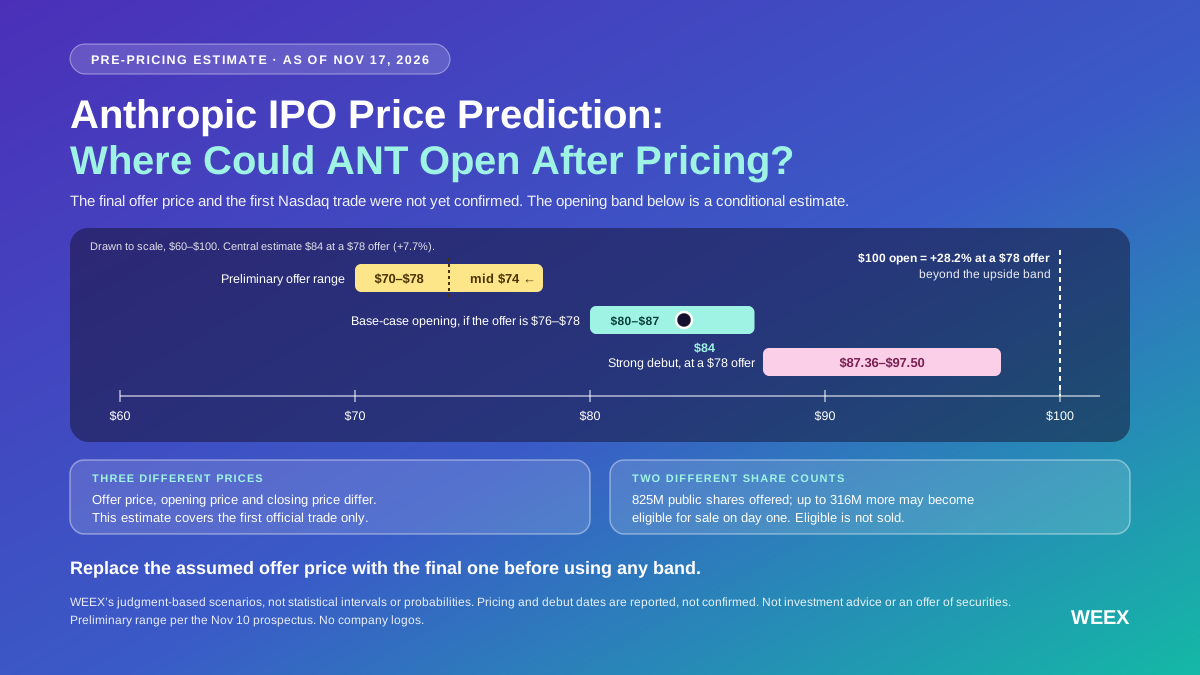
Anthropic IPO Price Prediction: Where Could ANT Open After Pricing?
Anthropic IPO price prediction: See ANT’s $80–$87 base-case opening range, how the final offer price changes it, and what could push shares above $90.

IOSF: The Cost Paradox of Video AI - Why Is Generating Cheaper but Final Cuts Still Expensive?
Will the $50 billion request materialize? The U.S. transportation system urgently needs funding for upgrades, but Congress has become a "lame duck"

Japan Proposes Establishing an 'Asian Version of the International Energy Agency' to Enhance Southeast Asia's Oil Storage Capacity in Response to Energy Crises
Federal Reserve Warns Korean Investors About Leveraged ETF Risks
Mercado Bitcoin Withdrawal Update: Pix Restart and Crypto Suspension
Mercado Bitcoin set November 17 for Pix deposits and withdrawals in Brazilian reais. Read the withdrawal rules and the background to the crypto suspension.
Reasons Why Cryptocurrency Kiosks Face Increasing Regulation
The Q3 Market in Turmoil: How Much is Circle Worth?

A Decade of a Crypto Neutral Fund Manager: A High-Pressure Way of Life

JPMorgan and DBS Enable On-Chain USD Payments! 24-Hour Cross-Border Transfers, Ant International Becomes First Client

XRP holders demand Ripple burn 31.1 billion tokens by March 2027

Major Indexes Close Lower, Nvidia Earnings Are Imminent | WEEX Daily Market Brief (November 17, 2026)
At the November 16 close, the three major indexes all finished lower. Technology-stock selling continued, with the chip sector leading declines. Bitcoin’s weekend selloff showed signs of stop-loss hunting; it is currently around $64,000. Backpack received regulatory approval. On November 17, watch for October retail sales data and earnings from Nvidia, Home Depot, Disney, and JD.com.

Cardano vs Solana: Which Blockchain is Superior?

Surge in Drone Demand Drives Swiss Defense Group to Accelerate U.S. Market Expansion
25 million stolen in 12 seconds: the MEV brothers acquitted

Citi Updates Preferred List of U.S. Software Stocks: Box, Navan, and Roper Technologies Take the Top Three Spots

JPMorgan and MIT Map More Than 150 Requirements for Institutional Blockchains

J.P. Morgan Chief Global Strategist: Tech Stock Trading Enters a Phase of Volatility and Uncertainty, Investors Should Diversify AI Holdings
One Hundred Million Dollars in Floating Profit Goes to Zero: A Contract Trader's Dilemma

Figment to Support Staking Through BNY’s Digital Asset Custody Platform
Crypto: Tether Gold (XAU₮) Receives Unqualified Audit from KPMG

Pony Ma's Internal Speech: The Wave of AI Has Already Hit, Tencent Must 'Transform from Army to Navy' and Get Everyone on Board

Uniswap freezes $300,000 in stranded fees, halting automatic token burns
NVIDIA Employees Warn Board of Potential Loss of "Irreplaceable" Talent

What Are Value Indicators Beyond Money? Considering 'Sweat' (Inside 'So That's Blockchain' Ep.24)
On-Chain Privacy Applications Enter Development Window: 7 New Products Lowering Usage Barriers
Manufacturers Launch Series Production of Gereon Unmanned Systems for Ukraine
UPBIT lists Arcium (ARX) and supports KRW, BTC, USDT trading
SpaceX (SPCX) Stock Price Prediction 2027: How Much Can Starlink Growth Offset AI Spending?
SpaceX stock price prediction for 2027: See the $118–$148 base case, how much Starlink could offset AI spending, and what it would take to reach $200.
Chevron Expands in the Gulf of Mexico with Plans to Acquire Majority Stake in Oil Field for Over $5 Billion
Anthropic IPO Price Prediction: Where Could ANT Open After Pricing?
Anthropic IPO price prediction: See ANT’s $80–$87 base-case opening range, how the final offer price changes it, and what could push shares above $90.
Latest articles


Latest coin listings on WEEX


